Memory Care Communities in Charleston, SC
Our comprehensive listings and ...
authentic reviews in Charleston, SC below include memory care community with 250 reviews. On average in Charleston, residents and their loved ones rate memory care options 4.2 out of 5 stars.
To support you in your search, our Family Advisors are standing by to provide you with a free, no-obligation care and budget consultation.
Filters
Loading...
Reviews of Communities Nearby
Memory Care
Marlene
5.0
Review of Oaks at Charleston
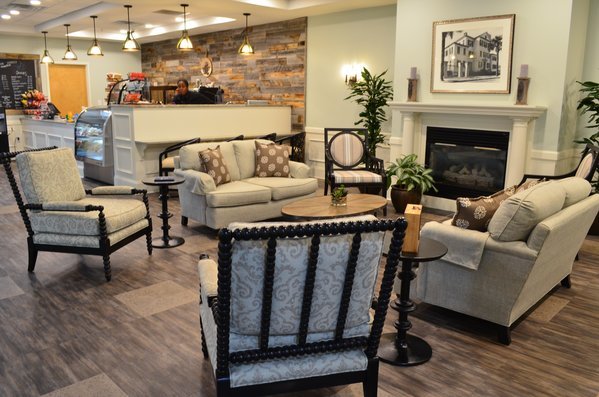
My husband moved to Oaks at Charleston, and the caregivers there are extremely helpful. They look after him like a mother hen. The cleanliness is perfect. It's always neat and nice. The food is...
Memory Care
Pamela
5.0
Review of Oaks at Charleston
The guy who took me on the tour at Oaks at Charleston's memory care did an awesome job. He's very thorough in explaining everything as far as the facility, the food, the nurses, and the...
Provider response
Pamela - Thank you so much for your kind words and detailed feedback! We’re thrilled to hear that your tour at Oaks at Charleston’s memory care made such a positive impression. It’s wonderful to...
Memory Care
Joseph
5.0
Review of Oaks at Charleston
We're pretty sure we're going to be able to get Mom in the Oaks at Charleston. It's super clean and well-furnished, and the people that I have dealt with so far are super nice and very helpful....
Provider response
Joseph - Thank you for taking the time to leave a five star review on our community. We are grateful for your feedback.
What you can do with Caring
The Cost of Memory Care in Nearby Cities
Charleston’s cost for memory care is $416 more than the South Carolina state median. However, it is $694 less than the national median. Hilton Head shares the same monthly median with the nation at $5,625. Seniors can find lower-cost memory care in other areas throughout the state. One location is Columbia, where median monthly costs are $843 less than in Charleston. In Florence, the median is $611 less. In Sumpter, seniors may pay $1,602 less per month than in Charleston.
Charleston
$4,931
South Carolina
$4,515
United States
$5,625
Hilton Head
$5,625
Sumter
$3,329
Columbia
$4,088
Florence
$4,320
Paying for Memory Care in Charleston
Note: Residential memory care is usually offered in assisted living facilities, and in general, memory care rates tend to be 20-30% higher than assisted living rates. No national database currently tracks memory care costs in the United States, so we’ve estimated the monthly memory care costs listed below by adding 25% to the rates listed in Genworth’s 2021 Cost of Care Survey.
In Charleston, the median cost for memory care is $4,931 per month, although the exact amount depends on individual facilities, specific locations and amenities.
Financial Assistance for Memory Care in Charleston
In Charleston there are options for seniors who need financial assistance paying for Memory Care. For more information about other options, who qualifies, and how to apply, visit our Memory Care in South Carolina page.
More Ways to Pay for Memory Care
Seniors in Charleston have several options for paying for dementia care, including Medicaid, Social Security income and long-term care insurance. Additionally, over half a dozen memory care communities in the city accept veterans’ benefits, further promoting access to affordable care for qualified seniors.
- Medicaid: South Carolina’s Medicaid program pays for memory care services through two waivers, including the South Carolina Community Choices Waiver and the Healthy Connections Prime program. These programs help memory care residents pay for personal care services, housekeeping, meals and recreational activities.
- Medicare: Medicare’s coverage doesn’t apply to standard memory care services, which aren’t medically necessary. However, seniors can use their Medicare benefits to pay for third-party home health care services they receive in memory care.
- VA Benefits: Two VA programs provide coverage for memory care services, including Aid and Attendance and Geriatrics and Extended Care. These programs help individuals pay for expenses such as housing, personal care and nonemergency medical transportation.
- Private Payments: Seniors use their income and assets to cover memory care services, including housing, meals, homemaker services and personal care. Some common sources for these payments include Social Security income, retirement savings, annuities, reverse mortgages and long-term care insurance.
The Cost of Other Types of Senior Care
Seniors wishing to stay home can receive in-home or home health care for about $74 more per month than if they resided in a memory care community. Those not requiring memory care may benefit from assisted living, costing about $986 less per month. For seniors who need skilled nursing, a semiprivate room in a nursing home facility costs $2,582 more than memory care. Seniors aging in place who would benefit from daytime services can choose adult day health care at $3,550 less per month than memory care.
Memory Care
$4,931
In-Home Care
$5,005
Home Health Care
$5,005
Adult Day Health Care
$1,381
Assisted Living Facility
$3,945
Nursing Home Facility (semiprivate room)
$7,513
Free Memory Care Resources in Charleston
While resources for financial assistance can assuage a lot of worry about how to afford senior care, other areas of life can be expensive. Seniors may worry about filing wills or other legal forms. They may be dealing with isolation or loneliness, too. This list of resources can assist seniors with many issues.
| Resource | Contact | Service |
|---|---|---|
| Trident Area Agency on Aging | (843) 554-2275 | The Trident Area Agency on Aging can advocate for seniors and refer them to various assistance programs. It can also help seniors apply for benefits such as SNAP and Medicaid. |
| Charleston, SC Vet Center | (843) 789-7000 | Veterans and their families can receive mental health help and other types of free assistance through the Charleston, SC Vet Center. Counseling is available both in person and virtually and in individual and group settings. The center also offers online and over-the-phone crisis hotlines for veterans needing immediate help. |
| South Carolina Long Term Care Ombudsman Program | (843) 554-2280 | Overseen by the Trident Area Agency on Aging in Charleston, the South Carolina Long Term Care Ombudsman Program allows seniors or loved ones to file complaints about the quality of care received in long-term care facilities. The ombudsman then investigates the complaints and serves as an advocate to resolve them. |
| Alzheimer's Association South Carolina Chapter | (800) 272-3900 | The Alzheimer's Association offers information about Alzheimer's disease and related types of dementia. It also offers virtual and in-person support groups as well as a 24/7 helpline that seniors can call when they need someone to talk to. Seniors with early-stage Alzheimer's disease can participate in social engagement programs. |
| Charleston Pro Bono Legal Services | (843) 853-6456 | This program provides low-income individuals, including seniors, with access to free civil legal aid, representation and services. Services provided include assistance with living wills, durable and health care powers of attorney, simple probate and wills. Attorneys can also assist seniors in applying for Social Security benefits and appealing decisions. |
What to Consider About Memory Care in Charleston
In Charleston and the rest of South Carolina, the Bureau of Health Facility Licensing oversees memory care and other senior care and health agencies. It provides information about residents’ rights and accepts reports and complaints to be investigated. It also provides an interactive portal people can use to look up community residential facilities, such as memory care, throughout the state.
Benefits and Drawbacks of Memory Care in Charleston
Benefits
- In a given year, Charleston reports around 23 crimes per 1,000 people. Property and violent offenses occur at lower rates here than in a typical U.S. community. Additionally, when compared only to cities with similar population sizes, Charleston has much less crime than average, providing peace of mind to families with loved ones in local memory care facilities.
- Seniors in Charleston don’t pay state income taxes on their Social Security benefits, and they can claim a deduction of up to $10,000 to reduce their tax payment on other income. This helps many seniors afford memory care payments.
- Charleston has warm temperatures and partly cloudy conditions throughout the year, promoting an active lifestyle for seniors sensitive to cold weather. Daytime temperatures range from around 60 degrees Fahrenheit in the winter to 90 degrees Fahrenheit in the summer, and the city rarely sees measurable snowfall.
- The Charleston region ranks above the state and nation for health outcomes and factors, which indicates access to high-quality medical care for memory care residents. The city has a large provider network with one primary care physician per 810 people compared to 1,490 people statewide, reducing wait times to see health care providers.
Drawbacks
- Charleston residents pay around 5% more on living expenses than the national average, with high housing costs driving memory care pricing. Fortunately, several memory care communities in the city accept Medicaid payments.
Memory Care Laws and Regulations in Charleston
Charleston Memory Care Communities must adhere to the comprehensive set of state laws and regulations that all Memory Care Facilities in South Carolina are required to follow. Visit our Memory Care in South Carolina page for more information about these laws.
Charleston Memory Care Services and Amenities
When comparing memory care communities, many families in Charleston prioritize residences that provide a supportive environment through dementia-informed recreational activities, fitness programs and individualized care. The following list highlights top features to look for in local memory care communities.
- 24-Hour Monitoring: Awake staff members provide around-the-clock monitoring and help with scheduled and unscheduled care.
- Gated Access: Many memory care communities in the region monitor on-site activity with staffed security gates. According to the proprietary Caring.com database, over a dozen local facilities have this feature.
- Individualized Care Plans: Direct care staff develop personalized care plans based on residents’ needs and abilities, providing a balance of independence and help.
- Safety Features: Enhanced security features such as alarm systems and motion sensors provide continuous monitoring to support residents’ safety.
- Multiple Floor Plans: Some memory care communities have several floor plans to choose from, including private and semi-private options.
- Specially Trained Staff: Caregivers complete initial and annual dementia-specific training programs to incorporate the latest techniques in memory loss research.
Reach out to a Caring.com Family Advisor today for one-on-one assistance with comparing local memory care communities and finding the right option for your family’s needs.