Nursing Home Communities in Madison, WI
Our comprehensive listings and ...
authentic reviews in Madison, WI below include nursing home with 151 reviews.
To support you in your search, our Family Advisors are standing by to provide you with a free, no-obligation care and budget consultation.
Filters
Loading...
Reviews of Communities Nearby
Nursing Homes
Sara14
3.0
Review of Oak Park Place Nakoma
The rooms at Oak Park Place Nakoma were very small. My husband was a big man and I don't know how he could fit in that room. The hospital beds were very small. I don't think he could turn over. The...
Nursing Homes
Susan
1.0
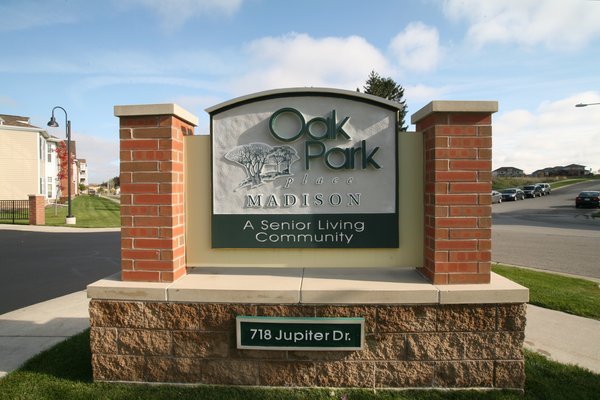
Review of Oak Park Place Madison
If I could give the nursing/ rehab portion a zero, I would. This place is understaffed. Call buttons are not responded to, on two occasions my family member received the wrong medication and had a...
Nursing Homes
Mary
5.0
Review of St Marys Care Center
St Mary's Care Center has a lot of activities. They help seniors write letters to their family. They have a writing club. They have a whole area where you can do puzzles. They have birds. They have...
What you can do with Caring
The Cost of Nursing Home Care in Nearby Cities
While the median cost of nursing home care in Madison is $106 above the statewide figure and $1,034 above the national average, the city is one of the most affordable in its area of the state. On average, seniors in Racine and Milwaukee are paying $487 and $639 more, respectively, while older adults in Janesville are paying an additional $822 a month, among the highest in the state. Fond du Lac is the least expensive city nearby, costing $888 less per month for nursing home care.
Madison
$8,790
Wisconsin
$8,684
The United States
$7,756
Janesville
$9,612
Milwaukee
$9,429
Fond du Lac
$7,902
Racine
$9,277
Nursing Home Costs in Madison, Wisconsin
The average monthly costs for nursing home care in Madison, WI, are $8,790 for a semiprivate room and $9,429 for a private room.
Financial Assistance for Nursing Home Care in Madison, Wisconsin
Many seniors and their families use some form of financial assistance to help them pay for nursing care. The main options available are Medicare, Medicaid, and veterans benefits. These programs can be complicated, especially when it comes to benefit terms. Below, we give a brief overview of how these programs may be used towards paying for skilled nursing care.
- Medicare: Medicare will typically cover all skilled nursing costs for the first 20 days of one’s stay in a nursing home and a portion of the costs until day 100. After 100 days in a skilled nursing facility, Medicare will not cover any part of the cost of the stay. While this is adequate when short-term care is needed, those in need of long-term care will need to either pay out-of-pocket or use another source of financial assistance.
- Medicaid: Medicaid covers most of the costs of living in a skilled nursing facility for those who qualify. Care, room, and board are covered with no time limit, but residents may be charged for extras like specially prepared food or cosmetic services. Medicaid eligibility standards are strict and complex, so not all seniors are eligible for Medicaid benefits.
- Veterans Benefits: Veterans receiving a VA pension may also be eligible for the Aid and Attendance benefit administered by the VA. Aid and Attendance is a monthly allowance that beneficiaries may use to pay for their long-term care, including skilled nursing care.
If these options aren’t available to you, check if your loved one has long-term care insurance or contact your Area Agency on Aging to ask about any local financial assistance programs for seniors.
The Cost of Other Types of Senior Care
The most expensive type of senior care in Madison is nursing home care with a private room followed by nursing home care with semiprivate accommodations. Adult day health care falls on the opposite end of the cost spectrum, with most of the city’s seniors paying around $2,019 a month. The median cost of assisted living is $4,956 a month. Although home health care provides medical services in addition to what’s included with home care, both types of care have the same average cost, $5,339.
Home care
$5,339
Home health care
$5,339
Adult day health care
$2,019
Assisted living
$4,956
Nursing home (semiprivate room)
$8,790
Nursing home (private room)
$9,429
Free Resources for Seniors in Madison, Wisconsin
In addition to programs that can help seniors pay for nursing home care, the following list includes organizations that can help seniors delay nursing home placement with in-home services and advocacy organizations that can help enhance the lives of seniors in long-term care facilities.
| Resource | Contact | Service |
|---|---|---|
| Area Agency on Aging of Dane County | (608) 261-9930 | Working with the local Aging and Disability Resource Center, the A.A.A. of Dane County administers several government-funded programs that cater to the needs of Madison’s aging population. The nutrition and caregiver support programs are beneficial for seniors who haven’t transitioned to a nursing facility yet, while the Elder Benefit Specialist Program may come in handy for seniors seeking free legal assistance or help appealing a denial of Medicare or Medicaid benefits. |
| Dane County Department of Human Services | (608) 255-6067 | The Dane County Department of Human Services is the entry point to various government assistance programs for Madison’s seniors. The office handles enrollment for cash and food assistance programs as well as Wisconsin’s ForwardHealth Medicaid plan, which can directly pay for nursing home expenses. |
| Long-Term Care Ombudsman | (800) 815-0015 | The Long-Term Care Ombudsman offers free assistance to seniors and their families for issues occurring at long-term care facilities, such as complaints about the quality of care or possible elder abuse. Ombudsman can also help answer questions about choosing a nursing home and what financing options are available. |
| NewBridge | (608) 512-0000 | With three locations in Madison, NewBridge is a nonprofit organization dedicated to providing area seniors with the services they need to age independently. From home-delivered meals and homemaker services to in-home care, the organization’s range of programs may enable seniors to save money and put off moving into a nursing home. |