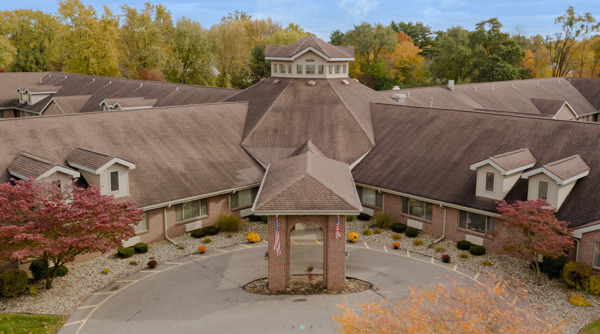
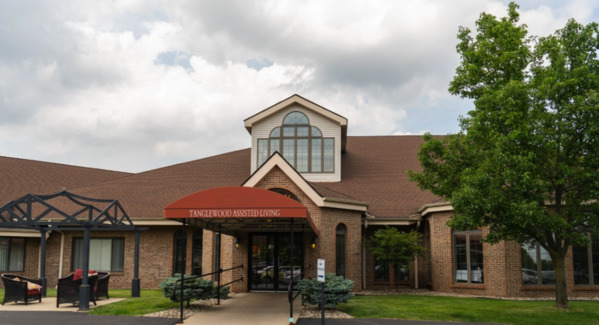
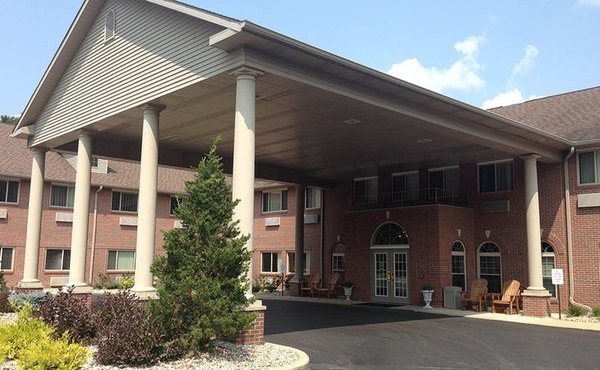
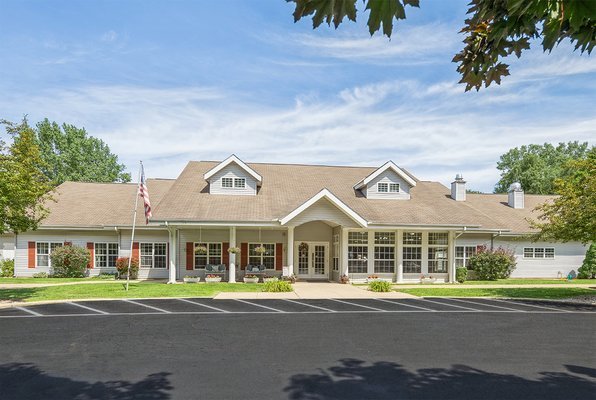
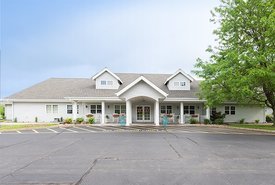
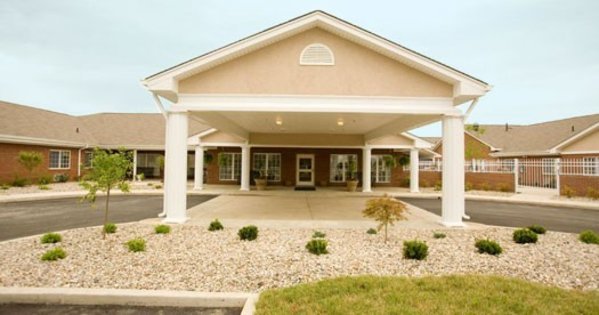
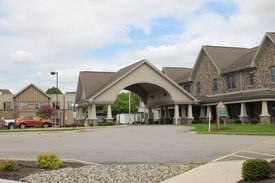
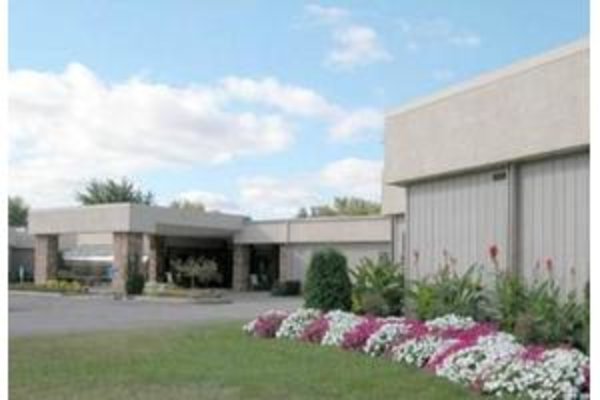
"My father-in-law has moved into StoryPoint Granger. It's absolutely wonderful. He is living in a small apartment there. They're taking care of all of his personal needs that he can't do, but it's allowing him to live as an independent person. Where he is, the people are in dining room, they're in group classes for exercise, and he's got his private therapist. He is just making huge strides taking back over his own life, like writing bills and ordering things. He has assistance where he needs it, and he's becoming an independent 92-year-old young man again.
My father-in-law lived at home until the day of his car accident, and he lived out in the country by himself and took care of himself until that put him down. At the other home, he'd become septic twice with a bladder infection, and we almost lost him. In this facility, there's a 24-hour doctor on call. It's amazing. The people are amazing. There is a Christopher that worked for months to get him in. Also, the manager of the entire facility within two or three days knocked on his door, came in, introduced herself and said, "I'm responsible for this whole facility. If you have problems that aren't being taken care of, I am available." We haven't needed her, but it was just a nice gesture. The other thing that we really noticed is when we first started with them, they sat and spoke to him and they didn't look at us and talk to us, but they were talking to him, which is really important for elderly people that they're not being talked to over. So we are thrilled.
They call it assisted living. My father-in-law wears a safety thing on his neck, so if he wants to go outside or anywhere in the building, and if he wants to go by himself, they can track him anywhere on the grounds. Say, if he goes out in the spring and he's down by the gazebo for some reason, and he takes a tumble, when he pushes it, they know where he's at, and they can get to him. Any time when he pushes it and it lights up, it goes on everybody's computer, and then when somebody does go to him for whatever his need is, it gets canceled. It allows everybody, whether you're sitting, typing in bills or working in an office, you get a flash on your screen that somebody has called for assistance, and when the assistance gets there, the light goes out. They have it covered in and out.
My father-in-law has his own little kitchenette. He is not ready to cook yet, but he's got his refrigerator for his cold drinks, his Gatorade, his cheese and crackers, and that kind of stuff. It is three meals a day. He is able to go to the dining room now. Before, like if he'd be sick on any day, they will bring his meals to him. They have two professional chefs that not too many years ago won awards for their cooking. It's a different term in assisted living. It means you go in and you live your own life. But let's say he has bowel and bladder problems, that's no problem. That's the part that they take care of. The part that he needs to be getting stronger, they take care of that. But he's not in a facility that's like a nursing home facility. He has his door, he has a little living room, he's got a bedroom, his own personal shower, and they have to assist with a shower because he is not quite steady on his feet yet. So it's assisted living with what you can't do for yourself, but you are living your best life in an apartment. It's wonderful. There are just differences because he has a catheter in and in some assisted livings they say, "You can't be independent in an apartment because who's going to take care of you?" And that's not it at all. His key opens up his door, the nurses come in twice at night to check so that if he does need to be changed, he's not going to get an infection or lay there because he can't feel when he goes. At the other facilities, they were not waking him up. Apparently, if they don't smell it when you walk in the room, they don't wake the patient.
It's just entirely different. They treat him as an individual at first because he's lived alone for so long, and he didn't really want to go out of his room and this and that. Well, we noticed that physical therapy said that they wanted him down in the daily classes where people group around in chairs. They call it chair exercise. For some, they get up and use their chair to steady themselves, and the other ones, they sit in their wheelchairs and do the exercises. The therapist has encouraged him, and he's doing that. So, not only does he get private therapy a couple of days a week, but he also goes down in a group where there's other men and women getting stronger, too. So, he doesn't have as much time to sit in the room and be down about what's going on in his life because he's got three meals out sitting with men and he's going down to those therapy classes. We found out the other day he took himself for a walk in his wheelchair, went all around the building inside, just looking around, and he hadn't done that before. He now realizes because he's feeling better that, "I'm not locked in a room. I'm not where everybody's telling me what to do. I can get out and go anywhere I want." It's tremendous. It's expensive, but not really any more so than if he was stuck in a room with another person in there that has dementia and leaves the TV on all night for noise, and that's what that person needs. My father-in-law is not in that capacity. He reads and writes and sits on the computer, but if you have a roommate like that, that's moaning and groaning all night and you can't sleep, then he can't get on with his life either. The other person is just as important with the dementia, and he deserves to have his TV on all night and that kind of thing, but it wasn't the right roommate for our dad.
He is living independently, but he gets the help he needs, and as he takes over his own medicines and these different things, then his bill will actually go down. You're going with one price based on your care, but then it changes. The other thing that is good, too, if he takes a turn for the worse for whatever reason -- because he's 92 -- they will do hospice there. So we would not have to move him from his apartment. He's made the transition there, he knows the people, and if that should be necessary, he can stay there and be treated, which is really important on an elderly person to not keep moving them."