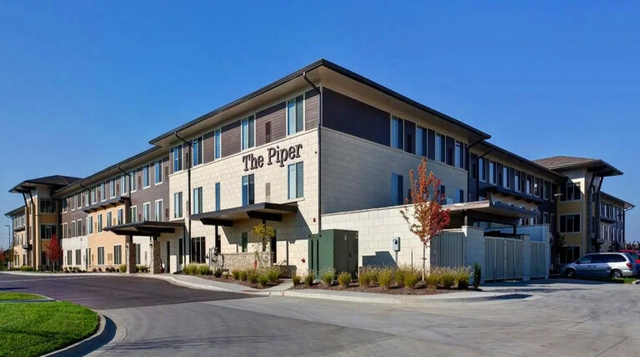
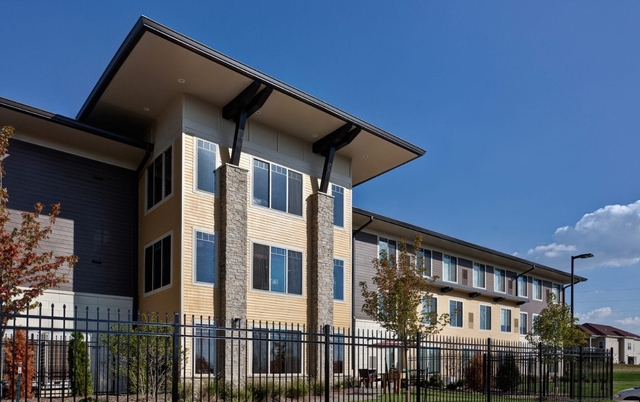
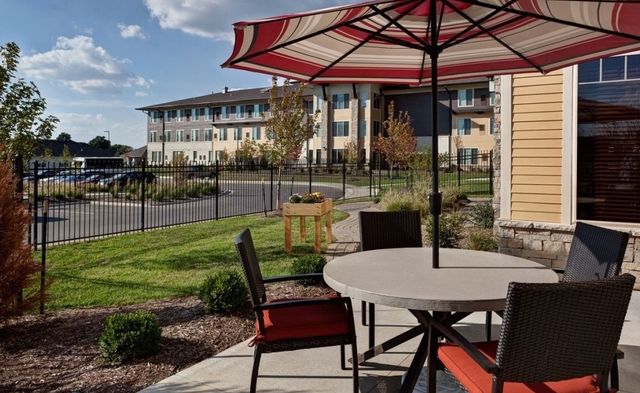
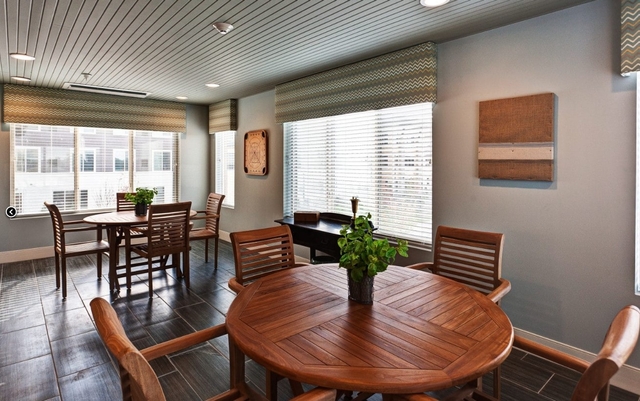
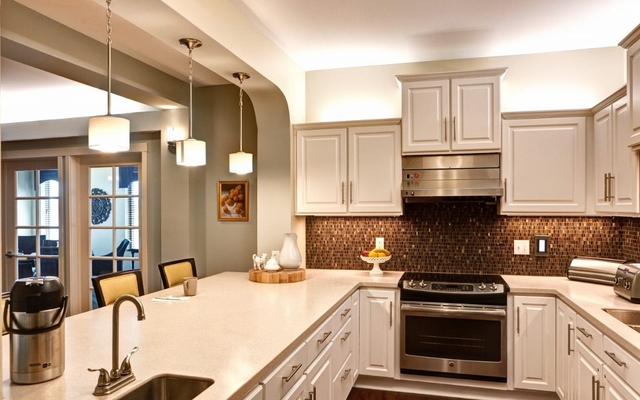
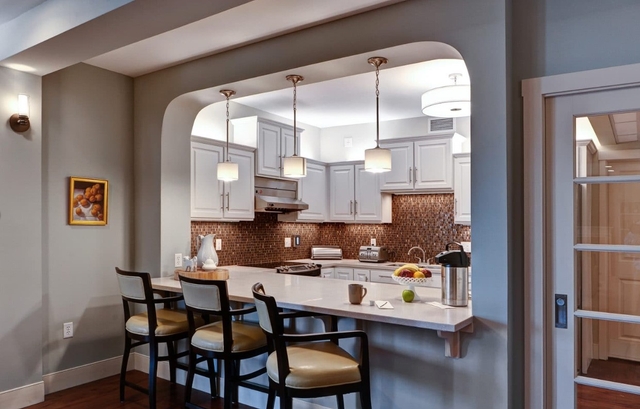
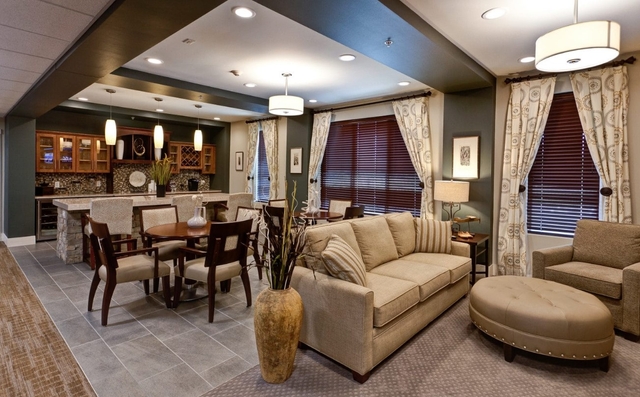
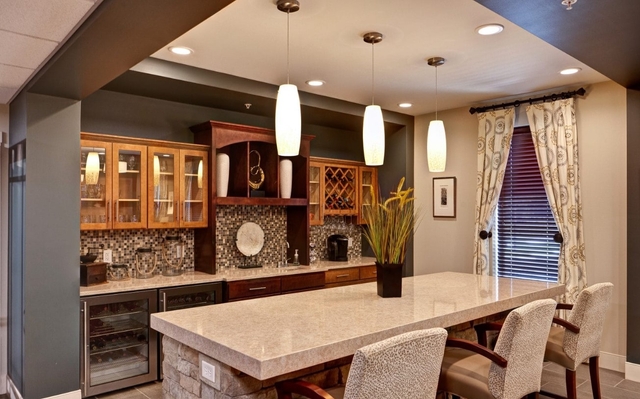
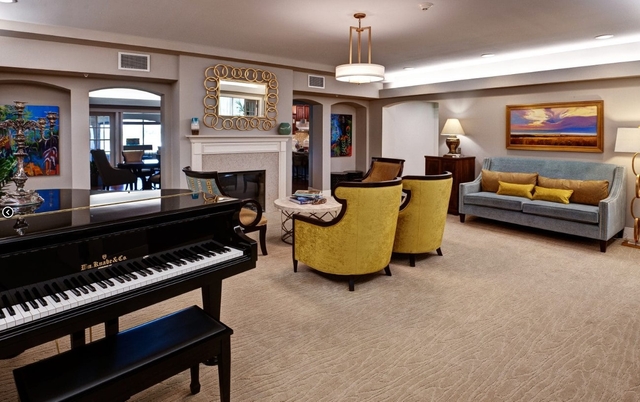
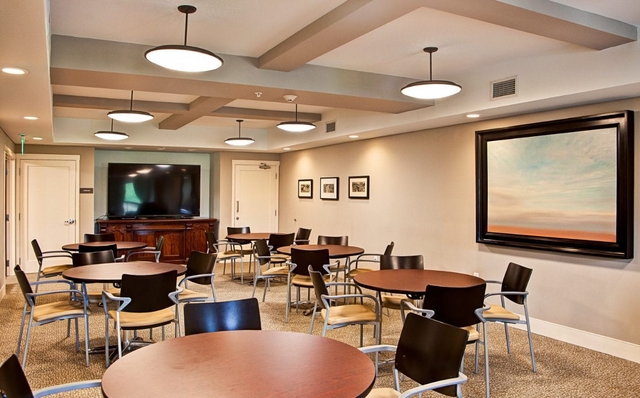
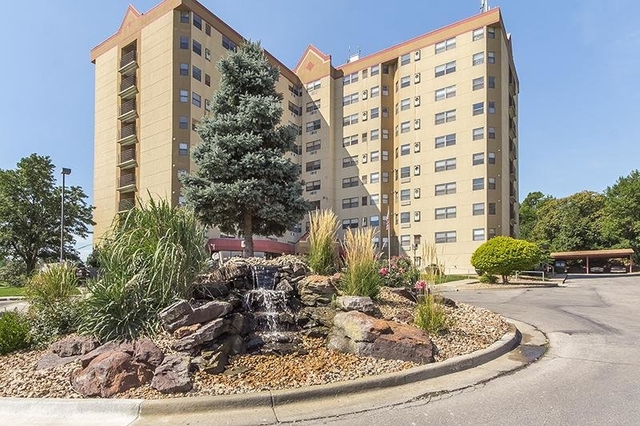
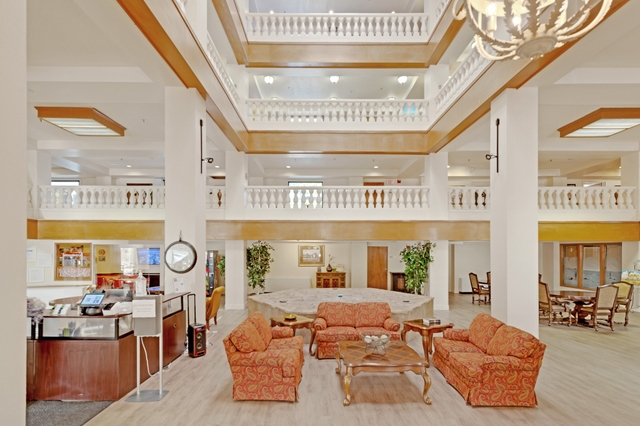
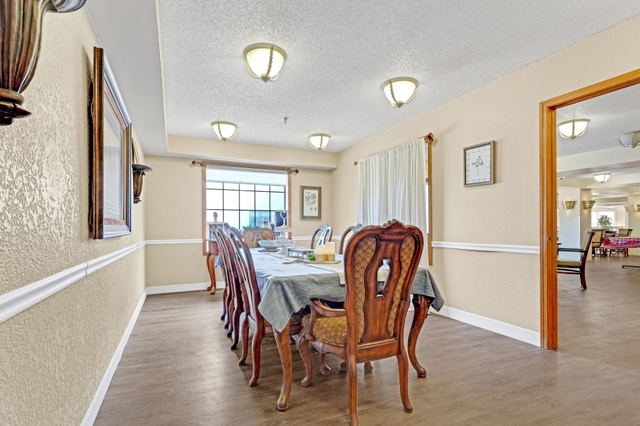
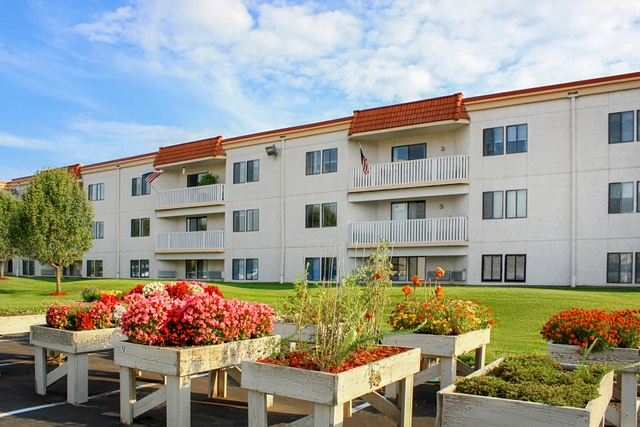
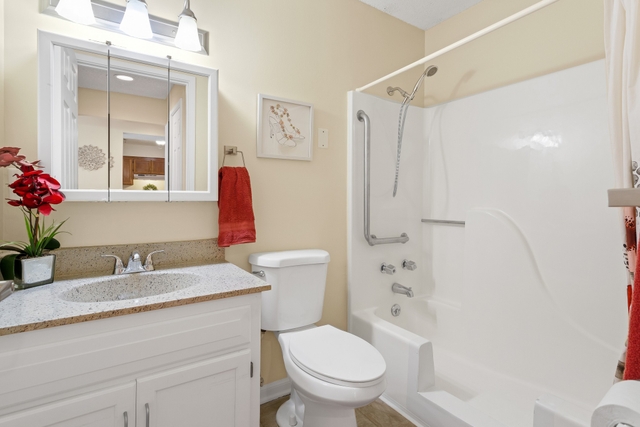
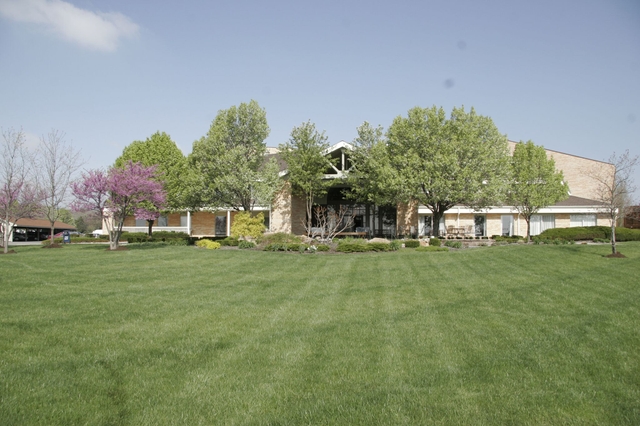
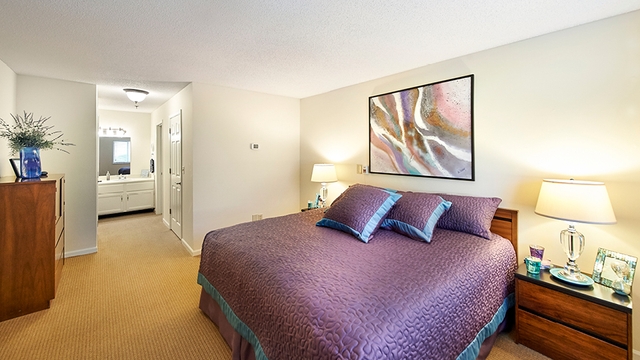
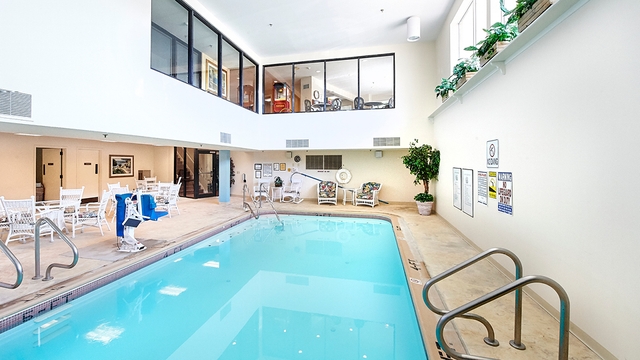
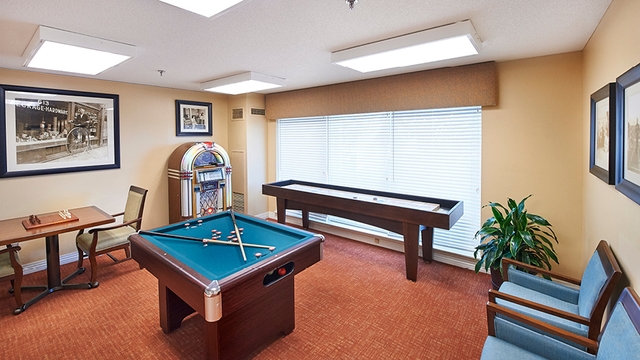
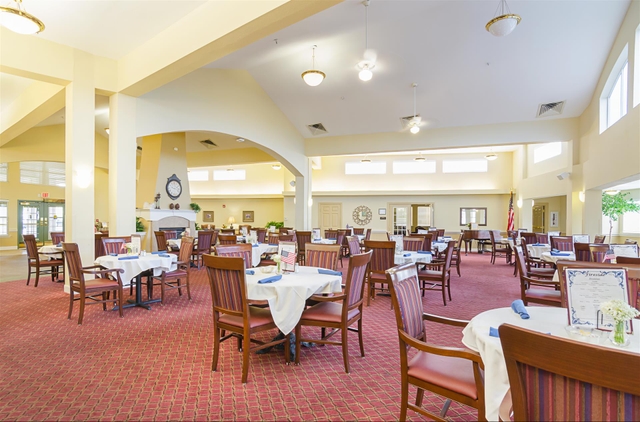
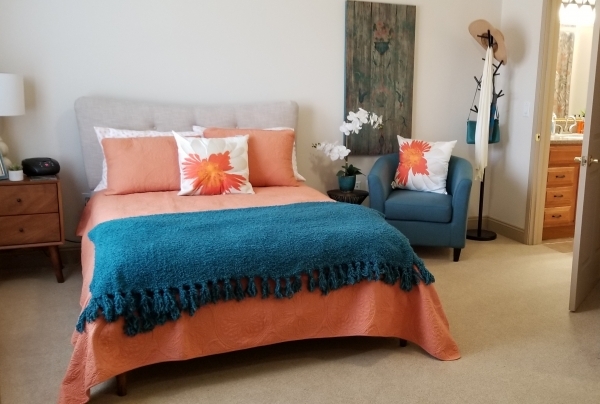
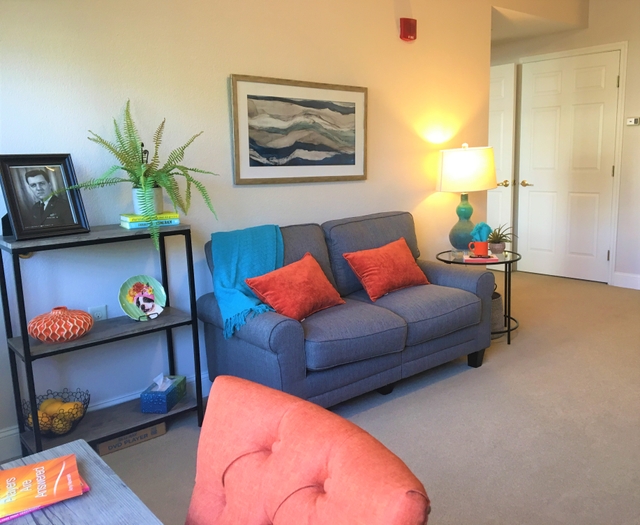
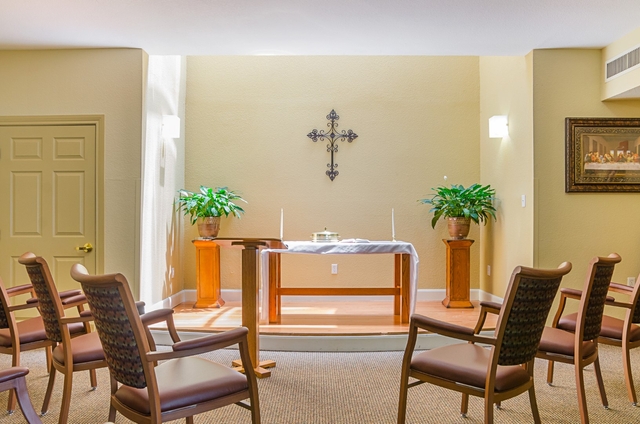
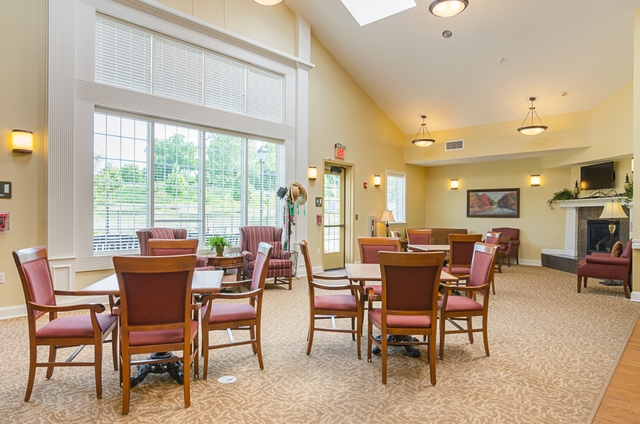
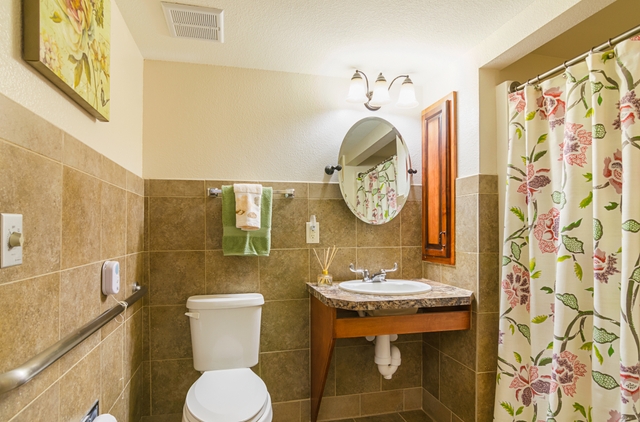
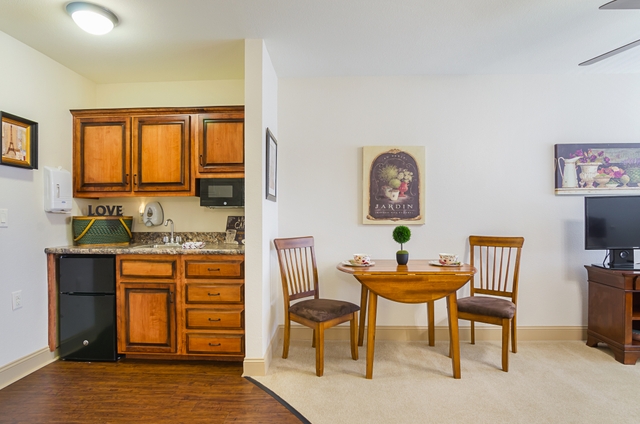
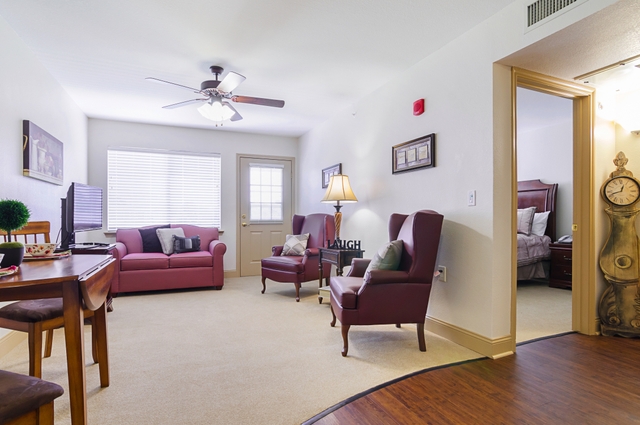
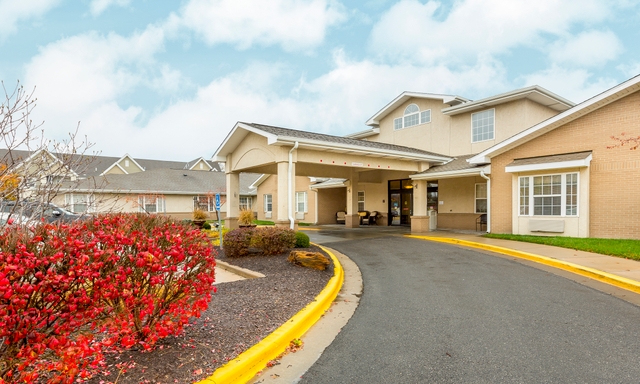
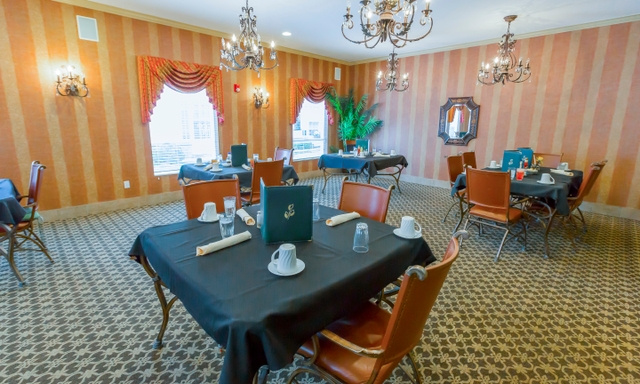
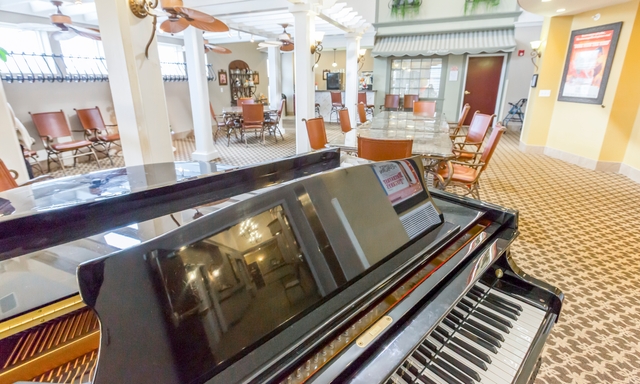
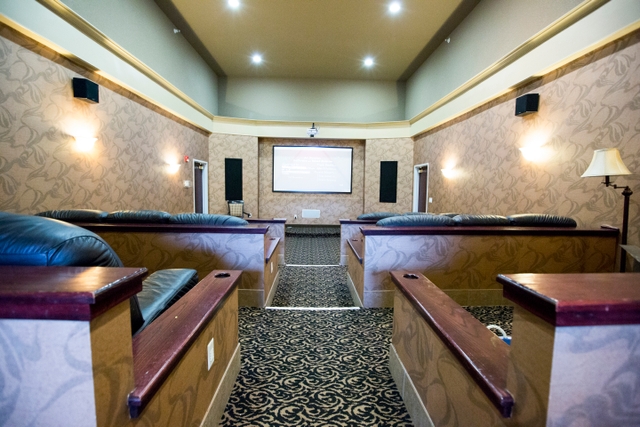
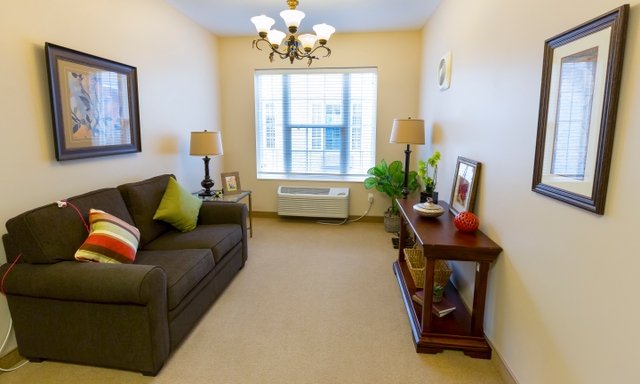
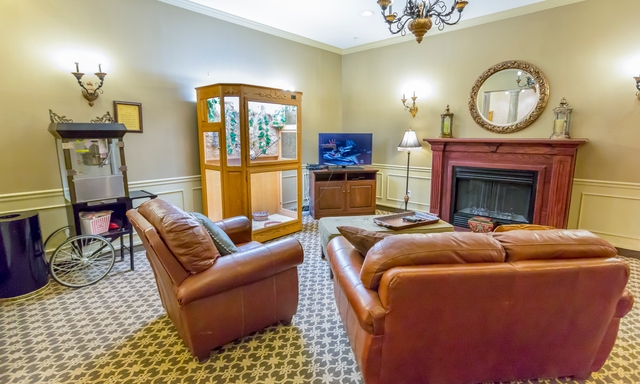
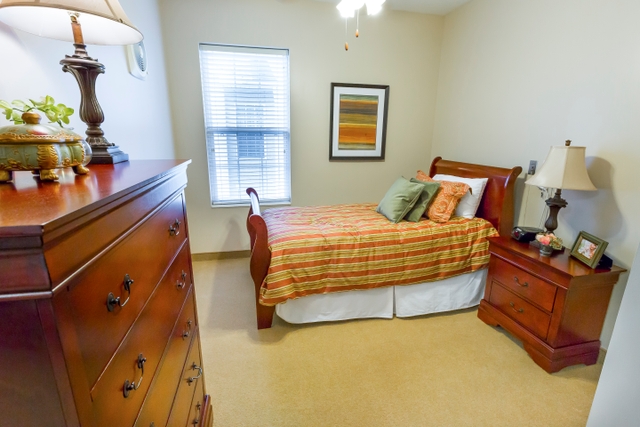
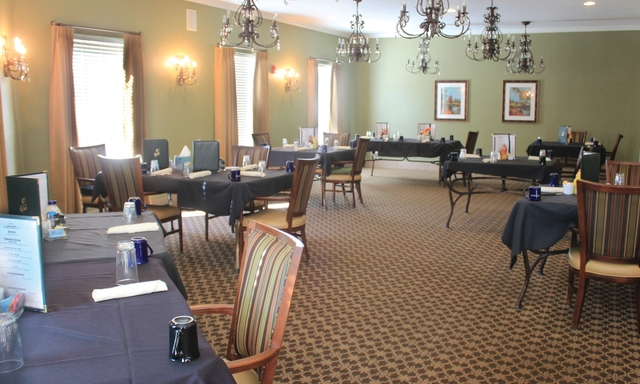
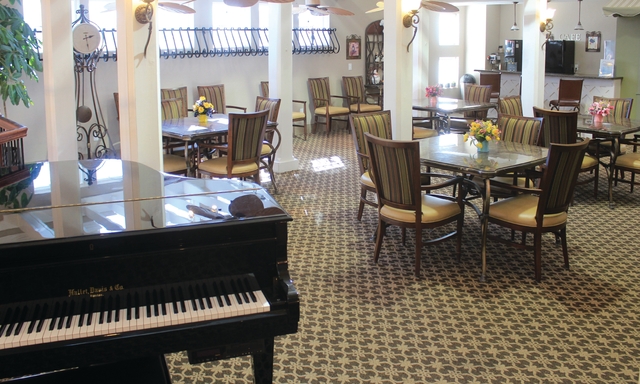
We found 38 assisted living facilities near Kansas City, MO. Read reviews, check ratings and pricing, get contact information, and learn about senior living options, amenities, and events offered by browsing the Kansas City assisted living providers listed below.
-
Sponsored Result
Sweet Life ShawneeShawnee, KS 66203"The Sweet Life Shawnee facility is specifically geared toward Alzheimer's and Dementia patients. ..." moreSponsored Result
Sweet Life RosehillShawnee, KS 66216"I visited my grandmother at this wonderful establishment in Shawnee Kansas. The first thing you ..." moreSponsored Result
Freedom Pointe Overland ParkOverland Park, KS 66212"I placed my father at Freedom Point. This is a wonderful property it is very clean, bright, chee..." moreSponsored Result
Park Meadows Senior LivingOverland Park, KS 66207"Park Meadows is a really wonderful place. The staff is very friendly and inviting. The other pati..." moreSponsored Result
Clare Bridge of LeawoodLeawood, KS 66209"The Clare Bridge of Leawood facility is specifically geared toward Alzheimer’s and Dementia patie..." moreSponsored Result
Sweet Life at Brookdale Place Overlan...Overland Park, KS 66204"The fact that I live in another state presents a myriad of stressors when it comes to making sure..." more -
Wexford PlaceKansas City, MO 64151"At Wexford Place, we share a common goal with every family who walks through our" more
CaringScore
CaringScore for Kansas City, MO
CaringScore was designed to help millions of Americans find the best places to retire, age in place, or receive eldercare. The CaringScore for assisted living facilities in Kansas City was based on more than 50 factors in three key categories: health, cost, and livability. By compiling and analyzing this data, Caring.com is able to rate the quality of life you or a loved one might expect should you choose assisted living facilities in Kansas City.
A CaringScore can range from 1 (worst) to 10 (best), and provides a quick way to compare cities, counties, and even specific zip codes. With a CaringScore of 5.1, Kansas City is on par with the national average for those seeking assisted living facilities.
The charts below highlight a few of the factors we used to calculate the CaringScore for Kansas City. Choose a category score to learn more.
HealthScore for Kansas City, MO
HealthScore, a component of the overall CaringScore for assisted living facilities in Kansas City, rates a region on a scale of 1 (less healthful) to 10 (more healthful). It's specifically tailored to anyone looking for assisted living facilities. The HealthScore for Kansas City is based on the availability of healthcare resources, air and water quality, the overall health of the local population, and other key factors. With a HealthScore of 4.8, Kansas City is on par with the national average for those seeking assisted living facilities.
Easy access to physicians -- especially geriatricians and other key specialists -- is important to older adults seeking assisted living facilities. At 209.7 physicians per capita, Kansas City closely matches the national average. Kansas City scores about average in geriatricians per capita, with 1.6, and closely matches the national average in specialists per capita, with 20.8. These medical specialists include cardiologists, oncologists, and orthopedists. The average life expectancy from birth in Kansas City is 76.3 years -- 2.1 percent lower than most of the country. Air quality in Kansas City -- one factor in gauging the healthfulness of a region -- is 44.6 percent below average, and water quality -- another key measure of Kansas City's environmental health -- trails the national average by 63.6 percent.
| Doctors Per Capita | Kansas City, MO | Nat'l Avg |
|---|---|---|
| Physicians | 209.7 | 220.5 |
| Geriatricians | 1.6 | 1.3 |
| Cardiologists | 10.7 | 7.7 |
| Oncologists | 3.7 | 3.5 |
| Orthopedists | 4.7 | 7 |
CostScore for Kansas City, MO
CostScore, part of the overall CaringScore for assisted living facilities in Kansas City, rates the cost of living for older adults on a scale of 1 (more expensive) to 10 (less expensive). It's specifically tailored to people looking for assisted living facilities. The CostScore for Kansas City is based on data such as the average monthly cost of assisted living facilities in the region, cost of living indices such as housing and healthcare, regional tax rates, and other key factors. With a CostScore of 6.5, the costs associated with assisted living facilities in Kansas City are generally less expensive than the national average.
The average monthly cost for assisted living facilities in Kansas City is $2,805 , which is 14.0 percent less expensive than the rest of the country. Overall, the cost of living for Kansas City indexes at 7.0 percent lower than the national average. Average healthcare costs are 4.0 percent cheaper than the national average, and the cost of housing is 27.0 percent less expensive than average.
| Cost of Living | Kansas City, MO |
|---|---|
| Aggregate Index | 93 |
| Healthcare Index | 96 |
| Housing Index | 73 |
| Food Index | 96 |
| Utilities Index | 108 |
| Transportation Index | 97 |
LivabilityScore for Kansas City, MO
LivabilityScore makes up part of the overall CaringScore for assisted living facilities in Kansas City. On a scale of 1 (less livable) to 10 (more livable), it's a rating of the quality of life in a region, specifically tailored to those looking for assisted living facilities. The LivabilityScore for Kansas City is based on weather, crime rates, economic factors, average age of the population, and other key demographics. With a LivabilityScore of 3.5, Kansas City rates below average for assisted living facilities.
Weather is an important factor in choosing the best place for assisted living facilities. The sun shines an average of 215 days each year in Kansas City, 4.9 percent more sunny days than the rest of the U.S. sees. With an average temperature of 21°F in January, winters in Kansas City tend to be similar to other parts of the country, and summers are often hotter than other places, averaging 90°F in July.
Local crime rates are another important indicator. The violent crime rate in Kansas City is 75.0 percent higher than the national average, and the property crime rate is 50.0 percent higher than average. At $44,848 per year, the population of Kansas City earns a lower than average median household income. Kansas City has an unemployment rate of 9.60 percent, roughly equal to the national average. And about 11.74 percent of the population in Kansas City is of retirement age -- 65 or older -- which trails the national average by 10.8 percent.
| Amenities Per Capita | Kansas City | Nat'l Avg |
|---|---|---|
| Parks | 7.2 | 136.1 |
| Libraries | 3.9 | 18.8 |
| Places of Worship | 87.2 | 220.5 |
| Public Transit | 130.1 | 110.4 |
| Grocery Stores | 82.1 | 97.7 |
| Pharmacies | 14.5 | 13.8 |
Find Assisted Living Facilities Nearby
More Information About Assisted Living Facilities
-
Caring Checklist: Evaluating an Assisted-Living Facility for Someone With Alzheimer's
Article - Choosing an assisted-living facility for someone with Alzheimer's can seem overwhelming. This checklist will help you ask the right questions. - Choosing an assisted-living facility for someone with Alzheimer's can seem overwhelming. This checklist will help you ask the right questions. -
The Adult Diaper Wars: A Call to Arms!
Blog Post - A Canadian government official's threat to wear diapers triggers open talk of how to keep seniors who wear diapers comfortable and healthy. - A Canadian government official's threat to wear diapers triggers open talk of how to keep seniors who wear diapers comfortable and healthy. -
Is it time to consider assisted living for my elderly mother?
Question - ...as numerous medical problems including anxiety disorder. She is fine when feeling well, but uncontrollable when falls ill. Is it time for assisted living? -
Dementia Patients Seem to Benefit From Small Group Homes
News - FRIDAY, Sept. 16 (HealthDay News) -- People with dementia appear to be better off in small group homes rather than large nursing homes because they offer a domestic environment where patients can live as individuals, new research suggests.