Nursing Homes in Allegheny County, Pennsylvania

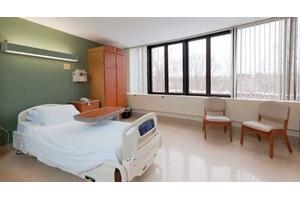
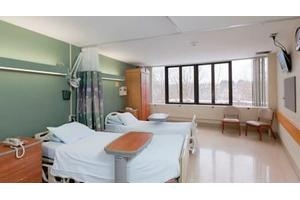
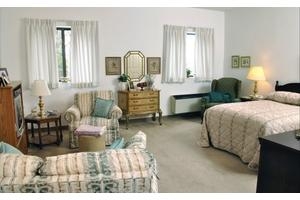
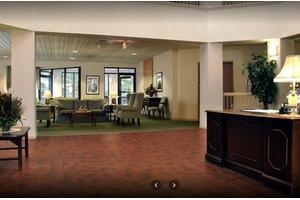
We found 69 nursing homes near Allegheny County, PA. Read reviews, check ratings and pricing, get contact information, and learn about housing options, amenities, and medical care offered by browsing the Allegheny County skilled nursing facilities listed below.

69 Allegheny County, Pennsylvania, Nursing Homes
Sort by:

  1.  49573
    4.0
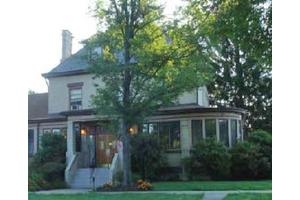
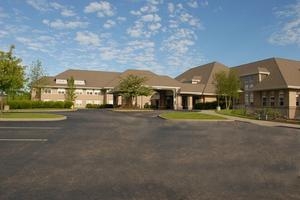
    Broadmore Senior Living at Lakemont F...
    Bridgeville, PA 15017
    "My mother Wilma R. was a resident at Broadmore from May 2011 until Sept 2011 when she passed away..." more

     16585
    0.0
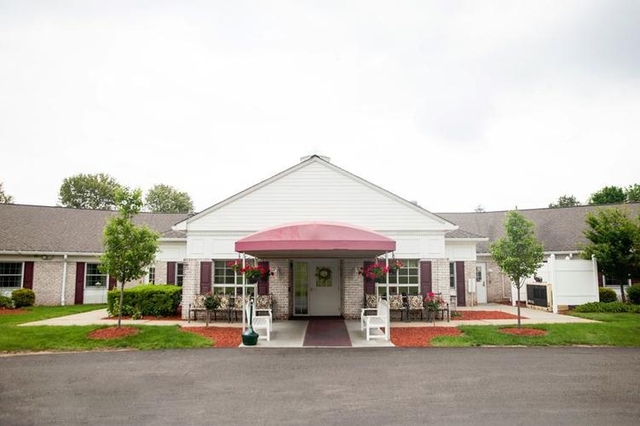
    Sterling House of Penn Hills
    Penn Hills, PA 15235
    "Sterling House of Penn Hills provides our residents with lifestyles, housing, care and services..." more

  2. 0.0
    Sycamore Creek Nursing Center
    Coraopolis, PA 15108

    Cedars of Monroeville, the
    Monroeville, PA 15146

    0.0
    Friendship Village of South Hi
    Pittsburgh, PA 15241


    0.0
    Village at Pennwood
    Pittsburgh, PA 15221

    Upmc Heritage Place
    Pittsburgh, PA 15217

    0.0
    Upmc Magee-womens Hospital Tcu
    Pittsburgh, PA 15213

    0.0
    Asbury Health Center
    Pittsburgh, PA 15243


    0.0
    Southwestern Veterans Center
    Pittsburgh, PA 15206


    0.0
    Charles M. Morris Nursing and
    Pittsburgh, PA 15217

    0.0
    Concordia Of The South Hills
    Pittsburgh, PA 15243

    Vincentian De Marillac
    Pittsburgh, PA 15206


    0.0
    St. Barnabas Nursing Home
    Gibsonia, PA 15044


    0.0
    Upmc Tcu
    Pittsburgh, PA 15213

    0.0
    Marian Manor Corporation
    Pittsburgh, PA 15220

CaringScore

Overview HealthScore: 8.3 CostScore: 4.7 LivabilityScore: 5.5
6.3
of 10

CaringScore for Allegheny County, PA

CaringScore was designed to help millions of Americans find the best places to retire, age in place, or receive eldercare. The CaringScore for nursing homes in Allegheny was based on more than 50 factors in three key categories: health, cost, and livability. By compiling and analyzing this data, Caring.com is able to rate the quality of life you or a loved one might expect should you choose nursing homes in Allegheny.

CaringScore can range from 1 (worst) to 10 (best), and provides a quick way to compare cities, counties, and even specific zip codes. With a CaringScore of 6.3, Allegheny rates above average for those seeking nursing homes.

The charts below highlight a few of the factors we used to calculate the CaringScore for Allegheny. Choose a category score to learn more.

8.3
of 10

HealthScore for Allegheny County, PA

HealthScore, a component of the overall CaringScore for nursing homes in Allegheny, rates a region on a scale of 1 (less healthful) to 10 (more healthful). It's specifically tailored to anyone looking for nursing homes. The HealthScore for Allegheny is based on the availability of healthcare resources, air and water quality, the overall health of the local population, and other key factors. With a HealthScore of 8.3, Allegheny rates above average for those seeking nursing homes.

Easy access to physicians -- especially geriatricians and other key specialists -- is important to older adults seeking nursing homes. At 380.7 physicians per capita, Allegheny scores 72.7 percent better than the national average. Allegheny scores 161.5 percent better than the national average in geriatricians per capita, with 3.4, and scores 122.6 percent better than the national average in specialists per capita, with 43.4. These medical specialists include cardiologists, oncologists, and orthopedists. The average life expectancy from birth in Allegheny is 77.6 years -- on par with the rest of the country. Air quality in Allegheny -- one factor in gauging the healthfulness of a region -- is 92.8 percent below average, and water quality -- another key measure of Allegheny's environmental health -- is about average.

Doctors Per Capita Allegheny County, PA Nat'l Avg
Physicians 380.7 220.5
Geriatricians 3.4 1.3
Cardiologists 19.9 7.7
Oncologists 8.2 3.5
Orthopedists 11.9 7
4.7
of 10

CostScore for Allegheny County, PA

CostScore, part of the overall CaringScore for nursing homes in Allegheny, rates the cost of living for older adults on a scale of 1 (more expensive) to 10 (less expensive). It's specifically tailored to people looking for nursing homes. The CostScore for Allegheny is based on data such as the average monthly cost of nursing homes in the region, the cost of housing and healthcare, regional tax rates, and other key factors. With a CostScore of 4.7, Allegheny is on par with the national average for nursing homes.

The average monthly cost for nursing homes in Allegheny is $7,604 , which is 29.5 percent more expensive than the rest of the country. Overall, the cost of living for Allegheny indexes at 9.0 percent lower than the national average. Average healthcare costs are 2.0 percent cheaper than the national average, and the cost of housing is 37.0 percent less expensive than average.

Cost of Living Allegheny County, PA
Aggregate Index 91
Healthcare Index 98
Housing Index 63
Food Index 106
Utilities Index 101
Transportation Index 113
5.5
of 10

LivabilityScore for Allegheny County, PA

LivabilityScore makes up part of the overall CaringScore for nursing homes in Allegheny. On a scale of 1 (less livable) to 10 (more livable), it's a rating of the quality of life in a region, specifically tailored to those looking for nursing homes. The LivabilityScore for Allegheny is based on weather, crime rates, economic factors, average age of the population, and other key demographics. With a LivabilityScore of 5.5, Allegheny is on par with the national average for nursing homes.

Weather is an important factor in choosing the best place for nursing homes. The sun shines an average of 162 days each year in Allegheny, 21.0 percent fewer sunny days than the rest of the U.S. sees. With an average temperature of 23°F in January, winters in Allegheny tend to be similar to other parts of the country, and summers are often more temperate than other places, averaging 84°F in July.

Local crime rates are another important indicator. The violent crime rate index in Allegheny is 4 out of 10, which is about average, and the property crime rate is 25.0 percent lower than average. At $48,021 per year, the population of Allegheny earns a lower than average median household income. Allegheny has an unemployment rate of 7.00 percent, roughly 23.1 percent lower than the national average. And about 17.31 percent of the population in Allegheny is of retirement age -- 65 or older -- which exceeds the national average by 31.5 percent.

Amenities Per Capita Allegheny Nat'l Avg
Parks 1.7 136.1
Libraries 6.1 18.8
Places of Worship 78.8 220.5
Public Transit 229.7 110.4
Grocery Stores 67.6 97.7
Pharmacies 15.4 13.8

More Information About Nursing Homes

  • Talking With Barbara McVicker: Caregiving in a Dysfunctional Family
    Interview - ...nd an emotional level. Also sprinkled throughout the book are tips on everything from filling the silence during parental visits to picking nursing homes to finding resources such as the Alzheimer's Association's Safe Return program, which provides help when a person with Alzheimer's wanders...
  • The Patient Claimed He Was Getting Worse In Rehab. Could He Be Right?
    Blog Post - ...ist, others end up feeling like a clichéd "terrible nursing home experience." This isn't surp rising, given that rehab often takes place in nursing homes, where quality can range from excellent to spotty. Mr. Z. didn’t know what to do. It didn’t help that like many older people, he had no f...
  • Is Parkinson's and dementia fatal and heriditary?
    Question - Hi all. My grandfather is 76 and he was diagnosed with Parkinson's disease in 2003. As long as i can remember.. he's been sick with this. I'm 16 now and he was recently diagnosed with the Dementia side of Parkinson's. My grandmother has been taking care of him since he was diagnosed and she can't take care of him anymore...
  • Dementia Patients Seem to Benefit From Small Group Homes
    News - FRIDAY, Sept. 16 (HealthDay News) -- People with dementia appear to be better off in small group homes rather than large nursing homes because they offer a domestic environment where patients can live as individuals, new research suggests. And small group homes offer the a...