The 10 Best Independent Living Communities in Tulsa, OK for 2024
Also serving communities of Cleveland.
There are 21 Independent Living Communities in the Tulsa area, with 20 in Tulsa and 1 nearby.
The average cost of independent living in Tulsa is $2,559 per month. This is lower than the national median of $2,800.
To help you with your search, browse the 250 reviews...
below for independent living communities in Tulsa. On average, consumers rate independent living in Tulsa 4.37 out of 5 stars. Better rated regions include Owasso with an average rating of 5 out of 5 stars.
Caring.com has helped 58 families in Tulsa find high-quality senior care. To speak with one of our Family Advisors about independent living options and costs in Tulsa, call (855) 948-3865.
"I have lived here since 2021 and have highly recommended it to others repeatedly. The staff is so helpful any time you ask for help of any kind and always have a smile on their faces. The rooms are comfortable and have a house keeper in every week. ..."
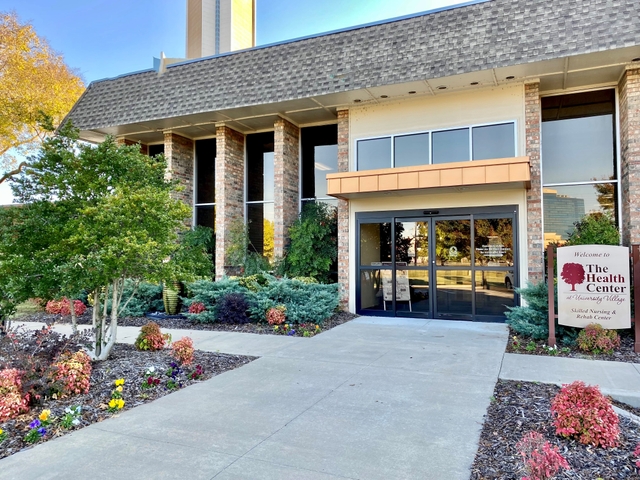
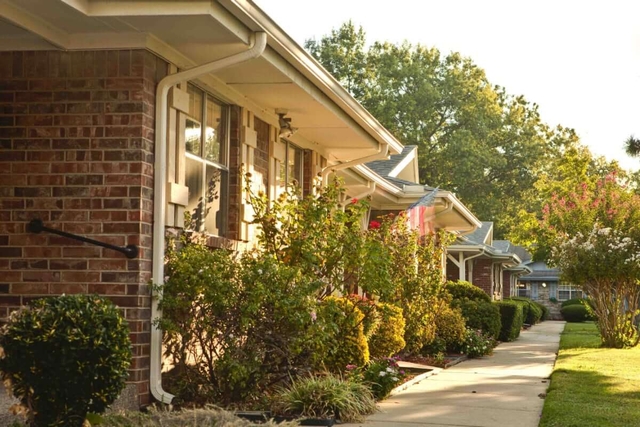
"University Village Retirement Community is a really nice facility. We're very pleased with them. They are one of the cheapest, but they were really good. We might be more inclined towards the cottages that they have. There are good sized, one-bedroom..."
"Bellarose is a fairly new facility. We looked at the villas and the whole complex and also had lunch there. It looked very nice from what we were looking at when we were going through the tour. It was quite an interesting tour.
We met someone, when ..."
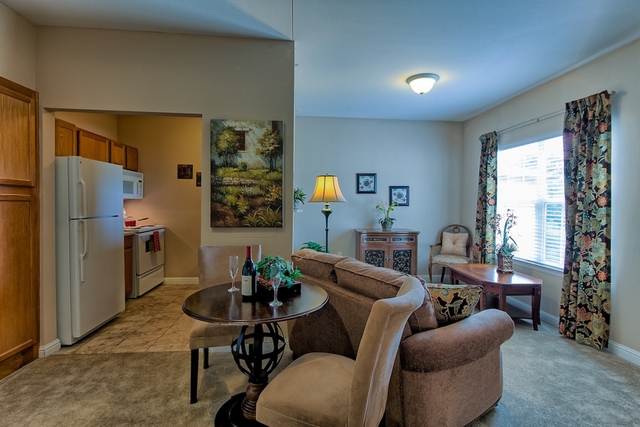
"We've already got mom into Town Village Tulsa. It's fabulous. She has a full kitchen. The staff is awesome. The food is good. They've got lots of stuff. They've got bingo, workouts, and painting. They have an area where you can go out and sit on the ..."
"My mom will be moving into Southern Hills Retirement Community. I went there twice. The experience was really good, they were very friendly. And the residents seem very happy. And I liked the way that the facility was laid out because it seems to be ..."
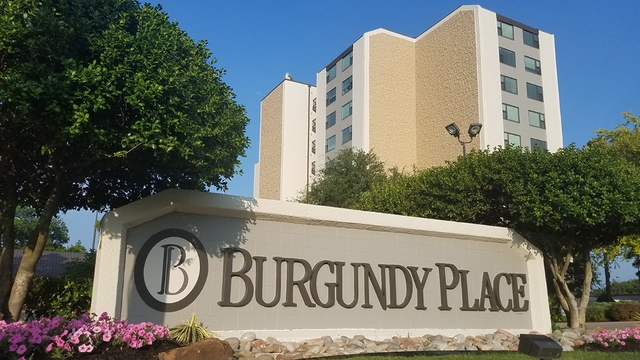
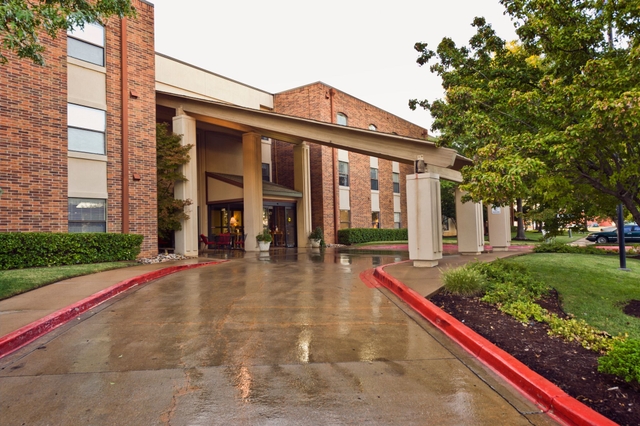
"My father has moved into Senior Star at Burgundy Place. It's been very nice. It's been very welcoming and very helpful. It's a great little spot. It's kind of tucked away. It's not real big. It's just the perfect size. The food is very good. It's bee..."
"I moved into Senior Star at Woodland Terrace. It is a very nice place. Everyone is very kind, very helpful, very patient, and professional, yet they make you feel like family. They have been outstanding. They try to accommodate everyone in the best w..."
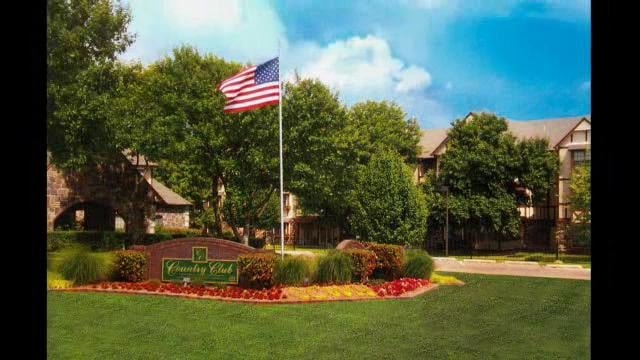
"I chose to live here at Country Club At Woodland Hills because of the price, what it looks like, and the people are very friendly. It's very nice inside. The people are very pleasant. I like the dining room and the fact that there's a menu. You don't..."
"My parents have lived here since 2020. The facilities are nice, there are lots of activities on offer, and the residents are great! Note that many of the activities are organised by residents so have little reflection on the paid staff.
Unfortuna..."
"The move-in process at Covenant Living at Inverness was pretty seamless and Mom seems pretty happy there. They have activities and the grounds are really pretty. Her apartment is beautiful. They helped with the move-in process and helped me find move..."
"Wow. We are so appreciative of how the amazing Scandia staff is so actively involved in the Life, Health and Wellness of it's residence. We love the Seniors and their zest for life. The staff pampers them with cruise ship like services and we love ..."
"My mother was living in The Villages at Southern Hills when she got sick, and they allowed her to return to her own apartment there. We've done three convalescences there and we were happy with the place, that's why we went back. The staff that we de..."
"My mother is in Cedarhurst of Woodland Hills. It's all independent living. It's very clean. They've got friendly front desk people or receptionists. They are very helpful like if she has the mail or a box or something that she can't get to her room, ..."
"My friend will be moving into the independent living apartments at Zarrow Pointe. It's gated, and the community is small. It's very walkable and they also have beautiful villas that if I were to choose something, I'd choose them. The independent livi..."
"Pythian Manor West was recommended by a friend and I went to visit the place. The facility was very well-kept and in excellent condition. The two staff I met were efficient and they explained everything to me. The bedroom had a pull cord in case of e..."
"I toured the 5400 South Apartments in Tulsa, and it was fine. I like the place very much. The community center was not open, so I did not see that. It is a very nice place and very well maintained. The staff were very friendly. The one who accompanie..."
"Someone told me about the Park Village Retirement Community, so I looked it up and went there. I visited on a Saturday and it didn't seem like they had so much activity on their agenda. There wasn't much friendliness or camaraderie. They should have ..."
"Woodland Manor Apartment Homes is a 55+. It was not quite what I was looking for, but it was nice. They only showed us one apartment, and it wouldn't accommodate some of my things. It's just right in town and in a commercial area. The staff was pleas..."
I am a friend or relative of a current/past resident
Review of Montereau
My parents have lived here since 2020. The facilities are nice, there are lots of activities on offer, and the residents are great! Note that many of the activities are organised by residents so...
The food at Holiday Prairie Rose was really good. It was very tasty. I know that they are going to remodel. The facility was kind of dated. The apartments to us seemed dated. My mother-in-law...
I like the people who work at Holiday Prairie Rose. I did not like that they have a basic package plan and then you have to add to it because it seemed like all of the packages that you add to it...
.png&w=256&q=75)