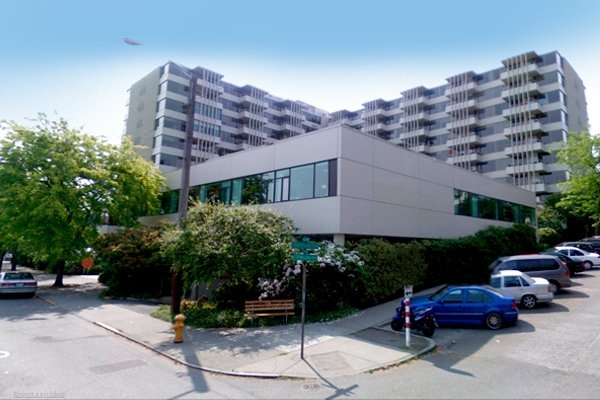
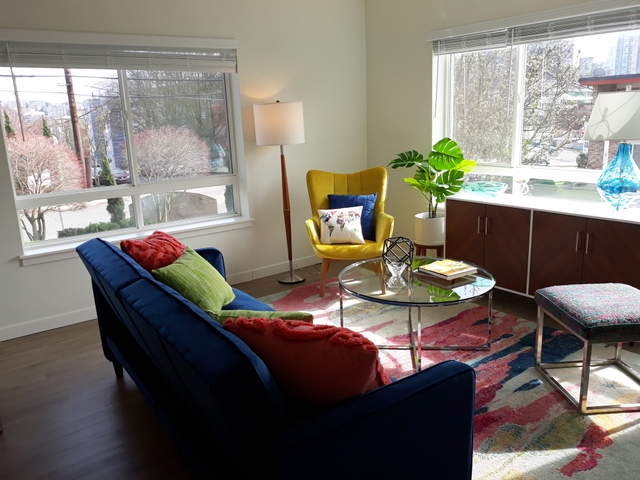
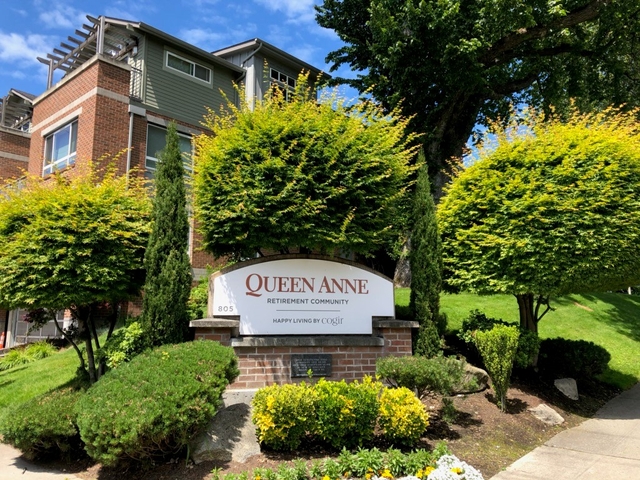
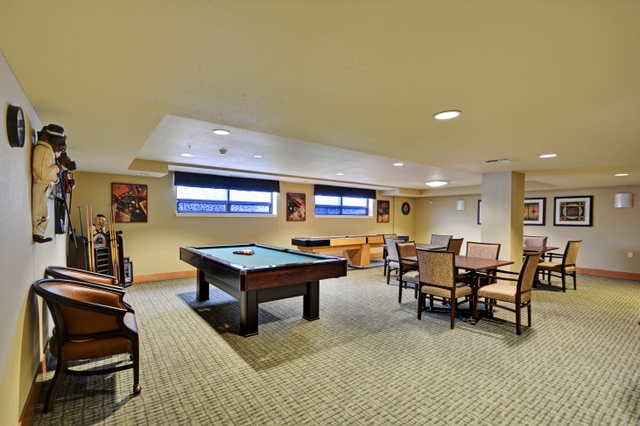
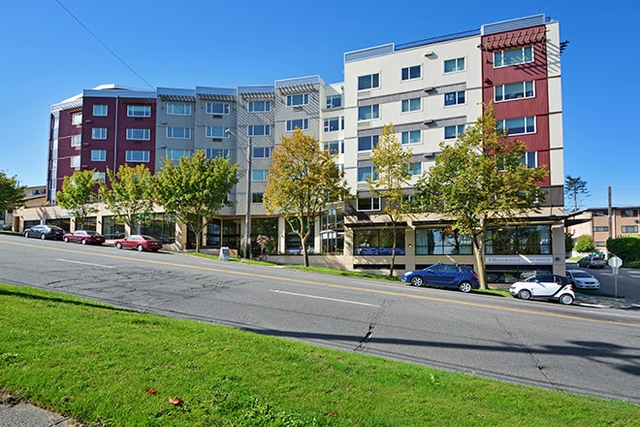
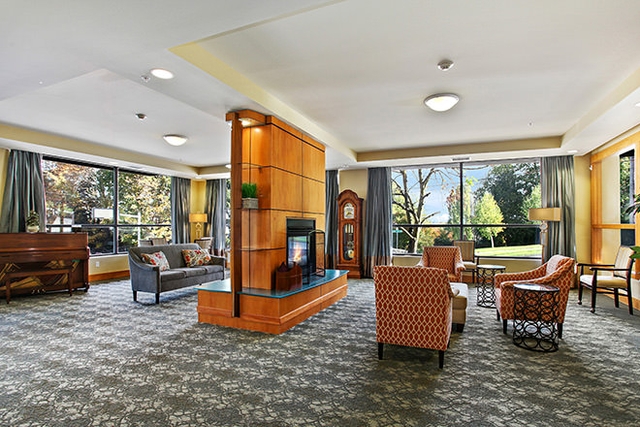
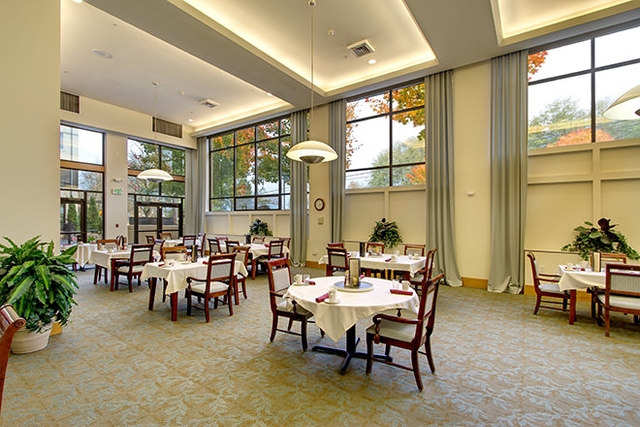
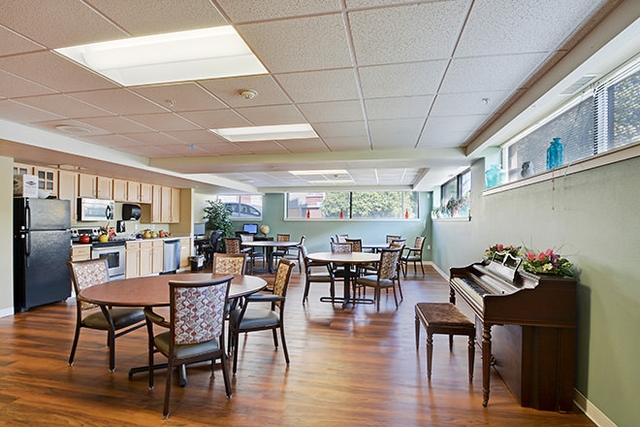
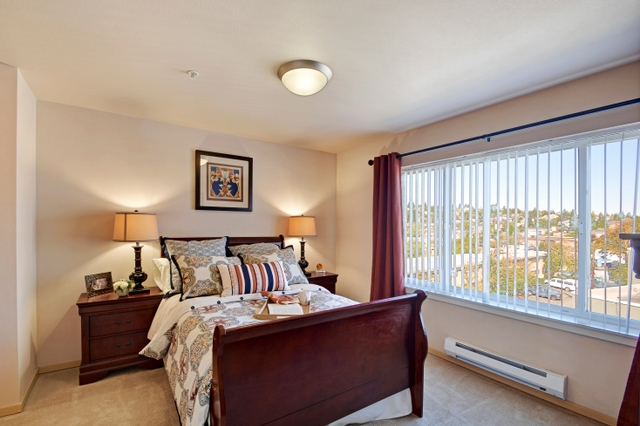
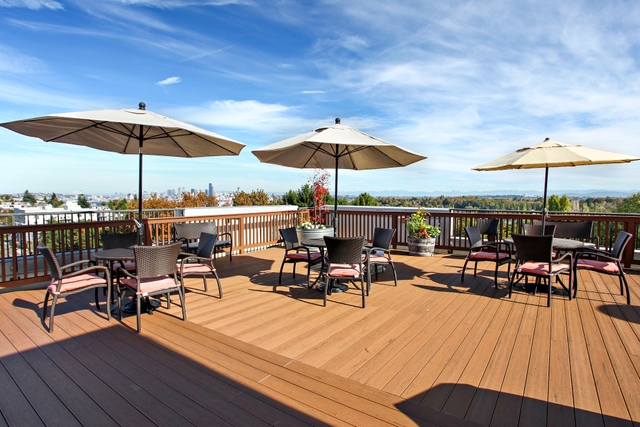
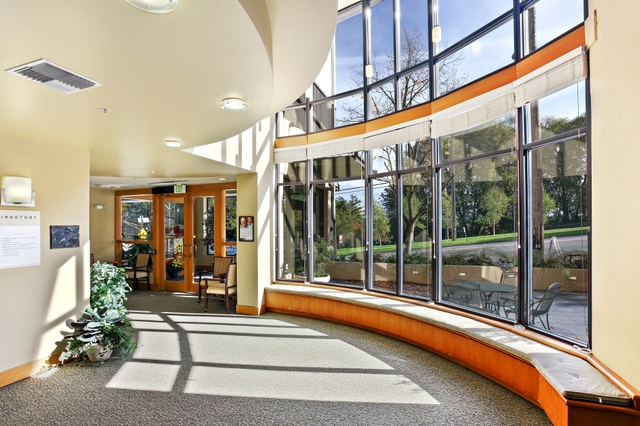
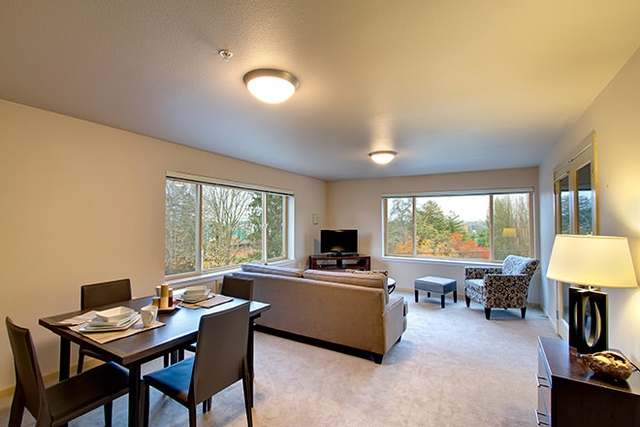
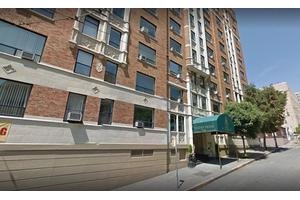
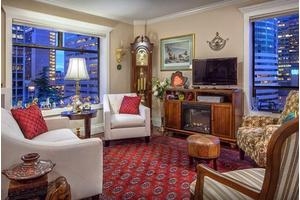
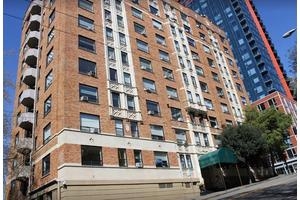
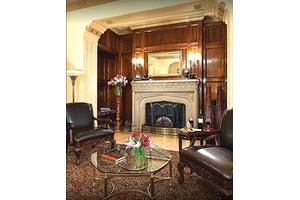
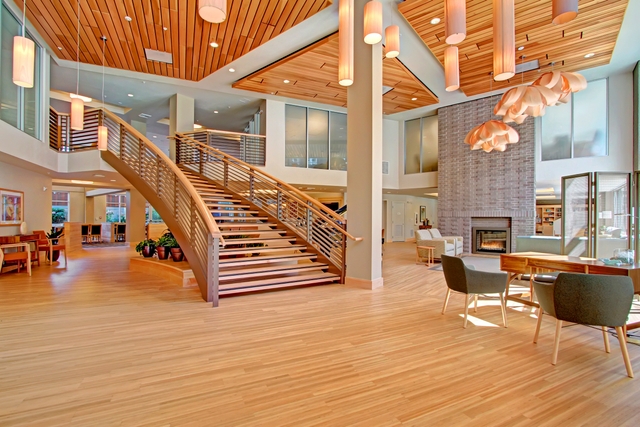
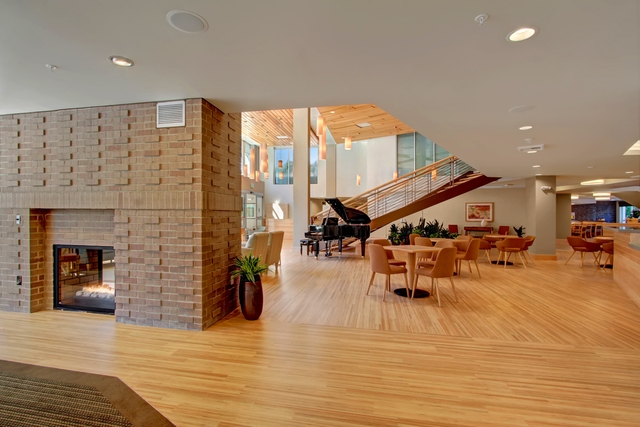
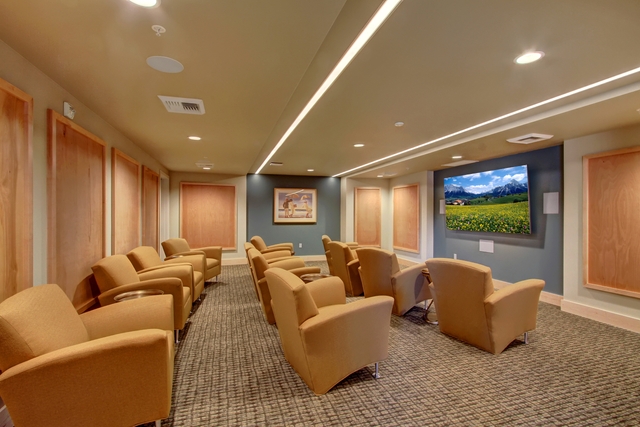
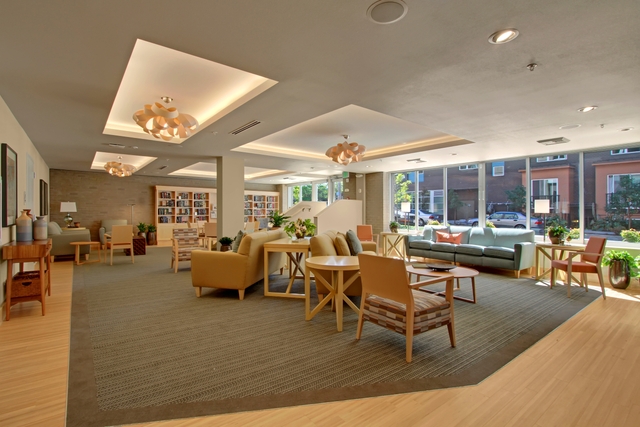
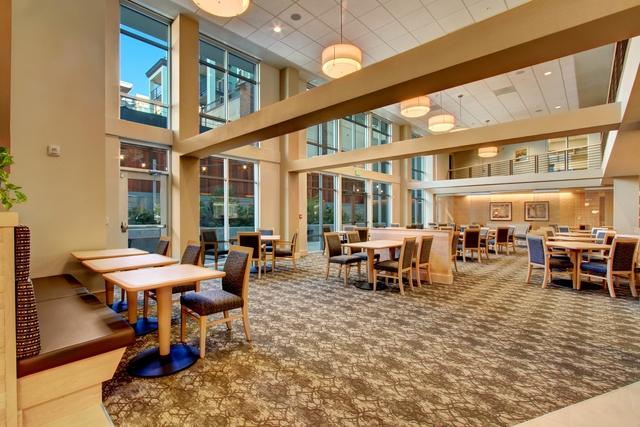
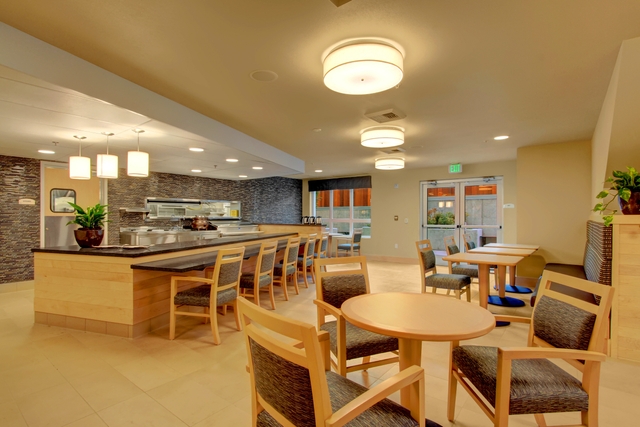
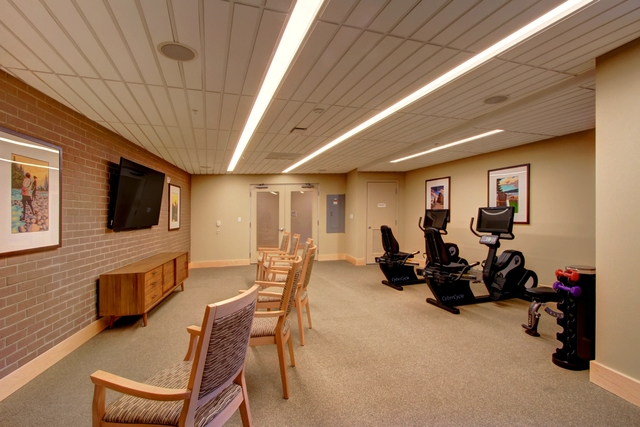
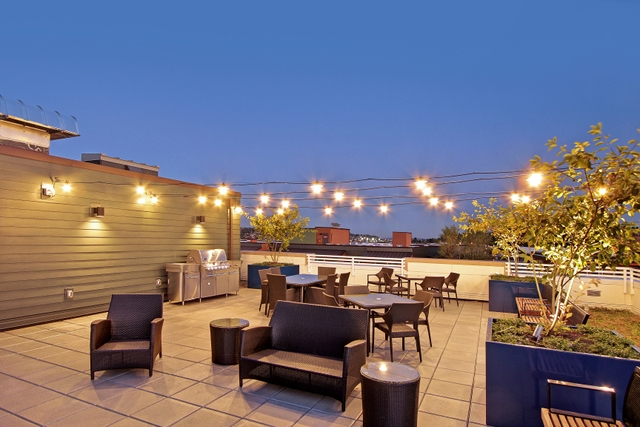
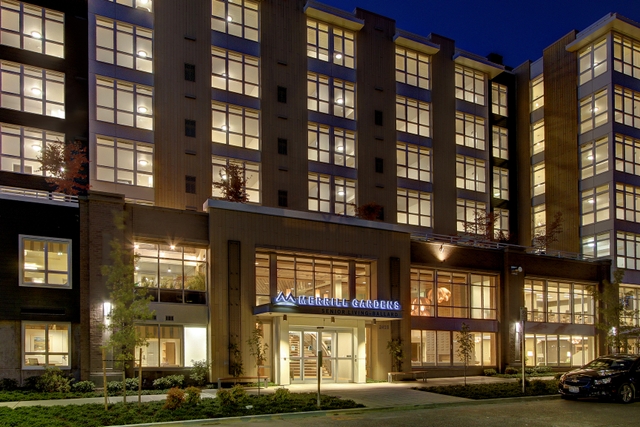
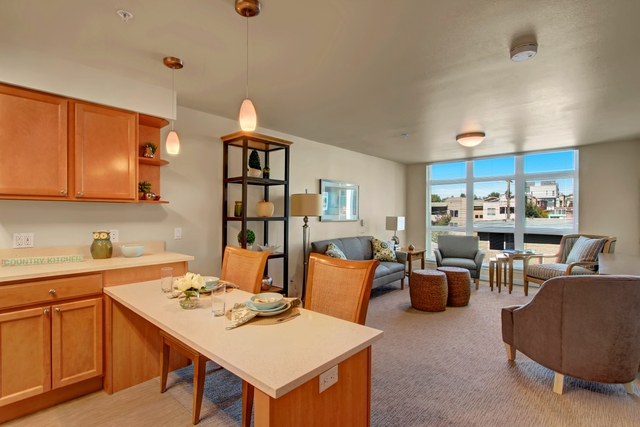
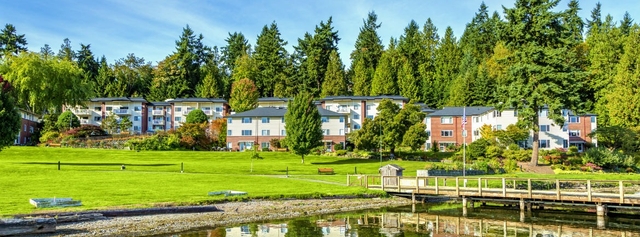
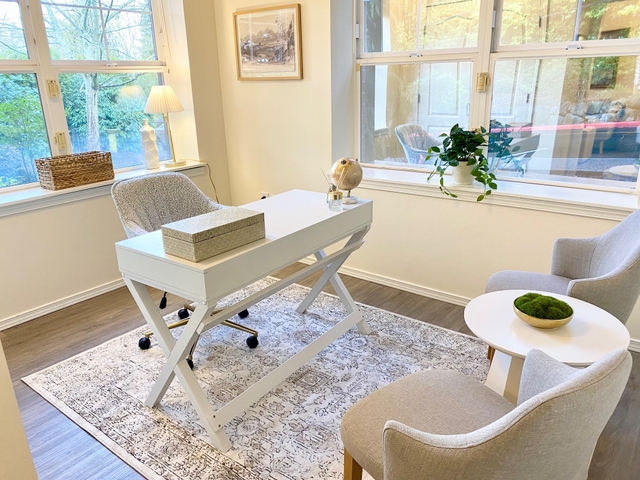
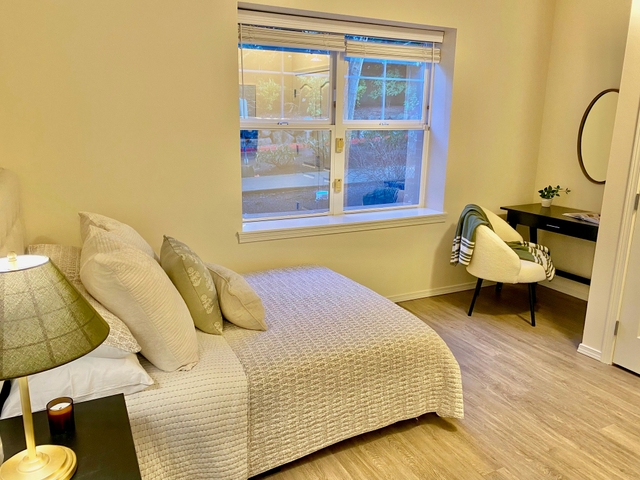
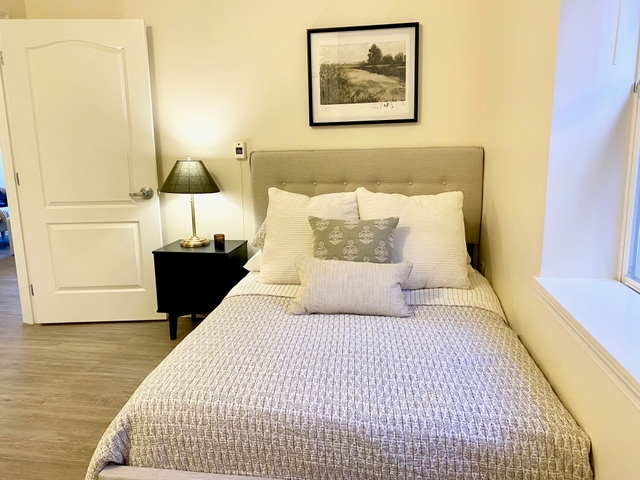
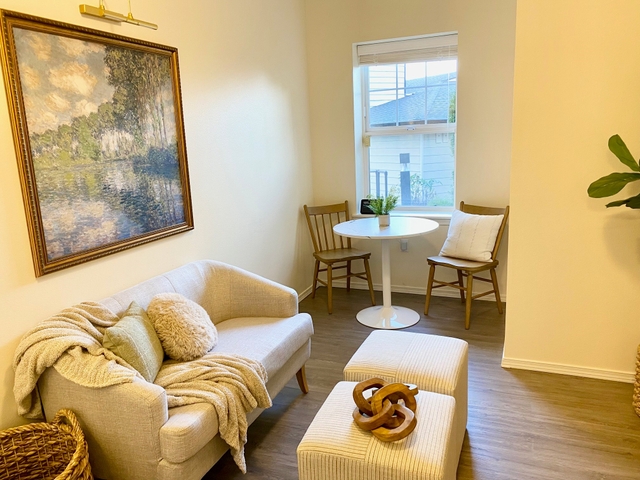
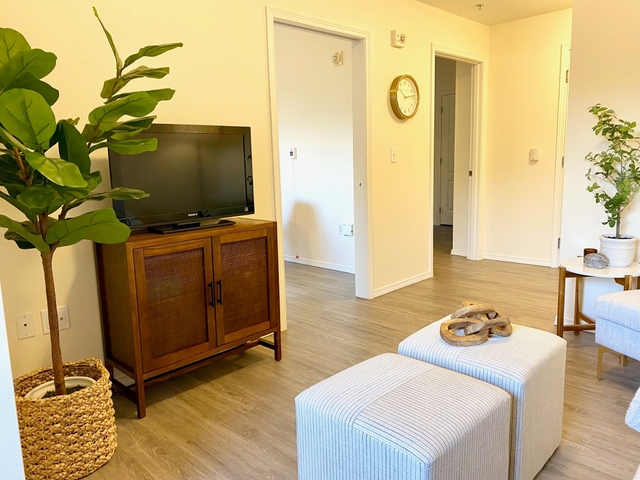
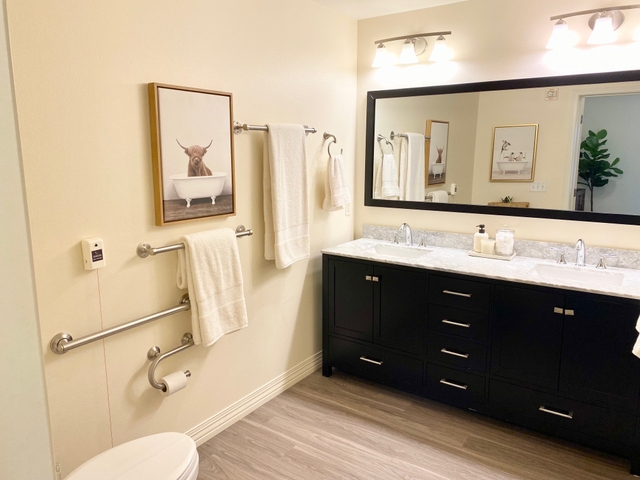
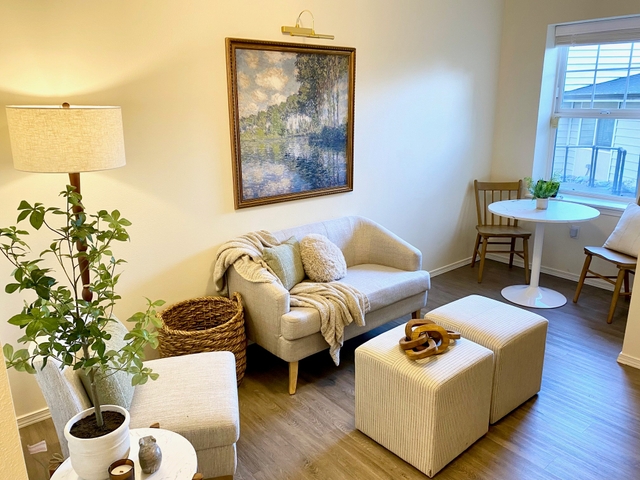
We found 19 continuing care communities near Seattle, WA. Read reviews, check ratings and pricing, get contact information, and learn about housing options, amenities, and events offered by browsing the Seattle CCRCs listed below.
-
Exeter HouseSeattle, WA 98101"Refund Plans: Declining Balance over 100 mos.-Assisted Living & Nursing Care at " more
Horizon HouseSeattle, WA 98101"Refund Plans: 90% of Entrance Fee; 50% Refund (Price: 81% of Entrance Fee); 0% R" more
Bayview ManorSeattle, WA 98119"Refund Plans: 60% of Entrance Fee; Declining balance to 0% over 5 yrs. (Price: 6" more
Park ShoreSeattle, WA 98112"Refund Plans: Declining balance to 0% over 2 yrs. Assisted Living and Nursing Ca" more
HearthstoneSeattle, WA 98103"Refund Plans: Declining balance over 4 yrs. Assisted Living and Nursing Care on " more
Aljoya Thornton Place, NorthgateSeattle, WA 98125"Without a doubt, the charms of Aljoya come wrapped in a very inviting package. F" more
Crista Senior CommunitySeattle, WA 98133"Refund Plans: 60% of Entrance Fee- Increases from 40% over 15 yrs.; Declining Ba" more -
Covenant ShoresMercer Island, WA 98040"Refund Plans: 75% of Entrance Fee; 50% refund (Price: 67% of Entrance Fee). Mont" more
Emerald HeightsRedmond, WA 98052"Refund Plans: 90% of Entrance Fee; 50% Refund (Price: 82% of Entrance Fee); Non-" more
Wesley Homes Des MoinesDes Moines, WA 98198"Refund Plans: 80% of Entrance Fee; Declining Balance to 0% over 5 yrs. (Price: 5" more
Judson Park/Sound ViewDes Moines, WA 98198"Refund Plans: 80% of Entrance Fee; 50% Refund (Price: 73-76% of Entrance Fee); D" more
Wesley Homes Lea HillAuburn, WA 98092"Refund Plans: 100% of Entrance Fee; Partial Refund (Price: higher Entrance Fee w" more
Franke Tobey Jones Retirement EstatesTacoma, WA 98407"Refund Plan: Entrance fee fully vested in facility after 5 yrs. Priority access " more
Warm BeachStanwood, WA 98292"Refund Plans:75% of Entrance Fee; 50% Refund (Lower Entrance Fee). Priority acce" more
CaringScore
CaringScore for Seattle, WA
CaringScore was designed to help millions of Americans find the best places to retire, age in place, or receive eldercare. The CaringScore for continuing care retirement communities in Seattle was based on more than 50 factors in three key categories: health, cost, and livability. By compiling and analyzing this data, Caring.com is able to rate the quality of life you or a loved one might expect should you choose continuing care retirement communities in Seattle.
A CaringScore can range from 1 (worst) to 10 (best), and provides a quick way to compare cities, counties, and even specific zip codes. With a CaringScore of 5.2, Seattle is on par with the national average for those seeking continuing care retirement communities.
The charts below highlight a few of the factors we used to calculate the CaringScore for Seattle. Choose a category score to learn more.
HealthScore for Seattle, WA
HealthScore, a component of the overall CaringScore for continuing care retirement communities in Seattle, rates a region on a scale of 1 (less healthful) to 10 (more healthful). It's specifically tailored to anyone looking for continuing care retirement communities. The HealthScore for Seattle is based on the availability of healthcare resources, air and water quality, the overall health of the local population, and other key factors. With a HealthScore of 8, Seattle rates above average for those seeking continuing care retirement communities.
Easy access to physicians -- especially geriatricians and other key specialists -- is important to older adults seeking continuing care retirement communities. At 334.8 physicians per capita, Seattle scores 51.8 percent better than the national average. Seattle scores 61.5 percent better than the national average in geriatricians per capita, with 2.1, and scores 45.1 percent better than the national average in specialists per capita, with 28.3. These medical specialists include cardiologists, oncologists, and orthopedists. The average life expectancy from birth in Seattle is 80.7 years -- 3.6 percent higher than most of the country. Air quality in Seattle -- one factor in gauging the healthfulness of a region -- is 56.6 percent below average, and water quality -- another key measure of Seattle's environmental health -- is about average.
| Doctors Per Capita | Seattle, WA | Nat'l Avg |
|---|---|---|
| Physicians | 334.8 | 220.5 |
| Geriatricians | 2.1 | 1.3 |
| Cardiologists | 9 | 7.7 |
| Oncologists | 6.5 | 3.5 |
| Orthopedists | 10.7 | 7 |
CostScore for Seattle, WA
CostScore, part of the overall CaringScore for continuing care retirement communities in Seattle, rates the cost of living for older adults on a scale of 1 (more expensive) to 10 (less expensive). It's specifically tailored to people looking for continuing care retirement communities. The CostScore for Seattle is based on data such as the average monthly cost of continuing care retirement communities in the region, the cost of housing and healthcare, regional tax rates, and other key factors. With a CostScore of 2.7, the costs associated with continuing care retirement communities in Seattle are generally more expensive than the national average.
Because of the broad range of housing, service, and healthcare options available at continuing care retirement communities, no average monthly cost data is available for Seattle. The entry fee or purchase price for an independent living community can range from $50,000 to $500,000 or more, and typically requires an additional monthly service fee of $1,000 to $3,000 on average. The cost of living indices below provide the best proxy for comparing costs of continuing care retirement communities in Seattle to the rest of the country. Overall, the cost of living for Seattle indexes at 49.0 percent higher than the national average. Average healthcare costs are 16.0 percent more expensive than the national average, and the cost of housing is 143.0 percent more expensive than average.
| Cost of Living | Seattle, WA |
|---|---|
| Aggregate Index | 149 |
| Healthcare Index | 116 |
| Housing Index | 243 |
| Food Index | 110 |
| Utilities Index | 89 |
| Transportation Index | 114 |
LivabilityScore for Seattle, WA
LivabilityScore makes up part of the overall CaringScore for continuing care retirement communities in Seattle. On a scale of 1 (less livable) to 10 (more livable), it's a rating of the quality of life in a region, specifically tailored to those looking for continuing care retirement communities. The LivabilityScore for Seattle is based on weather, crime rates, economic factors, average age of the population, and other key demographics. With a LivabilityScore of 4.3, Seattle rates below average for continuing care retirement communities.
Weather is an important factor in choosing the best place for continuing care retirement communities. The sun shines an average of 152 days each year in Seattle, 25.9 percent fewer sunny days than the rest of the U.S. sees. With an average temperature of 37°F in January, winters tend to be milder in Seattle than in other parts of the country, and summers are often more temperate than other places, averaging 75°F in July.
Local crime rates are another important indicator. The violent crime rate in Seattle is 50.0 percent higher than the national average, and the property crime rate is 75.0 percent higher than average. At $59,417 per year, the population of Seattle earns a better than average median household income. Seattle has an unemployment rate of 7.70 percent, roughly 15.4 percent lower than the national average. And about 12.18 percent of the population in Seattle is of retirement age -- 65 or older -- which matches the national average.
| Amenities Per Capita | Seattle | Nat'l Avg |
|---|---|---|
| Parks | 3.2 | 136.1 |
| Libraries | 4 | 18.8 |
| Places of Worship | 63.2 | 220.5 |
| Public Transit | 707.3 | 110.4 |
| Grocery Stores | 168.7 | 97.7 |
| Pharmacies | 13.9 | 13.8 |
Find Continuing Care Retirement Communities Nearby
More Information About Continuing Care Retirement Communities
-
How to Downsize
Article - 8 steps for easing a parent's move into a retirement community or assisted living facility. - 8 steps for easing a parent's move into a retirement community or assisted living facility. -
College-Linked Retirement Communities Connect Generations
Blog Post - College-affiliated retirement communities are a rapidly-growing new retirement housing option, offering intellectual stimulation and an intergenerational community. - College-affiliated retirement communities are a rapidly-growing new retirement housing option, offering intellectual stimulation and an intergenerational community. -
What can I do to bring some pleasure to my mom who has Alzheimer's?
Question - You have a very difficult situation to deal with as she probably will not change her lifestyle at this point in her life. Validate her feelings and then try to move the conversation on to something else. Would she consent to counseling?If so, find health care professionals who are qualified to counsel seniors...