-
Sponsored Result
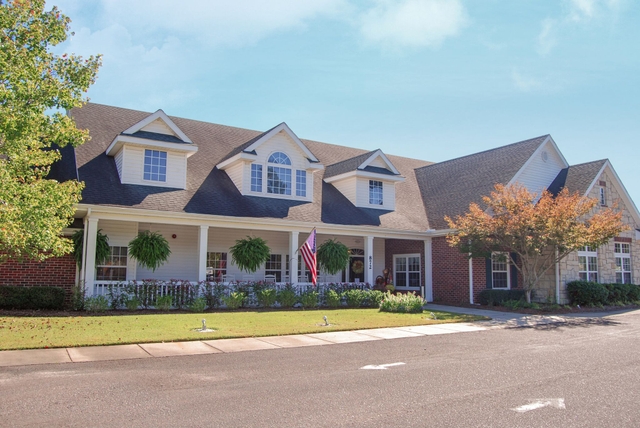
Emeritus at Conway PlaceConway, SC 29526"Emeritus at Conway Place offers warm, friendly assisted living in Conway, SC. We tailor our ser..." more -
Sponsored Result
BrightwaterMyrtle Beach, SC 29579"Brightwater is a preferred retirement community in the Myrtle Beach, SC area. Located on 78 ac..." moreSponsored Result
Myrtle Beach ManorMyrtle Beach, SC 29572"I believe that the assisted living facility was actually quite nice for a nursing home. My grandm..." moreSponsored Result
Summit Place of North Myrtle BeachNorth Myrtle Beach, SC 29566"Summit Place of North Myrtle Beach offers compassionate senior care in North Myrtle Beach, SC. ..." moreSponsored Result
Lakes at LitchfieldPawleys Island, SC 29585"The Lakes at Litchfield is a preferred retirement community in the Pawleys Island, SC area. Lo..." moreSponsored Result
Morningside of GeorgetownGeorgetown, SC 29440"Morningside of Georgetown offers compassionate senior care in Georgetown, SC. We strive to crea..." more -
Agapé Senior - ConwayConway, SC 29527"Agapé Senior’s Conway location is conveniently located off Highway 378, close to" more -
Agapé Senior - Garden CityMurrells Inlet, SC 29576"Agapé Senior’s Garden City location is conveniently located off Highway 17 Bypas" more
Agape Senior of Garden CityMurrells Inlet, SC 29576"Integrated health services for senior adults in a faith based atmosphere...." more
CaringScore
CaringScore for Conway, SC
CaringScore was designed to help millions of Americans find the best places to retire, age in place, or receive eldercare. The CaringScore for assisted living facilities in Conway was based on more than 50 factors in three key categories: health, cost, and livability. By compiling and analyzing this data, Caring.com is able to rate the quality of life you or a loved one might expect should you choose assisted living facilities in Conway.
A CaringScore can range from 1 (worst) to 10 (best), and provides a quick way to compare cities, counties, and even specific zip codes. With a CaringScore of 4.9, Conway is on par with the national average for those seeking assisted living facilities.
The charts below highlight a few of the factors we used to calculate the CaringScore for Conway. Choose a category score to learn more.
HealthScore for Conway, SC
HealthScore, a component of the overall CaringScore for assisted living facilities in Conway, rates a region on a scale of 1 (less healthful) to 10 (more healthful). It's specifically tailored to anyone looking for assisted living facilities. The HealthScore for Conway is based on the availability of healthcare resources, air and water quality, the overall health of the local population, and other key factors. With a HealthScore of 5.4, Conway is on par with the national average for those seeking assisted living facilities.
Easy access to physicians -- especially geriatricians and other key specialists -- is important to older adults. At just 163.7 physicians per capita, Conway trails the national average by 25.8 percent. Conway scores 100.0 percent better than the national average in geriatricians per capita, with 2.6, and closely matches the national average in specialists per capita, with 17.8. These medical specialists include cardiologists, oncologists, and orthopedists. The average life expectancy from birth in Conway is 76.8 years -- 1.4 percent lower than most of the country. Air quality in Conway -- one factor in gauging the healthfulness of a region -- is 2.4 percent above average, and water quality -- another key measure of Conway's environmental health -- trails the national average by 49.1 percent.
| Doctors Per Capita | Conway, SC | Nat'l Avg |
|---|---|---|
| Physicians | 163.7 | 220.5 |
| Geriatricians | 2.6 | 1.3 |
| Cardiologists | 6.7 | 7.7 |
| Oncologists | 1.5 | 3.5 |
| Orthopedists | 7.1 | 7 |
CostScore for Conway, SC
CostScore, part of the overall CaringScore for assisted living facilities in Conway, rates the cost of living for older adults on a scale of 1 (more expensive) to 10 (less expensive). It's specifically tailored to people looking for assisted living facilities. The CostScore for Conway is based on data such as the average monthly cost of assisted living facilities in the region, the cost of housing and healthcare, regional tax rates, and other key factors. With a CostScore of 5.1, Conway is on par with the national average for assisted living facilities.
The average monthly cost for assisted living facilities in Conway is $3,388 , which is generally on par with the rest of the country. Overall, the cost of living for Conway is roughly equal to the national average. Average healthcare costs are 3.0 percent more expensive than the national average, and the cost of housing is 16.0 percent less expensive than average.
| Cost of Living | Conway, SC |
|---|---|
| Aggregate Index | 97 |
| Healthcare Index | 103 |
| Housing Index | 84 |
| Food Index | 105 |
| Utilities Index | 112 |
| Transportation Index | 91 |
LivabilityScore for Conway, SC
LivabilityScore makes up part of the overall CaringScore for assisted living facilities in Conway. On a scale of 1 (less livable) to 10 (more livable), it's a rating of the quality of life in a region, specifically tailored to those looking for assisted living facilities. The LivabilityScore for Conway is based on weather, crime rates, economic factors, average age of the population, and other key demographics. With a LivabilityScore of 3.7, Conway rates below average for assisted living facilities.
Weather is an important factor in choosing the best place for assisted living facilities. The sun shines an average of 212 days each year in Conway, 3.4 percent more sunny days than the rest of the U.S. sees. With an average temperature of 35°F in January, winters tend to be milder in Conway than in other parts of the country, and summers are often hotter than other places, averaging 91°F in July.
Local crime rates are another important indicator. The violent crime rate in Conway is 125.0 percent higher than the national average, and the property crime rate is 150.0 percent higher than average. At $37,454 per year, the population of Conway earns a lower than average median household income. Conway has an unemployment rate of 11.10 percent, roughly 22.0 percent higher than the national average. And about 15.84 percent of the population in Conway is of retirement age -- 65 or older -- which exceeds the national average by 20.4 percent.
| Amenities Per Capita | Conway | Nat'l Avg |
|---|---|---|
| Parks | 0.2 | 136.1 |
| Libraries | 4.2 | 18.8 |
| Places of Worship | 118 | 220.5 |
| Public Transit | 1.4 | 110.4 |
| Grocery Stores | 381.5 | 97.7 |
| Pharmacies | 41.6 | 13.8 |
Find Assisted Living Facilities Nearby
More Information About Assisted Living Facilities
-
What to Do if Things Go Wrong in an Assisted-Living Community
Article - Common problems that may arise when an older adult moves to an assisted-living community, and tips for helping to address them. - ...? What you can do: Sometimes simple shyness keeps older adults from taking advantage of the very group activities they may have moved to assisted living in order to access. You can help by inviting yourself along to an initial meeting of a club or activity group to help break the ice. Especi... -
The Adult Diaper Wars: A Call to Arms!
Blog Post - A Canadian government official's threat to wear diapers triggers open talk of how to keep seniors who wear diapers comfortable and healthy. - A Canadian government official's threat to wear diapers triggers open talk of how to keep seniors who wear diapers comfortable and healthy. -
Are there tax deductions for assisted living care?
Question - ...r to come for 8 hours a day. Is there any way that the cost of the caregiver can be a tax deduction for them? We do not want to move dad to assisted living yet, but if that is a taxable expense and the caregiver is not, we might want to reconsider our decision. This whole process is very expensi... -
Dementia Patients Seem to Benefit From Small Group Homes
News - FRIDAY, Sept. 16 (HealthDay News) -- People with dementia appear to be better off in small group homes rather than large nursing homes because they offer a domestic environment where patients can live as individuals, new research suggests.