The 10 Best Independent Living Communities in Minneapolis, MN for 2024
There are 84 Independent Living Communities in the Minneapolis area, with 18 in Minneapolis and 66 nearby.
The average cost of independent living in Minneapolis is $2,011 per month. This is lower than the national median of $2,800.
To help you with your search, browse the 596 reviews below for independent...
living communities in Minneapolis. On average, consumers rate independent living in Minneapolis 4.06 out of 5 stars. Better rated regions include Columbia Heights with an average rating of 4.33 out of 5 stars.
Caring.com has helped thousands of families find high-quality senior care. To speak with one of our Family Advisors about independent living options and costs in Minneapolis, call (855) 948-3865.
Independent Living Facilities in Minneapolis, Minnesota
"I'll be moving into Abiitan Mill City. It was such a good fit for me. It had a lot of activities that I like to do. It had yoga and lectures, and it's right along the river with hiking paths. It's within walking distance of restaurants and grocery st..."
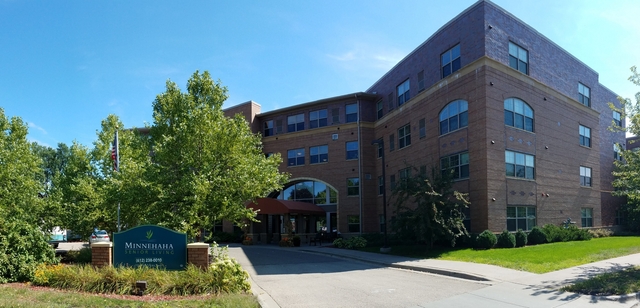
"I liked that Minnehaha Senior Living is in South Minneapolis. That's really all I liked. It was not inviting. The price seemed a lot for what you'd get there. There is just really nothing appealing to me. There was no decoration outside. There was no..."
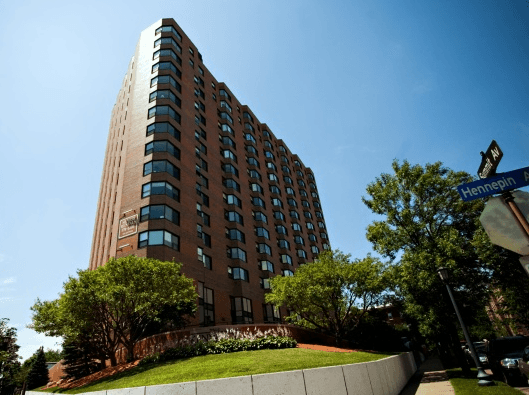
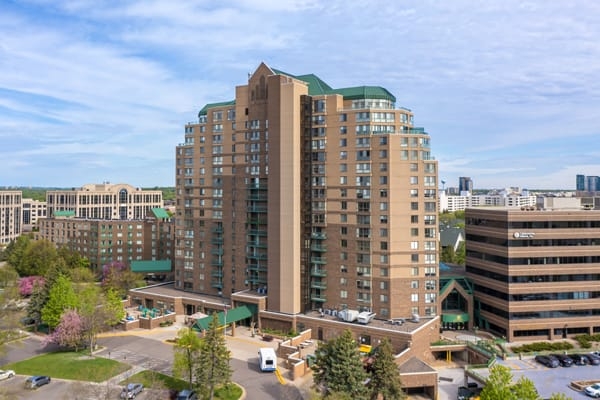
"Kenwood is an old facility, but everything is in really good condition. The staff is really helpful, too. The design of the building is good. It's tall -- 15 stories -- so none of the halls are very long. The food was nice. We were invited to come fo..."
4300 West River Parkway South, Minneapolis, MN, 55406
5.0
(3 reviews)
"I moved into Becketwood. It's a rather unique cooperative setting on 12 acres, so it's a very nice setting, and cooperative means that the management is run by the members. There's a management staff, but the members do have a board of directors and ..."
"I have chosen The Pillars of Prospect Park. It's by far the outstanding one that I visited. It far surpassed the others. I think it will meet my needs the best of any of the places. It's in close connection with the University of Minnesota Alumni Ass..."
"Ebenezer Tower Apartments is connected to the Ebenezer Foundation, which our aunt has been familiar with. Our aunt is very connected to this community so we thought this should definitely be a stop on our quest to find her a new home. Her sister also..."
"Wyndris is a small community of people over 62. It's close to everything. You can walk to churches, restaurants, and anything like that and it has its own little restaurant inside. So, if you didn't want to cook or something, you could go there and g..."
"I was not impressed with Augustana Apartments. It was dismal and not real welcoming, although the person that showed us around was wonderful. The facilities were drab and dreary. The two-bedroom apartment was very spacious and had a lot of storage ro..."
"Saint Therese of New Hope is a Catholic community. There's a chapel on site so mom would not have to worry about getting to a church when she no longer drives. They are doing a total remodel of the facility, so everything will be brand new. Location ..."
"Calvary Center Cooperative is a very nice place. It's a co-op and you have a lot of activities every day, exercise, crafts, and woodshop. It's not like a nursing home at all and it's reasonably priced. The people here are so kind. They have a full-ti..."
"We're in Aquila Commons. It's a co-op place. I like living here very much, it's very friendly. They do offer rides to medical appointments. They have parties every three months, and those are kind of fun. They have a gathering every Friday in the eve..."
"I toured Brookdale Edina. It was a very good facility. It was very all-inclusive. The layouts were spacious, and there was plenty of natural light. They had a dining room with a full kitchen. They had an atrium that the public could use. They had a l..."
"I toured Copperfield Hill and I saw that it was a nice place to live if you would need assistive care or health care. The rooms were nice. They have two separate rooms for people so they don't have to share a room, they have their own separate rooms ..."
We're in Aquila Commons. It's a co-op place. I like living here very much, it's very friendly. They do offer rides to medical appointments. They have parties every three months, and those are kind...
My husband and I toured Abiitan Mill City. We didn't see one single soul anywhere in any of the activity rooms or anything. And so, we were wondering where's all the people? It was small and you...
Provider response
Pat, thank you for taking the time to tour Abiitan Mill City. While you were here, you may have not seen a lot of activity, but rest assured, we have lots of activities scheduled! We pride...
I liked that Minnehaha Senior Living is in South Minneapolis. That's really all I liked. It was not inviting. The price seemed a lot for what you'd get there. There is just really nothing appealing...
.png&w=256&q=75)