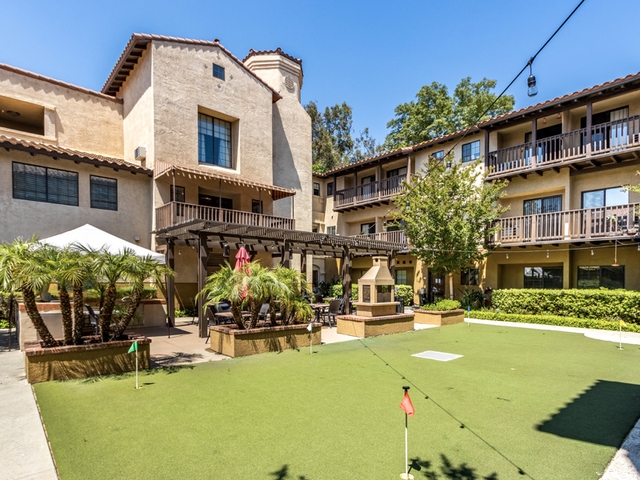
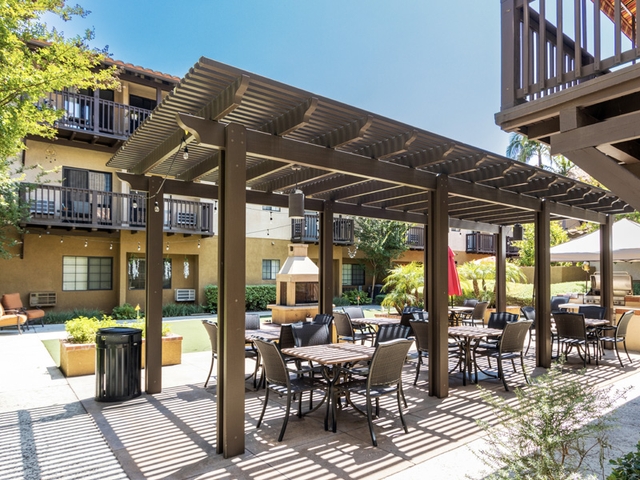
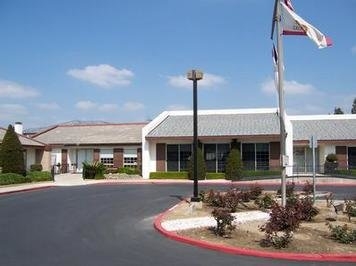
We found 2 continuing care communities near Las Vegas, NV. Read reviews, check ratings and pricing, get contact information, and learn about housing options, amenities, and events offered by browsing the Las Vegas CCRCs listed below.
CaringScore
CaringScore for Las Vegas, NV
CaringScore was designed to help millions of Americans find the best places to retire, age in place, or receive eldercare. The CaringScore for continuing care retirement communities in Las Vegas was based on more than 50 factors in three key categories: health, cost, and livability. By compiling and analyzing this data, Caring.com is able to rate the quality of life you or a loved one might expect should you choose continuing care retirement communities in Las Vegas.
A CaringScore can range from 1 (worst) to 10 (best), and provides a quick way to compare cities, counties, and even specific zip codes. With a CaringScore of 4.6, Las Vegas is on par with the national average for those seeking continuing care retirement communities.
The charts below highlight a few of the factors we used to calculate the CaringScore for Las Vegas. Choose a category score to learn more.
HealthScore for Las Vegas, NV
HealthScore, a component of the overall CaringScore for continuing care retirement communities in Las Vegas, rates a region on a scale of 1 (less healthful) to 10 (more healthful). It's specifically tailored to anyone looking for continuing care retirement communities. The HealthScore for Las Vegas is based on the availability of healthcare resources, air and water quality, the overall health of the local population, and other key factors. With a HealthScore of 5, Las Vegas is on par with the national average for those seeking continuing care retirement communities.
Easy access to physicians -- especially geriatricians and other key specialists -- is important to older adults. At just 168.4 physicians per capita, Las Vegas trails the national average by 23.6 percent. Las Vegas scores about average in geriatricians per capita, with 1.4, and scores 19.5 percent below the national average in specialists per capita, with 15.7. These medical specialists include cardiologists, oncologists, and orthopedists. The average life expectancy from birth in Las Vegas is 76.9 years -- 1.3 percent lower than most of the country. The average life expectancy from birth in Las Vegas is 76.9 years -- 1.3 percent lower than most of the country. and water quality -- another key measure of Las Vegas's environmental health -- is 27.3 percent above average.
| Doctors Per Capita | Las Vegas, NV | Nat'l Avg |
|---|---|---|
| Physicians | 168.4 | 220.5 |
| Geriatricians | 1.4 | 1.3 |
| Cardiologists | 6.7 | 7.7 |
| Oncologists | 2.7 | 3.5 |
| Orthopedists | 4.8 | 7 |
CostScore for Las Vegas, NV
CostScore, part of the overall CaringScore for continuing care retirement communities in Las Vegas, rates the cost of living for older adults on a scale of 1 (more expensive) to 10 (less expensive). It's specifically tailored to people looking for continuing care retirement communities. The CostScore for Las Vegas is based on data such as the average monthly cost of continuing care retirement communities in the region, the cost of housing and healthcare, regional tax rates, and other key factors. With a CostScore of 4.3, the costs associated with continuing care retirement communities in Las Vegas are generally more expensive than the national average.
Because of the broad range of housing, service, and healthcare options available at continuing care retirement communities, no average monthly cost data is available for Las Vegas. The entry fee or purchase price for an independent living community can range from $50,000 to $500,000 or more, and typically requires an additional monthly service fee of $1,000 to $3,000 on average. The cost of living indices below provide the best proxy for comparing costs of continuing care retirement communities in Las Vegas to the rest of the country. Overall, the cost of living for Las Vegas indexes at 9.0 percent higher than the national average. Average healthcare costs are 10.0 percent more expensive than the national average, and the cost of housing is 19.0 percent more expensive than average.
| Cost of Living | Las Vegas, NV |
|---|---|
| Aggregate Index | 109 |
| Healthcare Index | 110 |
| Housing Index | 119 |
| Food Index | 104 |
| Utilities Index | 92 |
| Transportation Index | 105 |
LivabilityScore for Las Vegas, NV
LivabilityScore makes up part of the overall CaringScore for continuing care retirement communities in Las Vegas. On a scale of 1 (less livable) to 10 (more livable), it's a rating of the quality of life in a region, specifically tailored to those looking for continuing care retirement communities. The LivabilityScore for Las Vegas is based on weather, crime rates, economic factors, average age of the population, and other key demographics. With a LivabilityScore of 4.4, Las Vegas rates below average for continuing care retirement communities.
Weather is an important factor in choosing the best place for continuing care retirement communities. The sun shines an average of 294 days each year in Las Vegas, 43.4 percent more sunny days than the rest of the U.S. sees. With an average temperature of 32°F in January, winters tend to be milder in Las Vegas than in other parts of the country, and summers are often hotter than other places, averaging 106°F in July.
Local crime rates are another important indicator. The violent crime rate in Las Vegas is 100.0 percent higher than the national average, and the property crime rate is 50.0 percent higher than average. At $56,041 per year, the population of Las Vegas earns a median household income on par with the national average. Las Vegas has an unemployment rate of 13.70 percent, roughly 50.5 percent higher than the national average. And about 11.62 percent of the population in Las Vegas is of retirement age -- 65 or older -- which trails the national average by 11.7 percent.
| Amenities Per Capita | Las Vegas | "Nat'l Avg" |
|---|---|---|
| Parks | 6.4 | 136.1 |
| Libraries | 1.9 | 18.8 |
| Places of Worship | 35.4 | 220.5 |
| Public Transit | 180.7 | 110.4 |
| Grocery Stores | 171.3 | 97.7 |
| Pharmacies | 25.3 | 13.8 |
Find Continuing Care Retirement Communities Nearby
More Information About Continuing Care Retirement Communities
-
Dreamy Senior Living
Article - Senior living options are changing -- and some of the options available are downright dreamy. Don't put off your senior living planning. Get inspired. - Senior living options are changing -- and some of the options available are downright dreamy. Don't put off your senior living planning. Get inspired. -
Gay and Lesbian Seniors Find Housing Niche
BlogPost - Gay and lesbian seniors often report discrimination in retirement communities. Gay and lesbian-targeted retirement communities are a popular new alternative. - Gay and lesbian seniors often report discrimination in retirement communities. Gay and lesbian-targeted retirement communities are a popular new alternative. -
Can you be evicted from a long term care facility?
Question - This is a great question. If your loved one resides in an assisted living or independent apartment and becomes unable to pay the bill, and if family cannot step in to cover the cost, he or she will be asked to leave. If he or she does not leave, the facility may begin the eviction process.