.png&w=256&q=75)
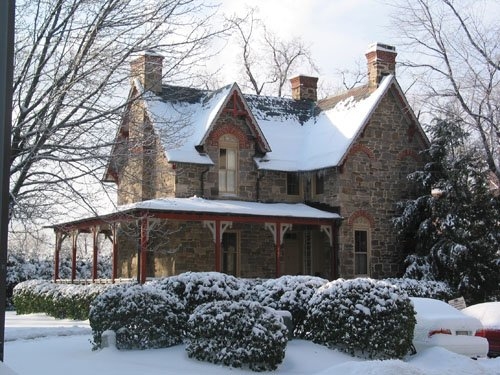
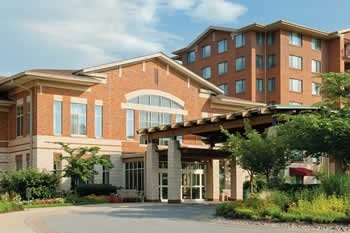
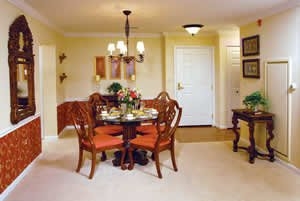
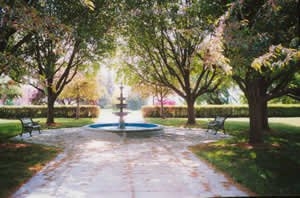
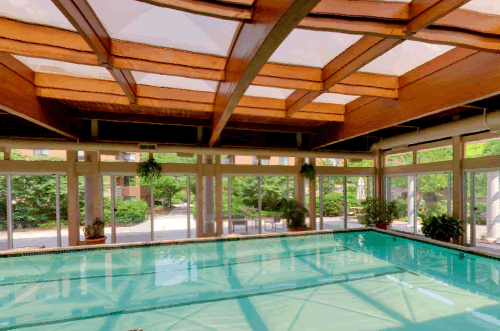
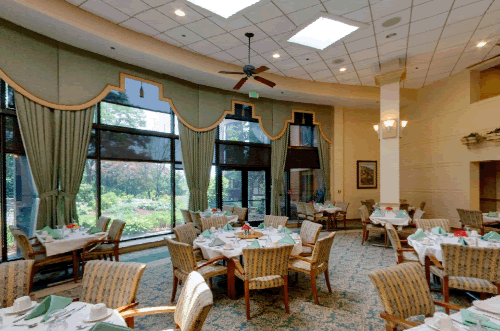
Roland Park Place
830 West 40Th Street, Baltimore, MD, 21211
4.8
(24 reviews)
"Wow Roland Park Place is the best-kept secret in Baltimore. The community and the staff are the real-deal. Quality exceeds expectations. ..."
READ MOREAlso serving communities of Catonsville, Glen Arm, Columbia, Chestertown.
There are 9 Continuing Care Retirement Communities in the Baltimore area, with 4 in Baltimore and 5 nearby.
To help you with your search, browse the 104 reviews below for continuing care retirement communities in Baltimore. On average, consumers rate continuing care retirement communities in Baltimore 5 out of 5 stars. Better rated regions include Towson with an average rating of 4.81 out of 5 stars.
Caring.com has helped thousands of families find high-quality senior care. To speak with one of our Family Advisors about continuing care retirement community options and costs in Baltimore, call (855) 948-3865.
9 Results
830 West 40Th Street, Baltimore, MD, 21211

4.8
(24 reviews)
"Wow Roland Park Place is the best-kept secret in Baltimore. The community and the staff are the real-deal. Quality exceeds expectations. ..."
READ MORE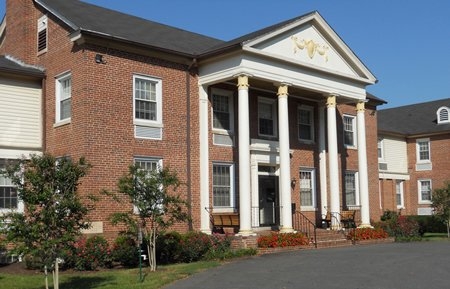
6825 Campfield Rd., Baltimore, MD, 21207
4.8
(6 reviews)
"It was clean. The people were friendly. The atmosphere was very nice. We were pleased with that one, and if we had to do anything, we would totally consider that one as one of the number one picks. We spoke to a couple of people there; they seemed to..."
READ MORE
725 Mount Wilson Lane, Baltimore, MD, 21208
4.3
(3 reviews)
"I was immediately impressed with North Oaks Retirement Community. They offer many options for residents from almost independent to constant supervision. The community provides a number of "apartments" where couples can live that offer the convenience..."
READ MORE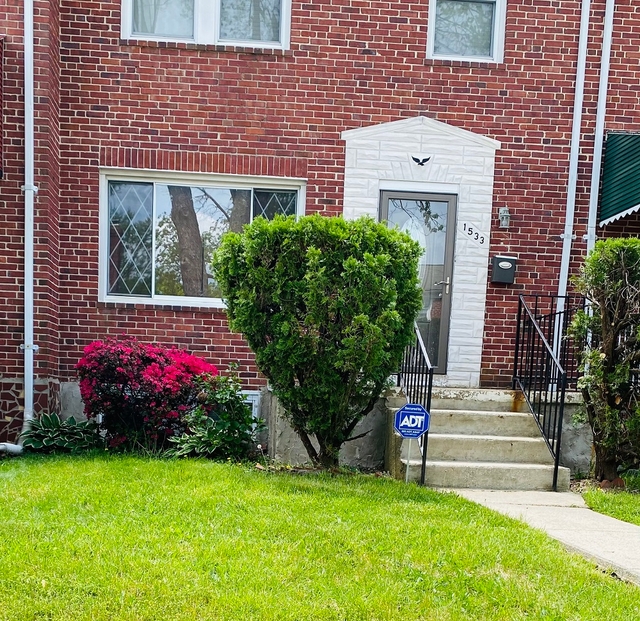
1533 Burnwood Rd, Baltimore, MD, 21239
"Peace and Prosperity Living is the preferred family-oriented provider offering value, choice, independence and dignity while promoting healt..."
READ MORE
8820 Walther Boulevard, Parkville, MD, 21234
4.2
(55 reviews)
"I am a resident of Oak Crest. I'm very satisfied, and everything is provided. You don't have to worry anymore about what's going to happen. My husband just died a month ago, and I know that I will be cared for as I deteriorate or get worse. I have a..."
READ MORE
715 Maiden Choice Lane, Catonsville, MD, 21228
4.3
(40 reviews)
"Charlestown was a very nice place. The rooms and amenities were very nice, and I didn't see anything I didn't like about it. It was a very large community. The staff was very knowledgeable and answered all of the questions. We had lunch, and the food..."
READ MORECaring's Family Advisors are here to help you with questions about senior living and care options.
1055 W. Joppa Road, Towson, MD, 21204
4.9
(7 reviews)
"Blakehurst Retirement Community was absolutely gorgeous. It was warm and fuzzy feeling with top-notch food and phenomenal staff. They were so warm and inviting, cordial, and delightful. The apartments were spectacular, and the grounds were gorgeous. ..."
READ MORE
800 Southerly Rd, Towson, MD, 21286
4.8
(6 reviews)
"Most people don’t do their homework. They don’t even know what questions to ask. We chose Edenwald after researching CCRC’s for 5 years. We had a matrix of our wants and needs and rated them on our visits. We learned what questions to ask. We ..."
READ MORE
400 Georgia Court, Towson, MD, 21204
3.7
(3 reviews)
"The Presbyterian Home of Maryland is a premier nursing home and assisted living community nestled in the beautiful Southland Hills neighborh..."
READ MOREContinuing Care Communities
TerrytheFan2
5
Review of Roland Park Place
Wow Roland Park Place is the best-kept secret in Baltimore. The community and the staff are the real-deal. Quality exceeds expectations.
Continuing Care Communities
Caring95530650
5
Review of Roland Park Place
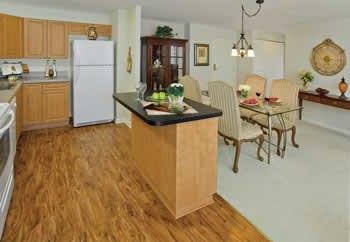
Our overall experience with Roland Park place is positive, and they seemed very friendly. The apartments were very spacious. They have a multitude of activities, and they’re very big on...
Continuing Care Communities
rpg1
5
Review of Roland Park Place
I have had the pleasure of visiting and staying at Roland Park Place on two occasions for multiple nights. "Caring, courteous and professional" would be my words for the entire staff. I was...