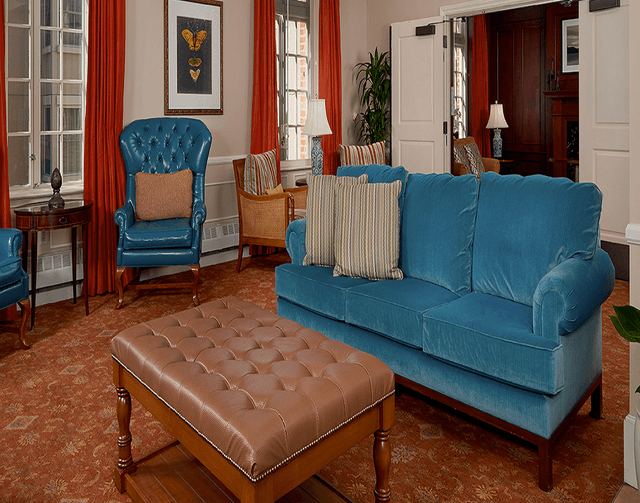
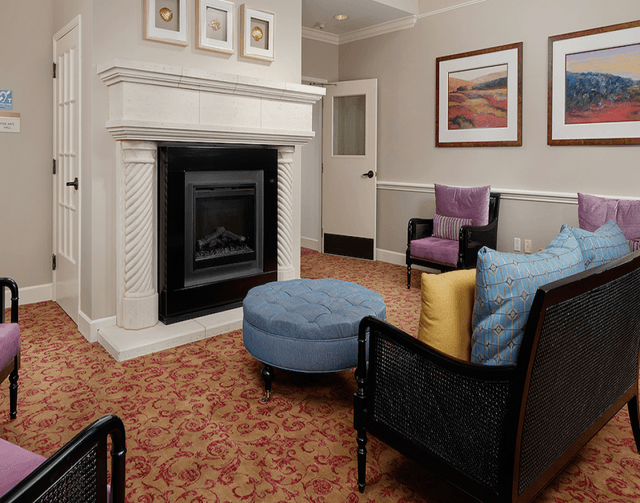
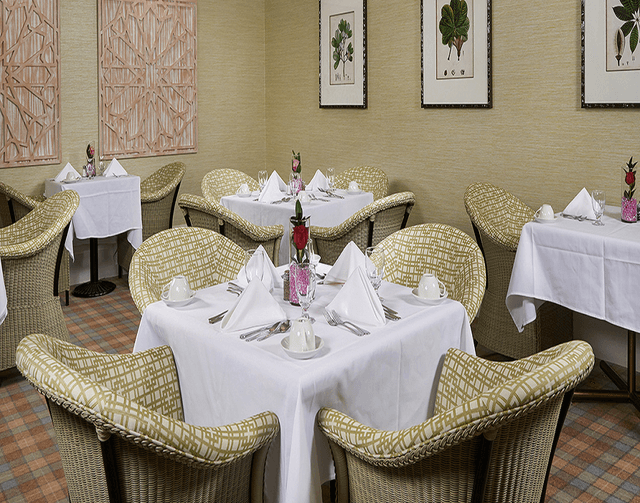
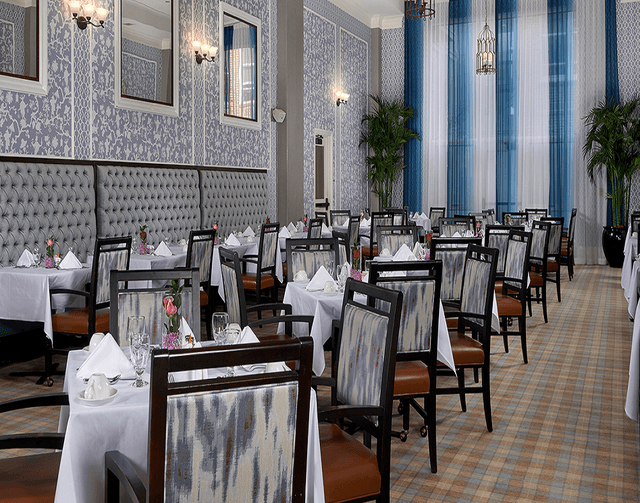
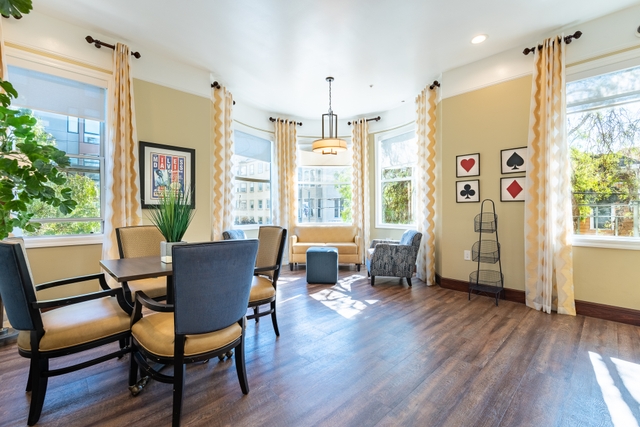
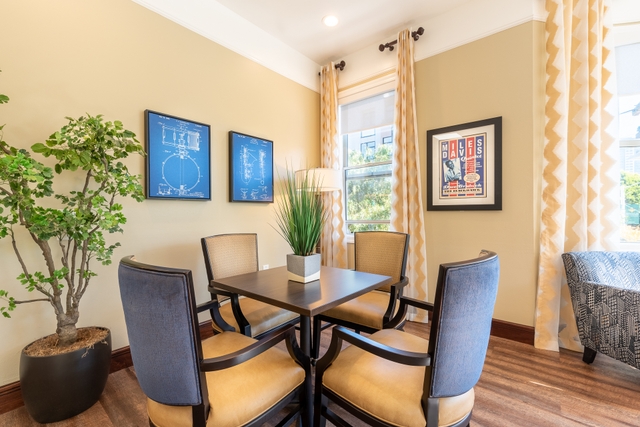
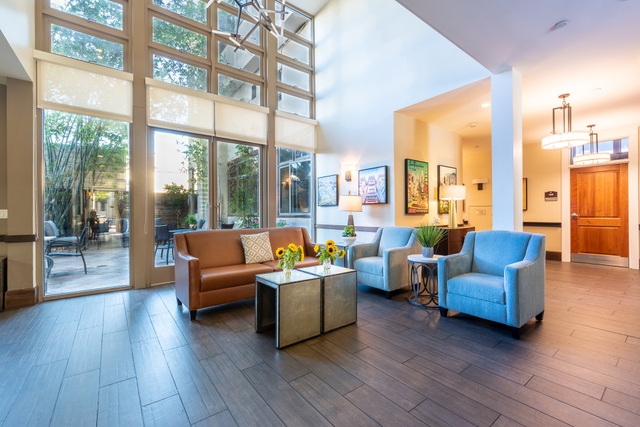
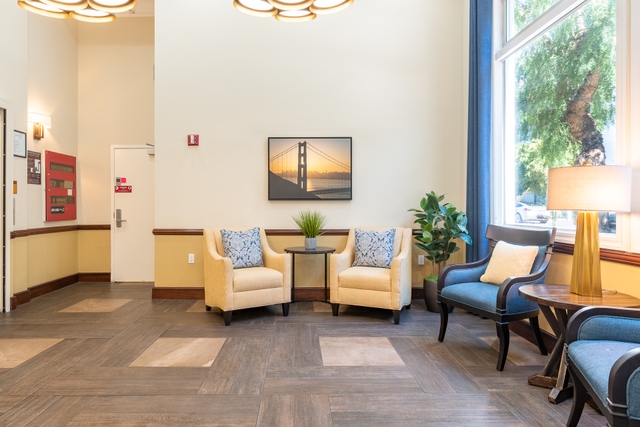
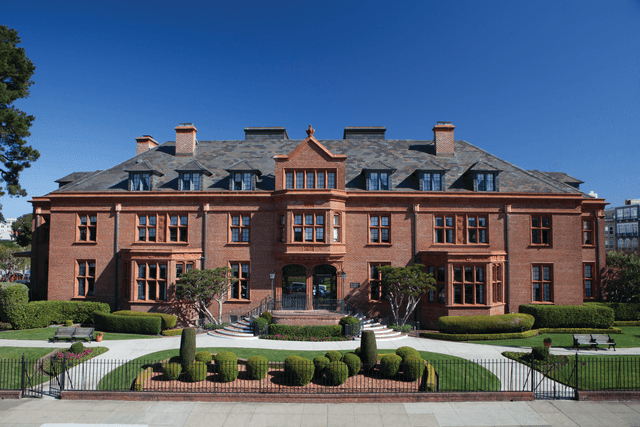
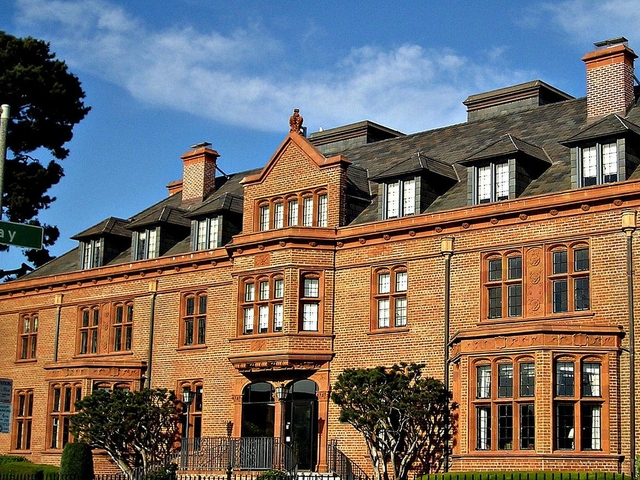
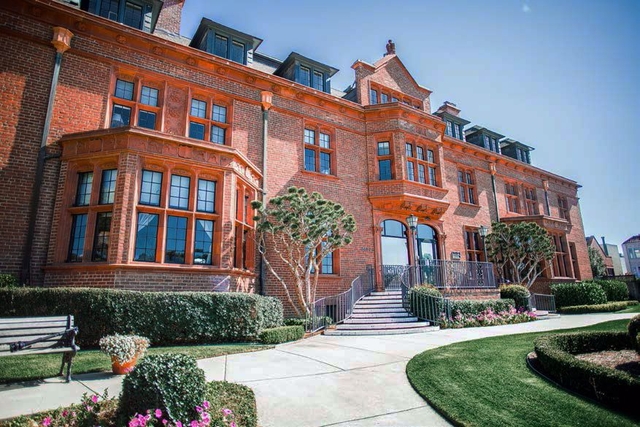
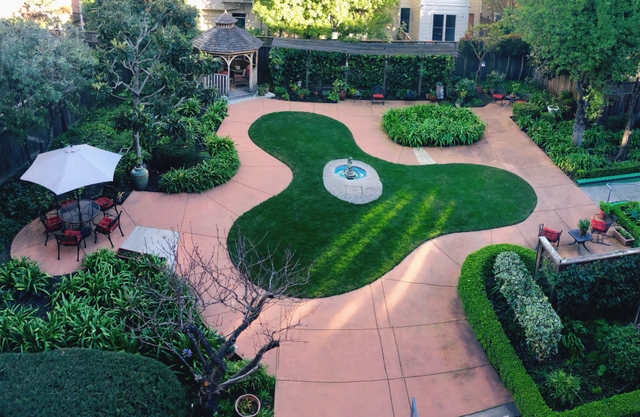
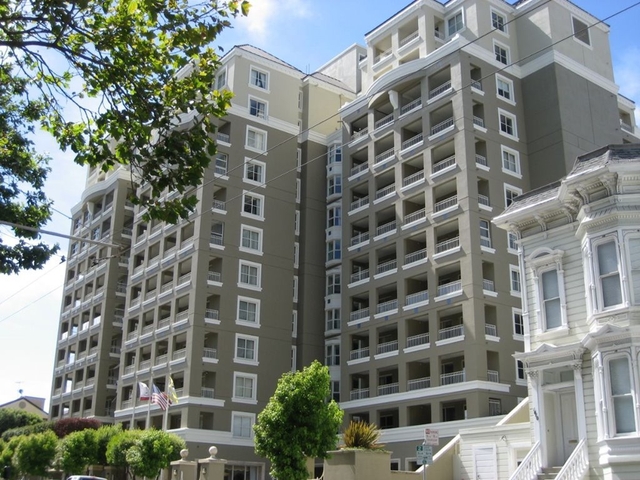
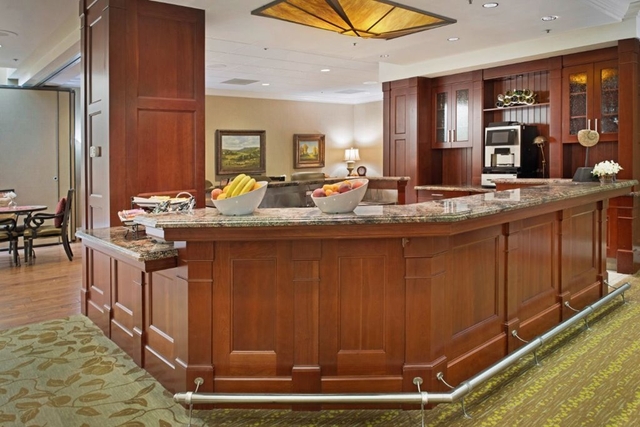
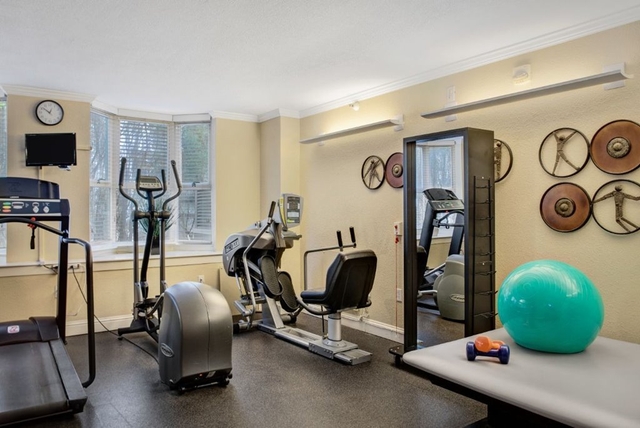
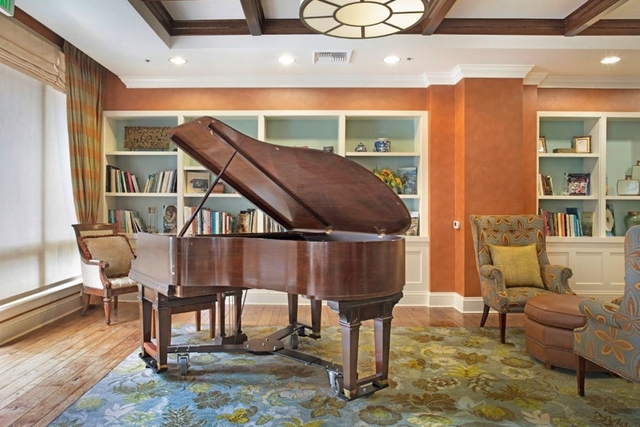
| Institute on Aging - San Francisco | 415-750-4111 | The Institute on Aging provides and coordinates a continuum of culturally sensitive care for older adults over 65. IOA CONNECT links seniors with programs and community services, including the Program of All-Inclusive Care for the Elderly (PACE), psychology and counseling services and caregiver training. The Multipurpose Senior Services Program (MSSP) provides skilled nurses and social workers to help chronically ill seniors remain in their homes. Clients can also find legal and financial assistance, including representative payee and trustee services. A Friendship Line is open 24/7 for nonemergency emotional support and crisis intervention. |
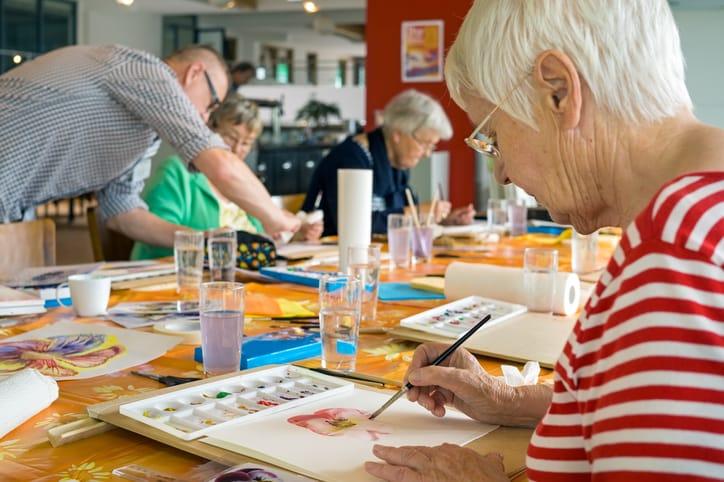
| Bayview Hunters Point Adult Day Health Care Center | 415-826-4774 | The Bayview Hunters Point Adult Day Health Care Center is a community resource that provides specialized care and support for older adults who would otherwise be homebound or isolated. The center offers a safe and stimulating environment where seniors can receive personal care assistance, nutritious meals and opportunities for social interaction. Some services offered include medication management, physical therapy sessions, counseling and nursing assistance. The center also provides recreational programming, including exercises, dance parties and arts and crafts. |
| Bayview Senior Connections | 415-822-1444 | Located in San Francisco, Bayview Senior Connections promotes the well-being of African American seniors by providing a wide range of essential social services and health care from its friendly, engaging community centers. The organization's Adult Day Health Center offers specialist health care including physical therapy, speech therapy and psychological counseling, alongside fun recreational activities such as fitness sessions, dance parties and special celebrations. Seniors can also enjoy tasty and healthy hot meals, courtesy of Bayview Senior Connections' popular nutrition program. |
| OMI (Oceanview, Merced Heights, and Ingleside) Senior Center | 415-334-5550 | The San Francisco Department of Human Services supports OMI, the Oceanview, Merced Heights and Ingleside senior center. OMI offers congregate meals, senior-oriented social activities and caregiver support and education during operating hours, which run from Monday to Friday from 8:30 a.m. to 3:00 p.m. Services are open to seniors aged 60 and over who register as members. Meals are a suggested $2 for seniors, though this can be waived. Visitors must wear masks and provide proof of vaccination. |
| Stepping Stone Senior Centers - San Francisco | 415-359-9210 | SteppingStone provides health care and social support to seniors living with chronic conditions or disabilities. Located in San Francisco, CA, this adult day health care facility develops care plans for each participant based on their needs, promoting their independence and overall well-being. During each 4-hour visit, seniors may receive physical therapy, wellness checks, medication management, nutritious meals and social support. SteppingStone provides services in a variety of languages, including English, Cantonese, Mandarin, Spanish, Korean and Vietnamese. |
| Golden State Adult Day Health Care (ADHC) | 415-387-2750 | Golden State Adult Day Health Care provides a safe and caring environment to help seniors stay healthy and active. Older adults needing treatment and support for physical or mental conditions may access physical, speech and massage therapies, nutrition and psychological counseling, medication management and nursing services. Nutritious meals and organized activities are also provided. Residents of San Francisco, San Mateo, Pacifica, Daly City and parts of Oakland may register for the program. |
| Mission Neighborhood Centers | 415-206-7752 | Seniors living in the San Francisco area can take part in an array of engaging group activities and wellness initiatives organized by Mission Neighborhood Centers. Available at locations throughout the city, these activities include music lessons, arts and crafts workshops, karaoke, exercise classes, computer literacy classes, social outings, health screenings and nutrition counseling. Older adults and adults with disabilities can also socialize and enjoy healthy congregate meals together on weekdays from 12 to 1 p.m. |
| San Francisco Senior Centers | 415-202-7805 | There are two San Francisco senior centers catering to adults with disabilities and seniors aged 60 or older. One in Aquatic Park is open on weekdays, and the other in the downtown area is open daily. Buses are available to access both locations. Seniors can participate in exercise classes, share a meal with friends, meditate, learn ceramics or engage in many other activities. Assistance with sometimes challenging tasks, such as filling out applications or getting referrals, is also available. |
| Self Help for the Elderly - Geen Mun Senior Center | 415-677-7600 | Self-Help for the Elderly assists seniors aged 60 and above in the Chinatown community of San Francisco through the Geen Mun Senior Center on Stockton Street. They're open Monday through Saturday, serving fresh, nutritious meals each day. Activities such as tai chi, yoga and educational workshops keep seniors engaged and interacting with other senior center members. Blood pressure monitoring is also provided as part of the effort to promote continued independence and ensure wellness. |
| Toolworks' ADRC | 415-733-0990 | Toolworks' Aging and Disability Resource Center is a senior center in San Francisco that acts as a single point of focus for seniors and low-income San Franciscans seeking social services and community support. Seniors aged 55 and over, or adults of any age with a disability, can visit the center for help signing up for affordable housing, SNAP, vouchers for public transportation and other assistance programs. Expert case management is also available, as are ASL services for the deaf. |
.png&w=256&q=75)