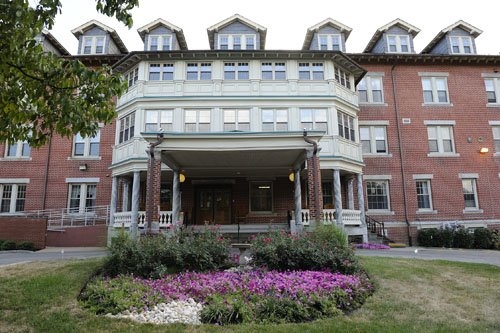
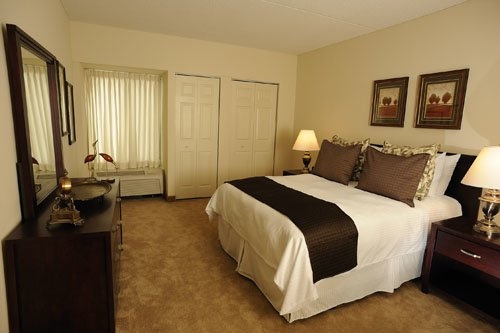
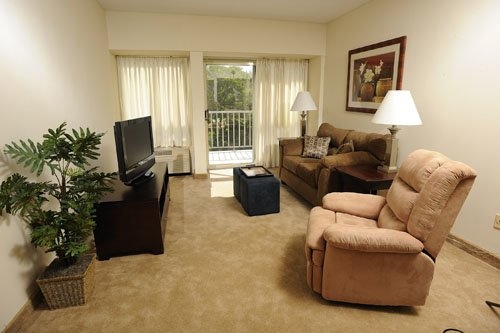
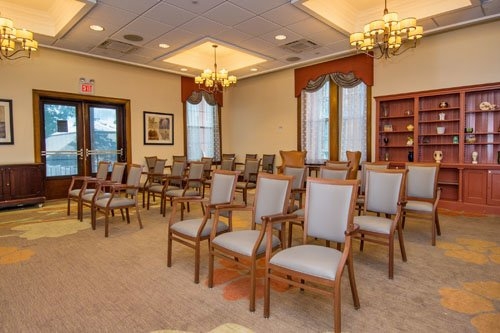
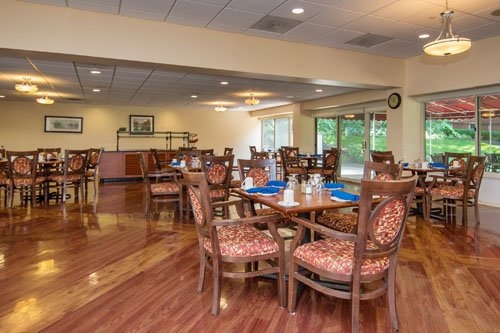
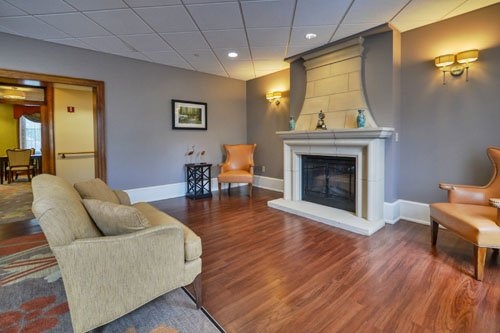
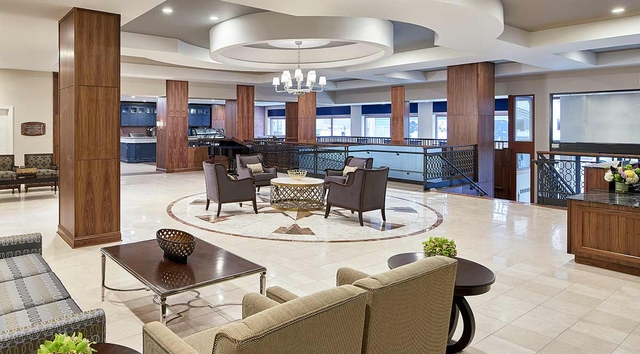
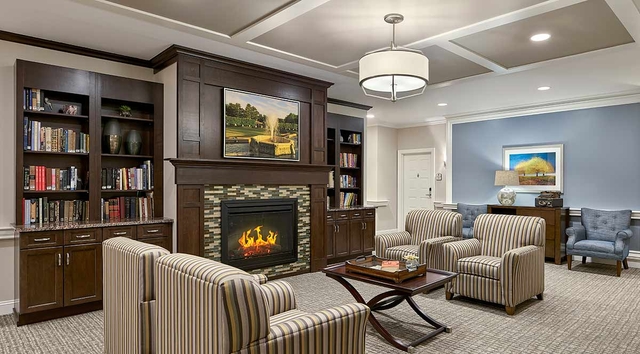
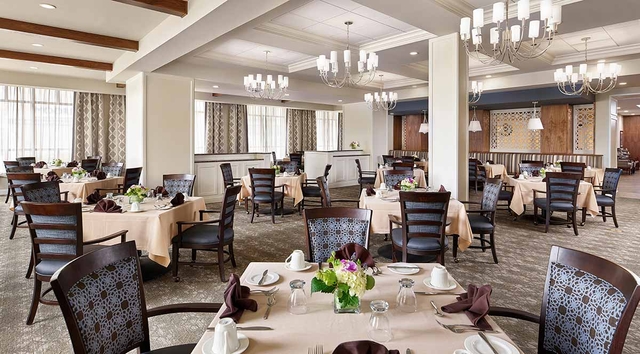
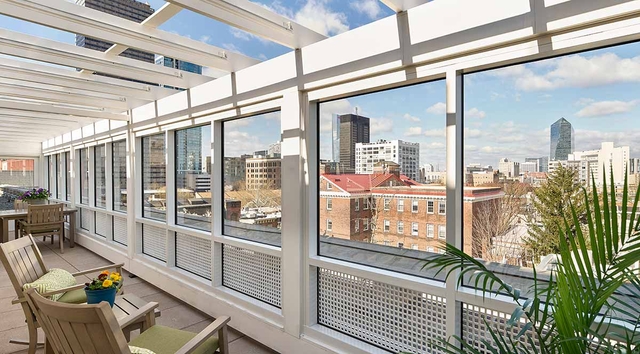
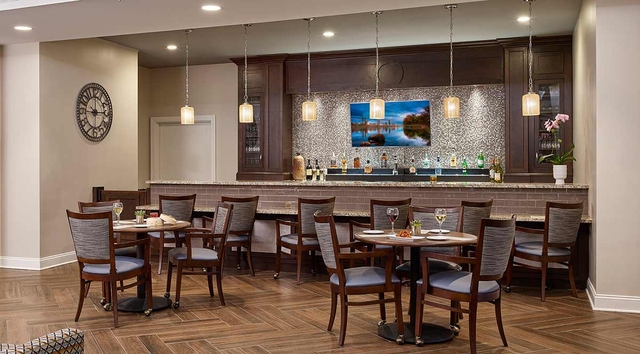
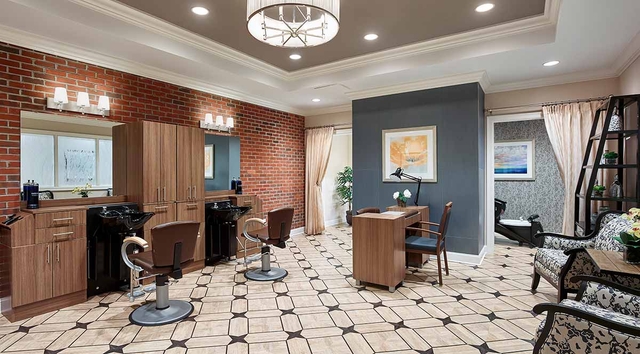
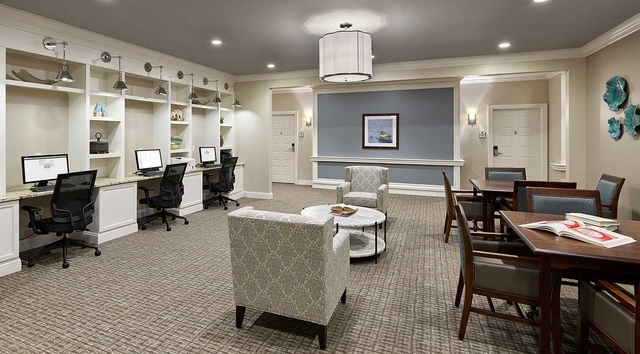
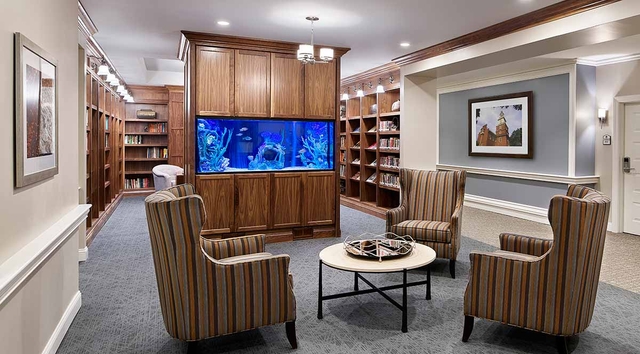
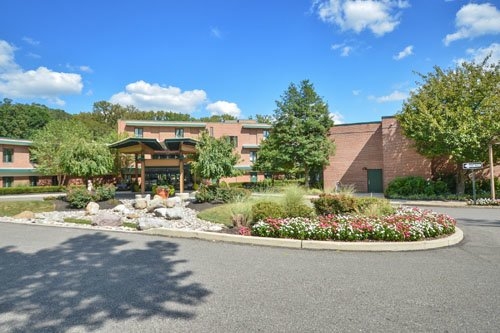
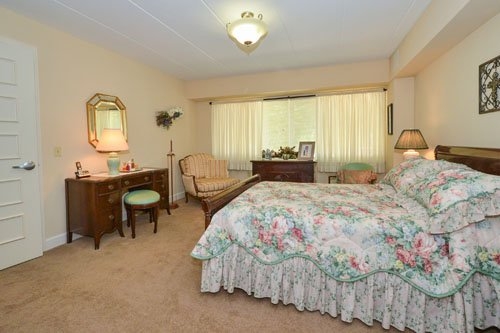
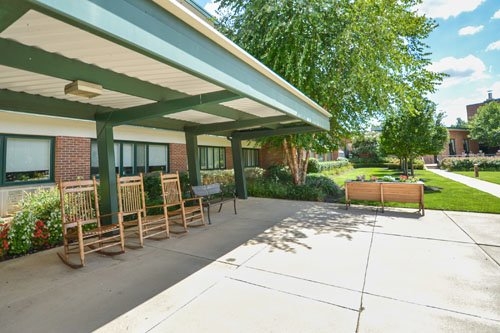
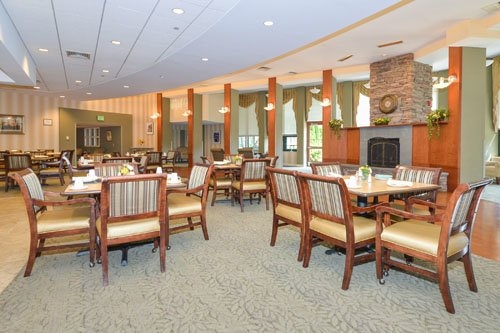
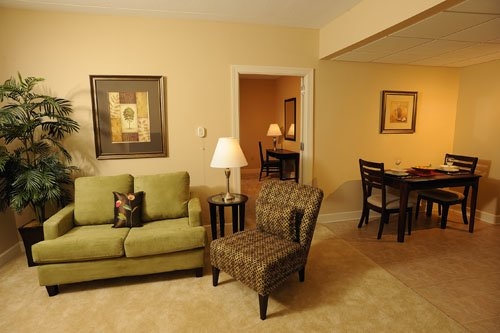
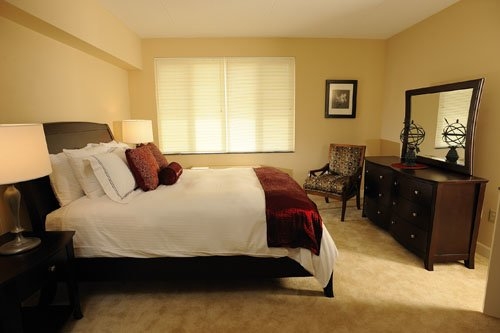
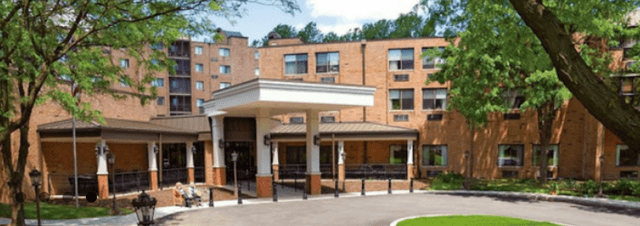
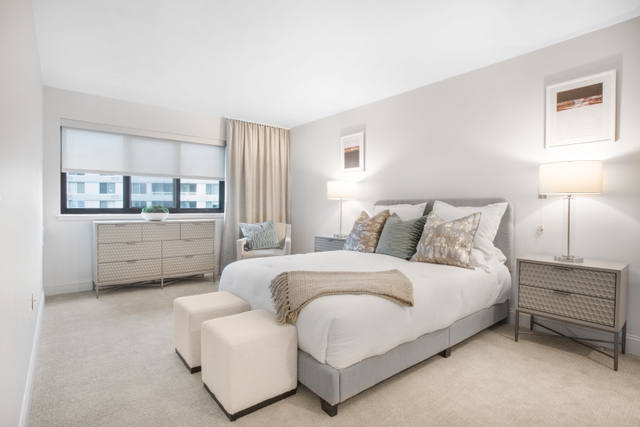
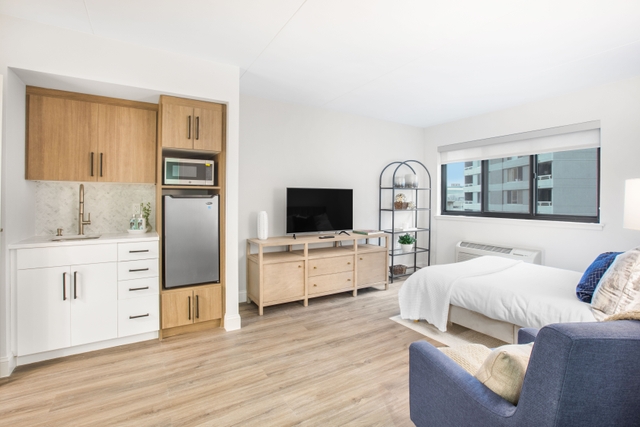
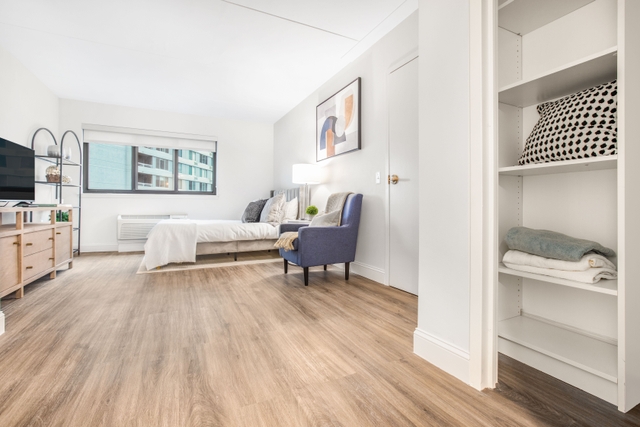
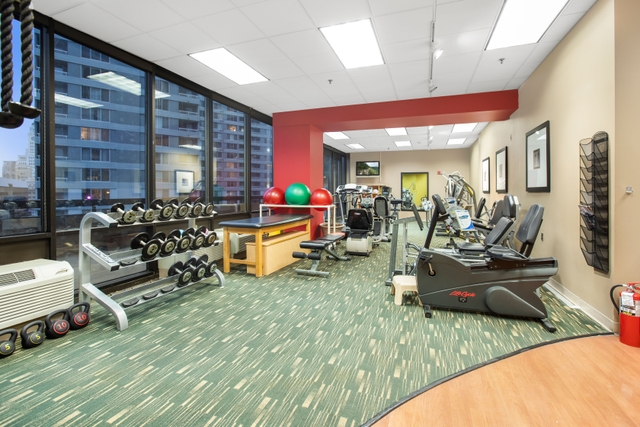
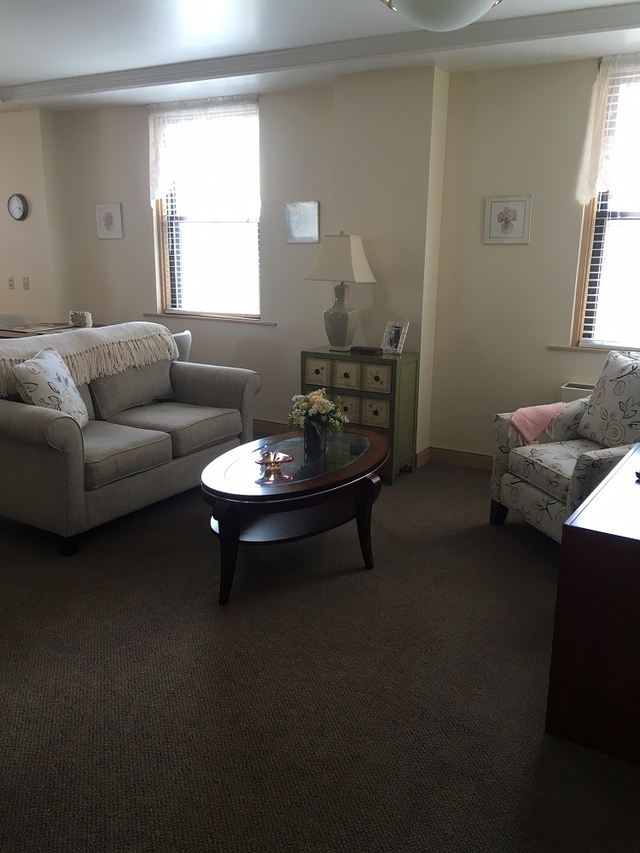
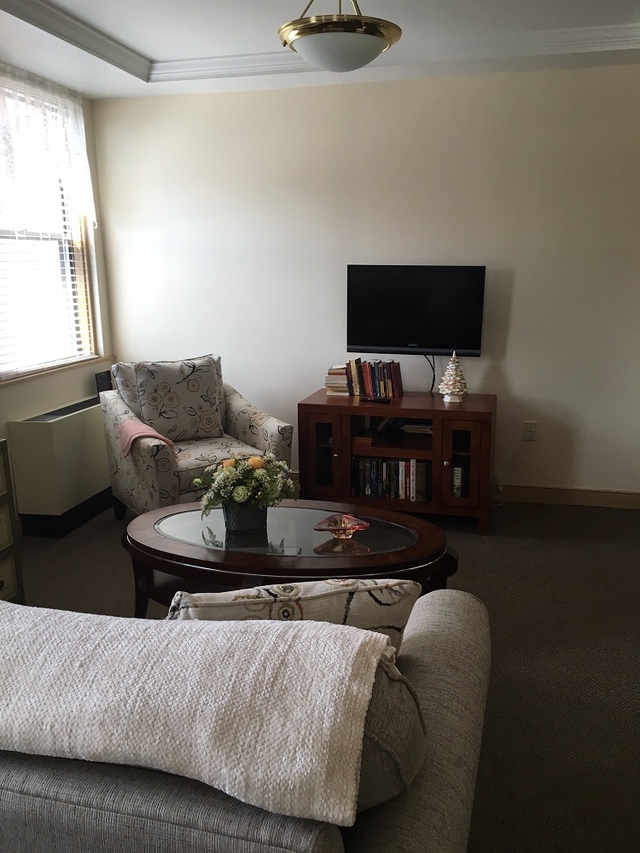
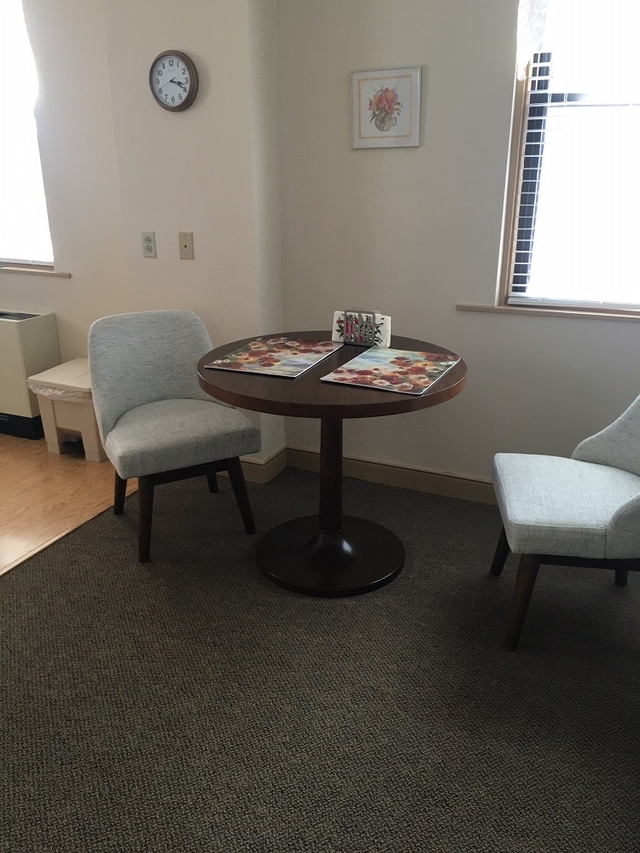
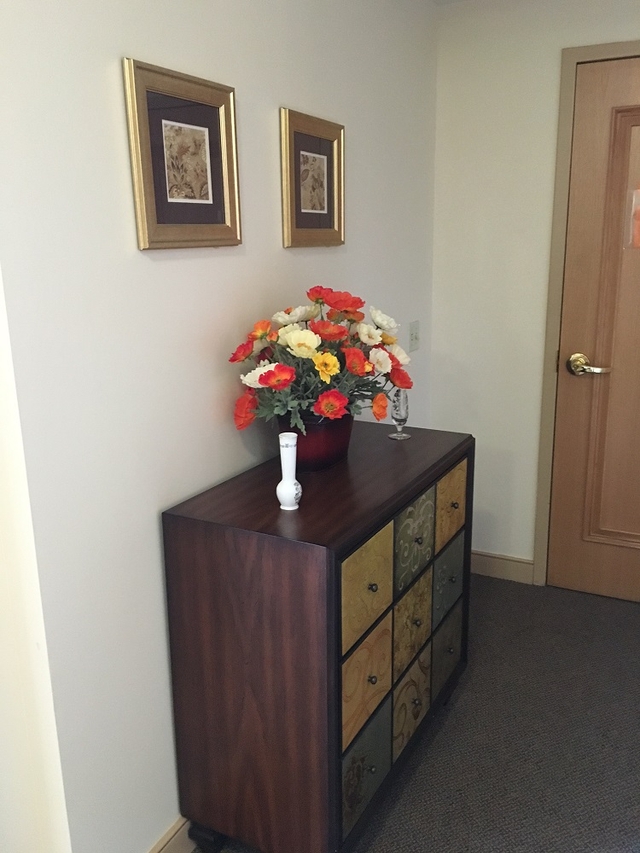
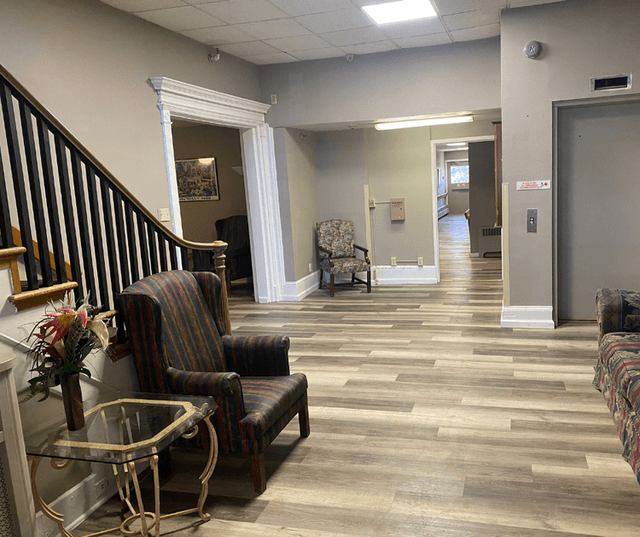
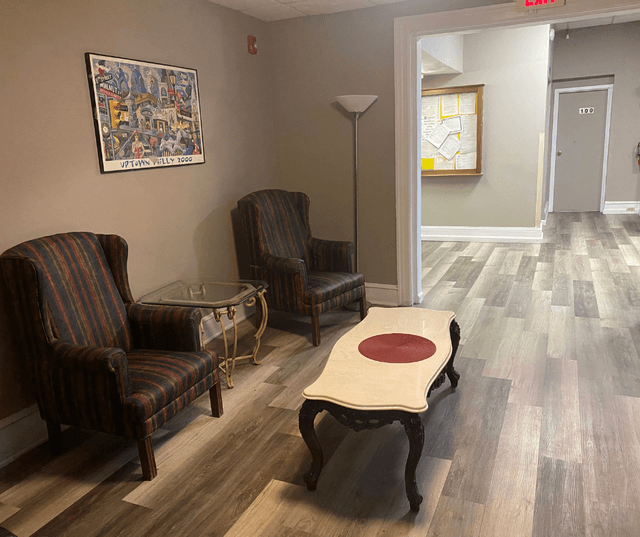
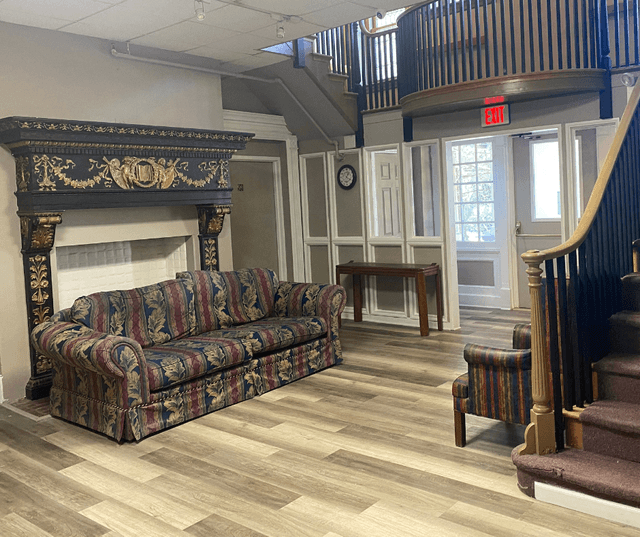
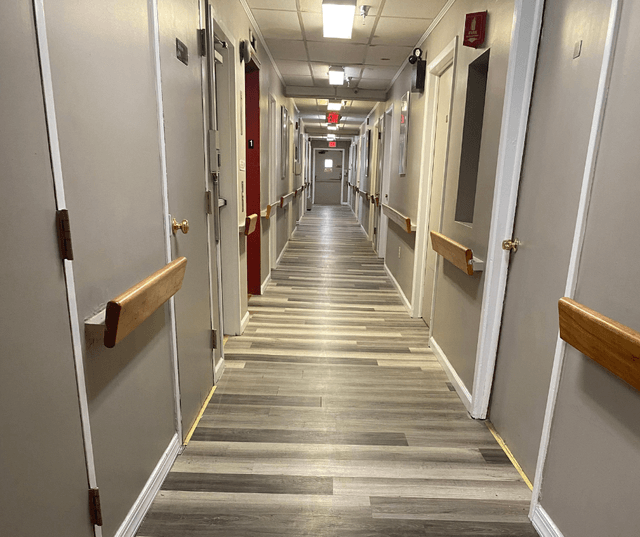
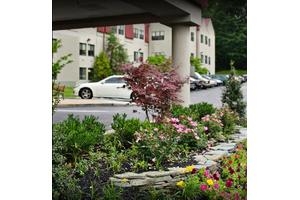
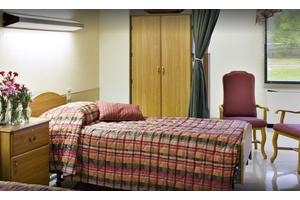
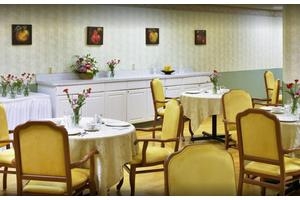
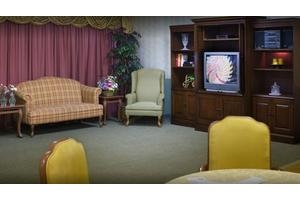
Philadelphia is known as the City of Brotherly (and sisterly) Love, so it shouldn't be surprising that the greater Philadelphia area, including western New Jersey, has well over 100 assisted living facilities that provide a safe and secure environment and help residents with the activities of daily life. These facilities range in size, cost, and location, from the large Watermark at Logan Square, offering different levels of care right in the center of the city, to the much smaller Rose Tree Place, situated in the quiet woodlands of Media, Pennsylvania, some 30 minutes outside the city.
-
Sponsored Result
The Watermark At Logan SquarePhiladelphia, PA 19103"Watermark is a very well-kept facility. My mother has a small one-bedroom unit there that she cou..." more -
Sponsored Result
Atria Center CityPhiladelphia, PA 19103"As a relative of a resident at the Atria, I have spent a lot of time there, slept there eaten the..." more -
-
-
-
-
-
-
-
-
-
-
-
-
-
-
-
-
-
-
-
-
-
-
CaringScore
CaringScore for Philadelphia, PA
CaringScore was designed to help millions of Americans find the best places to retire, age in place, or receive eldercare. The CaringScore for assisted living facilities in Philadelphia was based on more than 50 factors in three key categories: health, cost, and livability. By compiling and analyzing this data, Caring.com is able to rate the quality of life you or a loved one might expect should you choose assisted living facilities in Philadelphia.
CaringScore can range from 1 (worst) to 10 (best), and provides a quick way to compare cities, counties, and even specific zip codes. With a CaringScore of 3.9, Philadelphia rates below average for those seeking assisted living facilities.
The charts below highlight a few of the factors we used to calculate the CaringScore for Philadelphia. Choose a category score to learn more.
HealthScore for Philadelphia, PA
HealthScore, a component of the overall CaringScore for assisted living facilities in Philadelphia, rates a region on a scale of 1 (less healthful) to 10 (more healthful). It's specifically tailored to anyone looking for assisted living facilities. The HealthScore for Philadelphia is based on the availability of healthcare resources, air and water quality, the overall health of the local population, and other key factors. With a HealthScore of 5.5, Philadelphia is on par with the national average for those seeking assisted living facilities.
Easy access to physicians -- especially geriatricians and other key specialists -- is important to older adults seeking assisted living facilities. At 260.5 physicians per capita, Philadelphia scores 18.1 percent better than the national average. Philadelphia scores 130.8 percent better than the national average in geriatricians per capita, with 3, and scores 44.6 percent better than the national average in specialists per capita, with 28.2. These medical specialists include cardiologists, oncologists, and orthopedists. The average life expectancy from birth in Philadelphia is 73.7 years -- 5.4 percent lower than most of the country. The average life expectancy from birth in Philadelphia is 73.7 years -- 5.4 percent lower than most of the country. and water quality -- another key measure of Philadelphia's environmental health -- trails the national average by 98.2 percent.
| Doctors Per Capita | Philadelphia, PA | Nat'l Avg |
|---|---|---|
| Physicians | 260.5 | 220.5 |
| Geriatricians | 3 | 1.3 |
| Cardiologists | 11.9 | 7.7 |
| Oncologists | 7.3 | 3.5 |
| Orthopedists | 6 | 7 |
CostScore for Philadelphia, PA
CostScore, part of the overall CaringScore for assisted living facilities in Philadelphia, rates the cost of living for older adults on a scale of 1 (more expensive) to 10 (less expensive). It's specifically tailored to people looking for assisted living facilities. The CostScore for Philadelphia is based on data such as the average monthly cost of assisted living facilities in the region, the cost of housing and healthcare, regional tax rates, and other key factors. With a CostScore of 2.8, the costs associated with assisted living facilities in Philadelphia are generally more expensive than the national average.
The average monthly cost for assisted living facilities in Philadelphia is $4,678 , which is 43.5 percent more expensive than the rest of the country. Overall, the cost of living for Philadelphia indexes at 6.0 percent higher than the national average. Average healthcare costs are 8.0 percent more expensive than the national average, and the cost of housing is 32.0 percent less expensive than average.
| Cost of Living | Philadelphia, PA |
|---|---|
| Aggregate Index | 106 |
| Healthcare Index | 108 |
| Housing Index | 68 |
| Food Index | 128 |
| Utilities Index | 132 |
| Transportation Index | 108 |
LivabilityScore for Philadelphia, PA
LivabilityScore makes up part of the overall CaringScore for assisted living facilities in Philadelphia. On a scale of 1 (less livable) to 10 (more livable), it's a rating of the quality of life in a region, specifically tailored to those looking for assisted living facilities. The LivabilityScore for Philadelphia is based on weather, crime rates, economic factors, average age of the population, and other key demographics. With a LivabilityScore of 3, Philadelphia rates below average for assisted living facilities.
Weather is an important factor in choosing the best place for assisted living facilities. The sun shines an average of 207 days each year in Philadelphia, which is about average in the U.S. With an average temperature of 26°F in January, winters tend to be milder in Philadelphia than in other parts of the country, and summers are often hotter than other places, averaging 88°F in July.
Local crime rates are another important indicator. The violent crime rate in Philadelphia is 125.0 percent higher than the national average, and the property crime rate is 50.0 percent higher than average. At $37,433 per year, the population of Philadelphia earns a lower than average median household income. Philadelphia has an unemployment rate of 9.90 percent, roughly 8.8 percent higher than the national average. And about 13.08 percent of the population in Philadelphia is of retirement age -- 65 or older -- which matches the national average.
| Amenities Per Capita | Philadelphia | "Nat'l Avg" |
|---|---|---|
| Parks | 0.8 | 136.1 |
| Libraries | 3.8 | 18.8 |
| Places of Worship | 57.7 | 220.5 |
| Public Transit | 330.8 | 110.4 |
| Grocery Stores | 111.1 | 97.7 |
| Pharmacies | 15.5 | 13.8 |
Find Assisted Living Facilities Nearby
More Information About Assisted Living Facilities
-
Alzheimer's Moments: Memories From a Caregiver's Diary
Article - His mother's greatest fear was a nursing home -- but ultimately, author Gavin Dougherty chose to move her to assisted living. Learn about his journey and why he shared his story - ...the toll caregiving took on his own well-being. He also candidly discusses the reasons behind his difficult decision to move his mother to assisted living. We asked Dougherty to tell us more about his personal story and what inspired him to share it with others. Your book is based on a di... -
My parents, who have dementia, flat-out refuse to move into assisted living. How do I get them to move without making them hate me?
BlogPost - Advice on how to move parents with dementia into assisted living when they don't want to move. - ...y father ticked his doctor off, and the doctor sent social services to their house. Now everyone (including me) agrees they need to go into assisted living, most likely a "memory care" section. But they refuse to move and are nasty when I try to discuss it with them. They firmly beli... -
Are there facilities that we can place my schizophrenic mother?
Question - ...ever, she is unable to take care of herself, or all the medication she's required to take on a regular basis. Is there a safe place like an assisted living facility that she can go to? I'm not sure if she qualifies for such places.