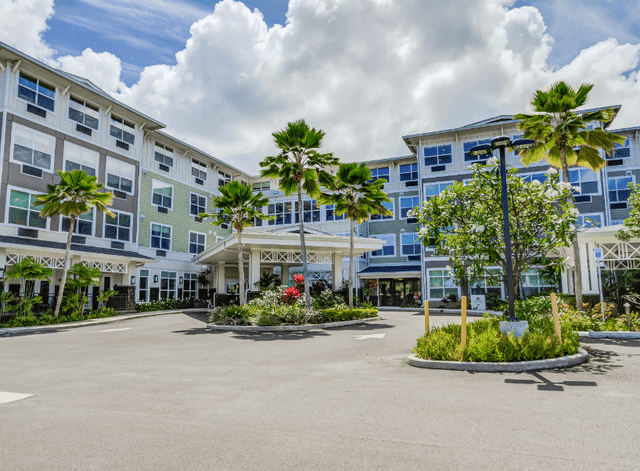
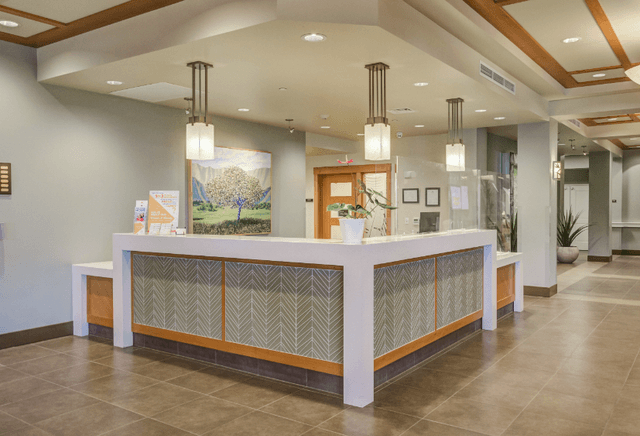
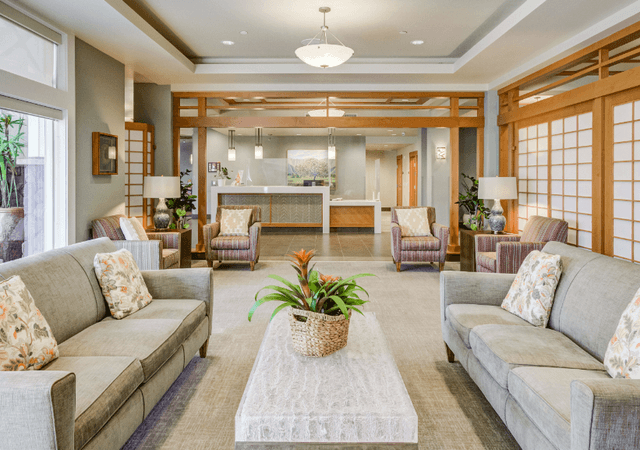
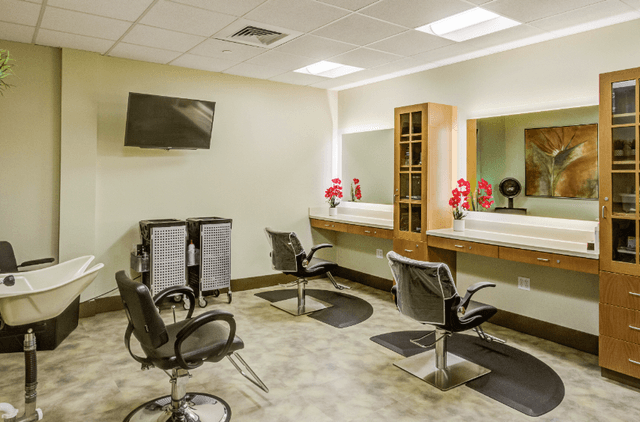
Assisted Living Facilities in Hawaii
Caring.com can help you find the best Assisted Living Facility in Hawaii. Read reviews, compare ratings, check prices and more with our comprehensive directory of Assisted Living Facilities.
A Caregiver's Guide to Assisted Living Facilities in Hawaii
What they're called
Official name: Assisted Living Facilities
Common name: Assisted living facilities
To compare assisted living to board and care, skilled nursing, and other long-term residential care communities, see Residential Care Options: How to Decide.
What they offer
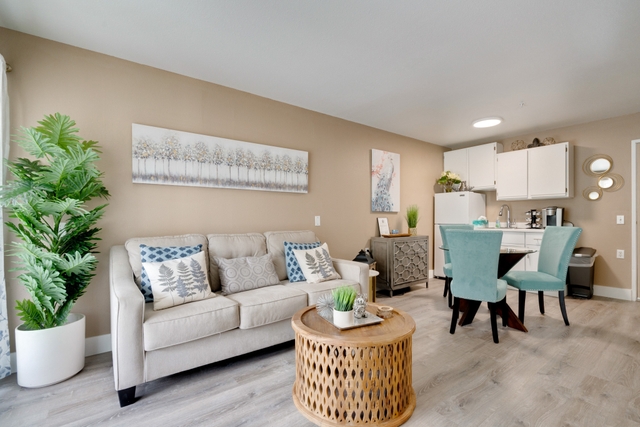
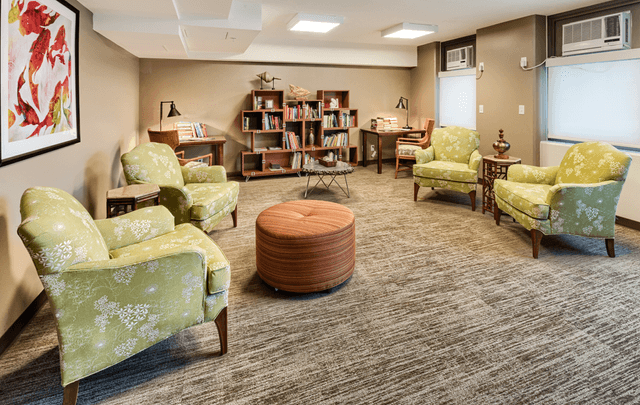
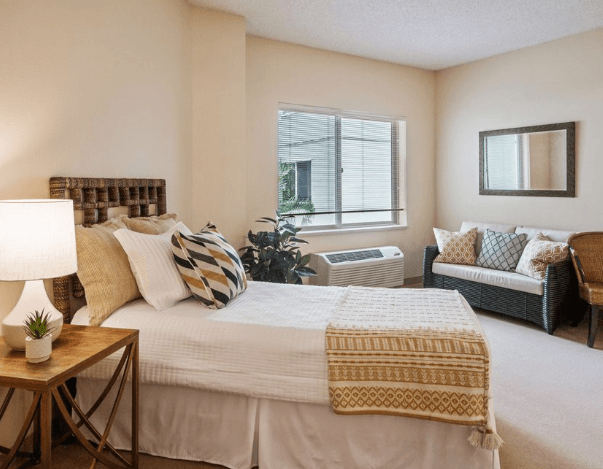
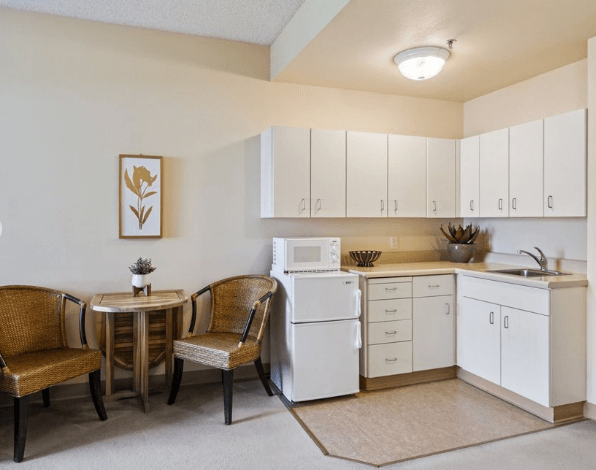
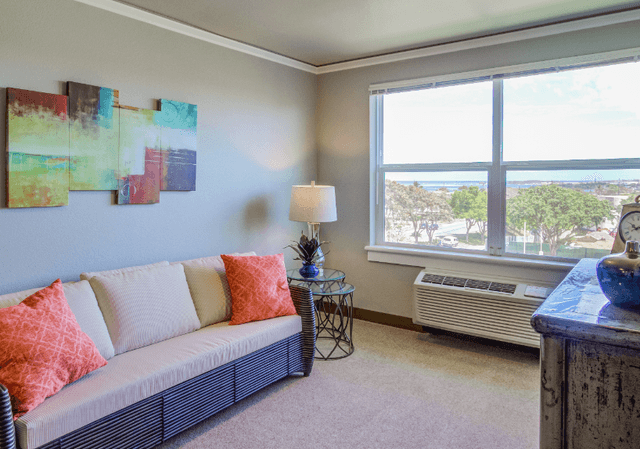
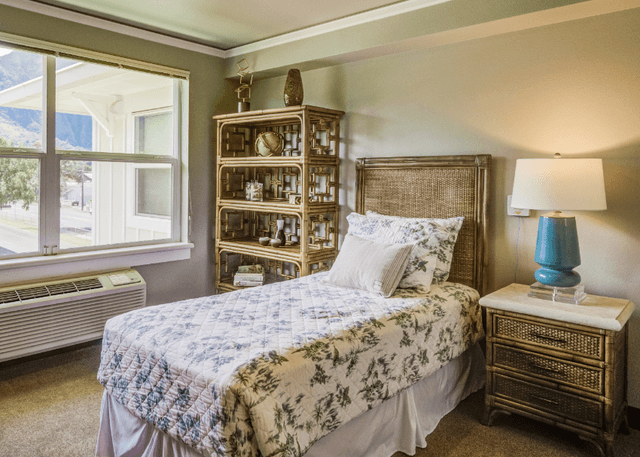
- Individual living units (from single rooms to multiroom apartments) with cooking facilities and separate bathroom for each unit
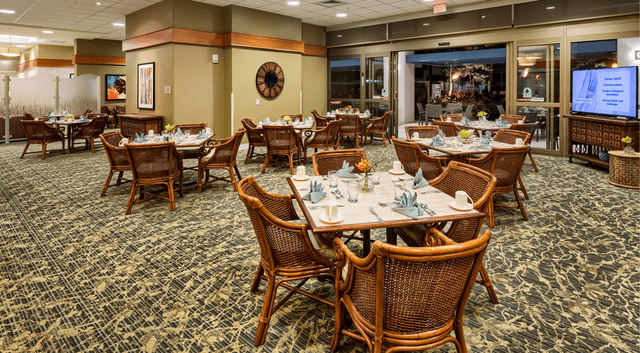
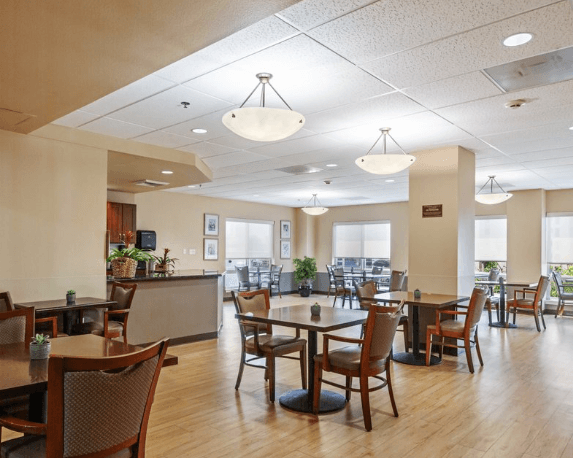
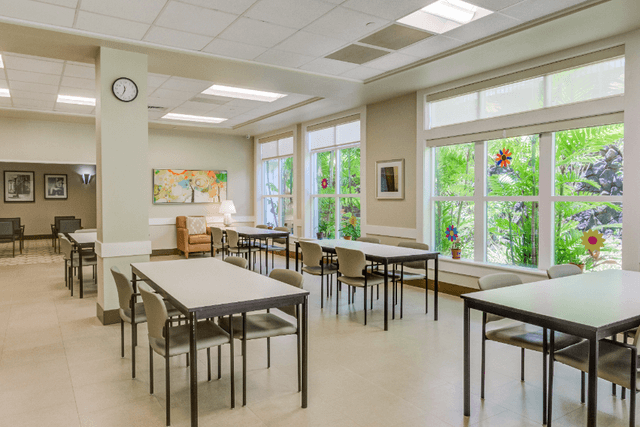
- All meals, usually in a common dining area
- Medication and other health monitoring, nursing assessment and routine nursing tasks
- Personal care services: Assistance with activities of daily living (ADLs) such as eating, dressing, and bathing)
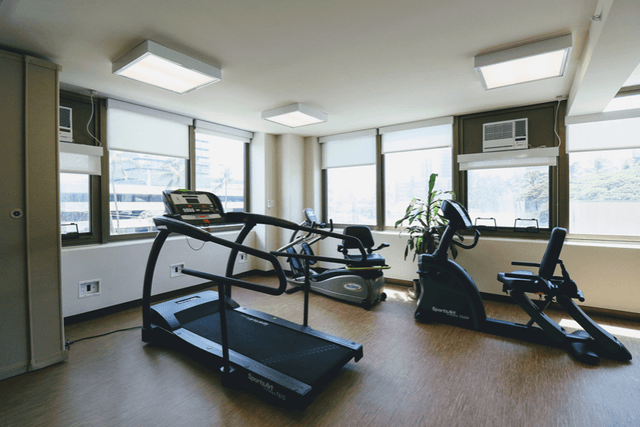
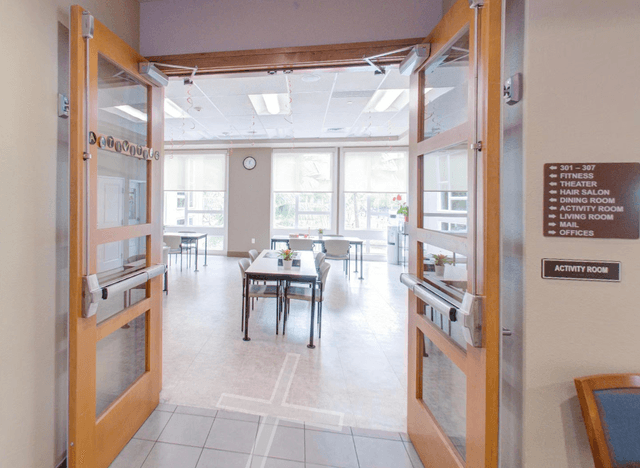
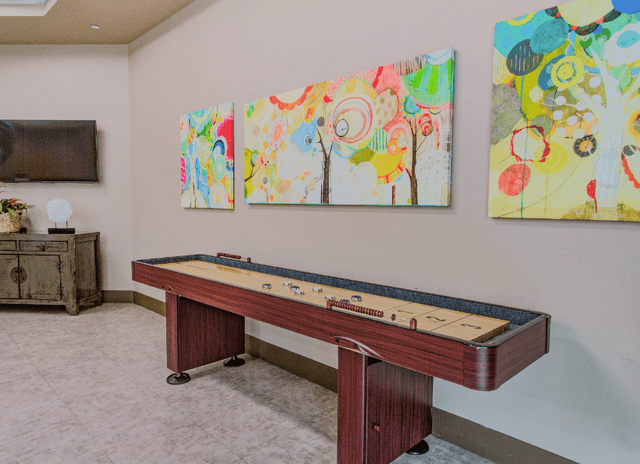
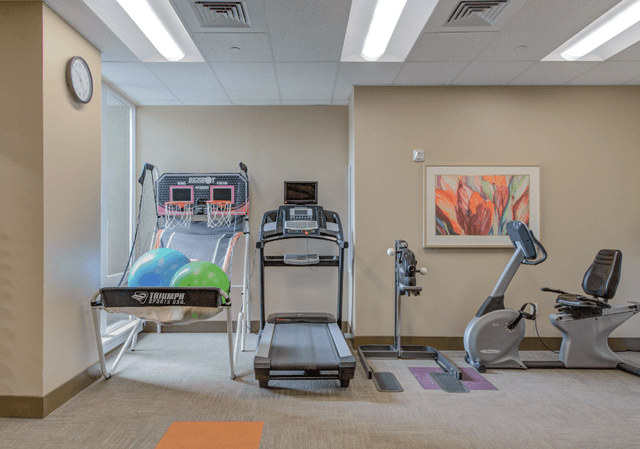
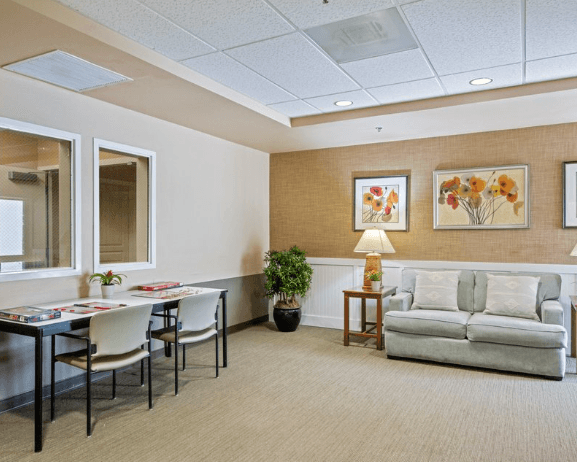
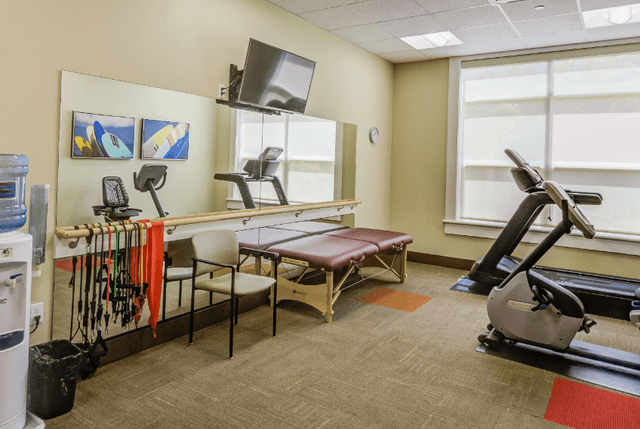
- Social and exercise activities
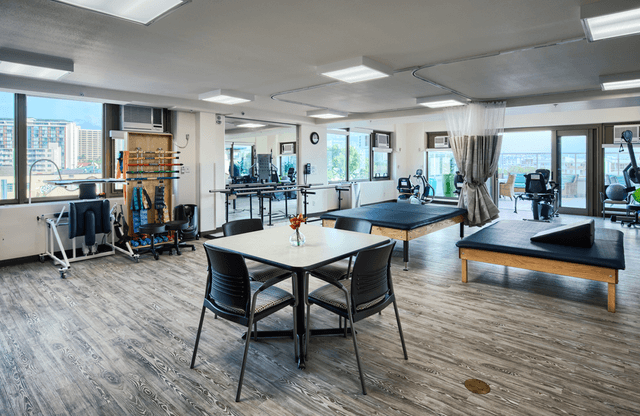
- Facility may arrange outside services for medically related care (e.g., therapist, podiatrist) and social work services
Note: Some facilities also offer respite care and other special services.
What they cost
Median monthly fees: $3,825 (higher for residents requiring memory care)
State of Hawaii requirements
- Facility must conduct and regularly update a comprehensive assessment of each resident's needs and plan and implement services responsive to the needs. The assessment and plan should include others who regularly participate in care and services for the resident.
- 24-hour staff-monitored call system must be in place.
State of Hawaii oversight
The Hawaii state Department of Health, Office of Health Care Assurance (808-586-4080) licenses assisted living facilities.
How to resolve problems or offer feedback
- Contact the Hawaii long-term care ombudsman (808-586-7268); this is a free service to help residents informally resolve problems with a facility.
- Rate and review assisted living facilities.
How to pay for assisted living in Hawaii
- Most assisted living is paid for privately by the resident and/or his or her family.
- For Medicaid-eligible low-income residents, Hawaii's Medicaid home and community based waiver program pays part of the monthly fees in participating facilities.
- Low-income veterans or surviving spouses of veterans may be eligible for Aid AND Attendance or other payments from the Department of Veterans Affairs (VA), which can help pay for assisted living.
- Some assisted living facilities offer sliding scale fees, making a higher level of care available to families that might not otherwise be able to afford it. Be sure to ask -- or ask a geriatric care manager in the area if he or she knows which facilities offer sliding scale fees.
Help finding and choosing a facility
- Hire a geriatric care manager (most have extensive local knowledge about assisted living facilities in a particular geographic area, including space availability, resident needs assessments, sliding scale fees, and resident satisfaction). To find a geriatric care manager, see Caring.com's Senior Living Directory.
- For details about assisted living facilities in each of the 50 U.S. states plus the District of Columbia, see A Caregiver's Guide to Assisted Living Facilities.