.png&w=256&q=75)
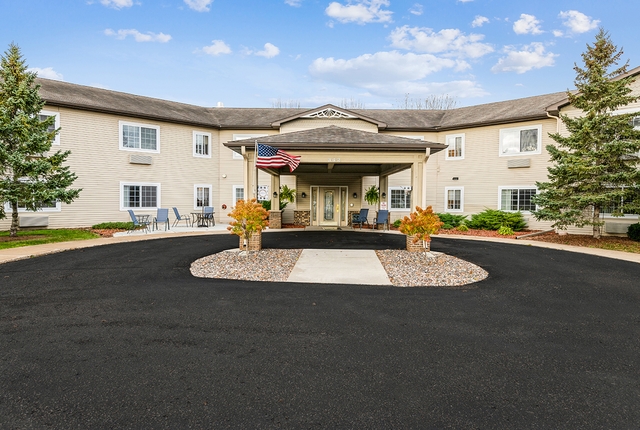
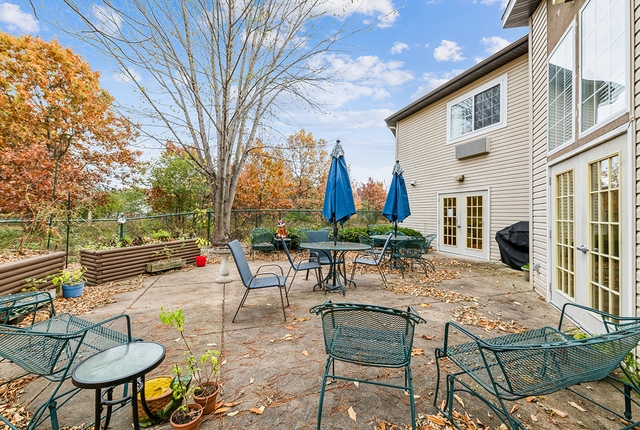
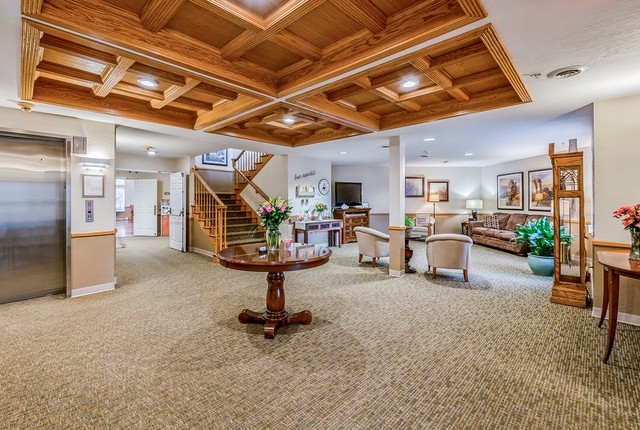
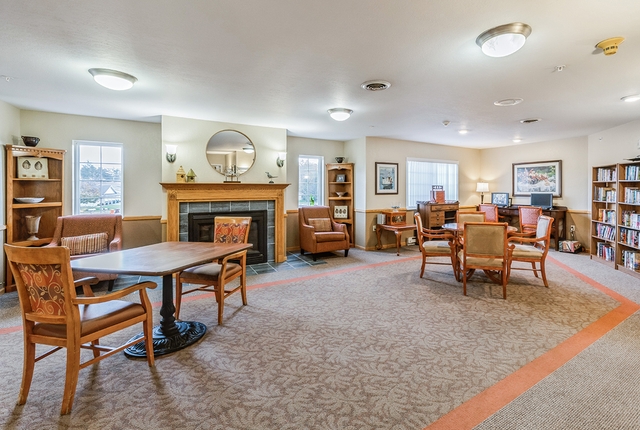
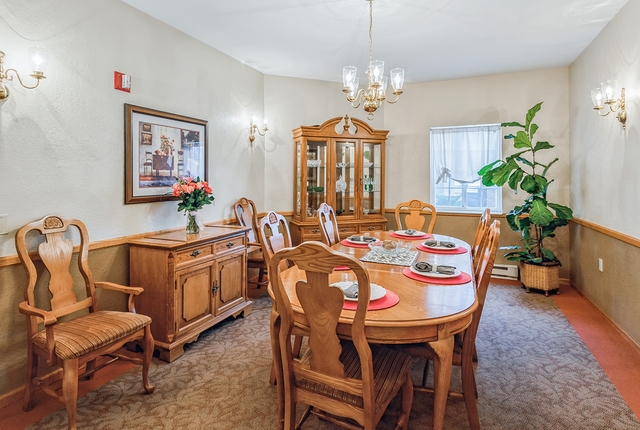
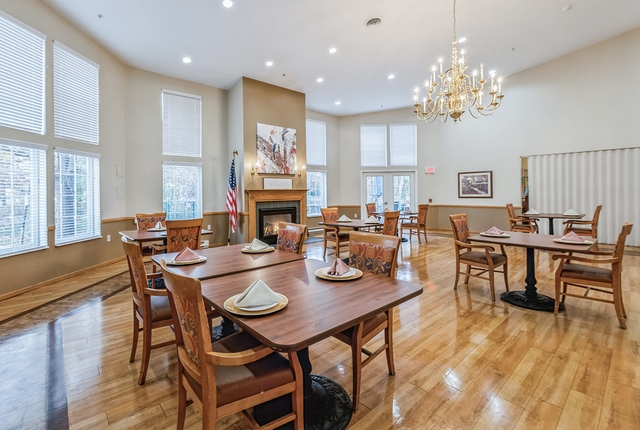
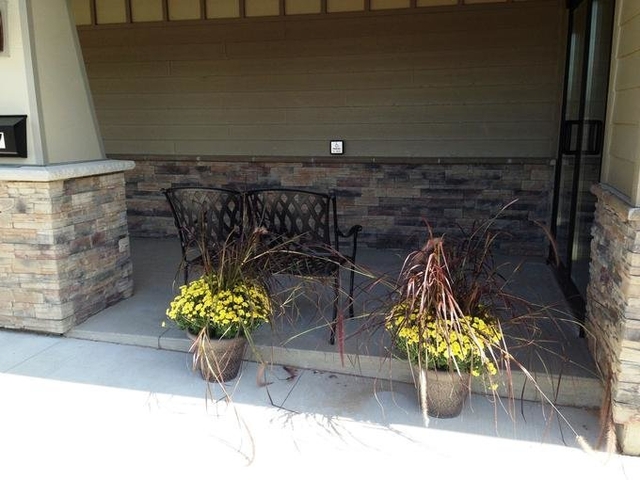
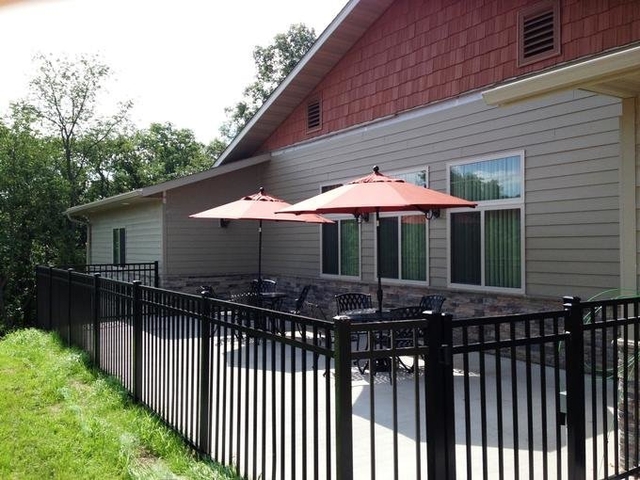
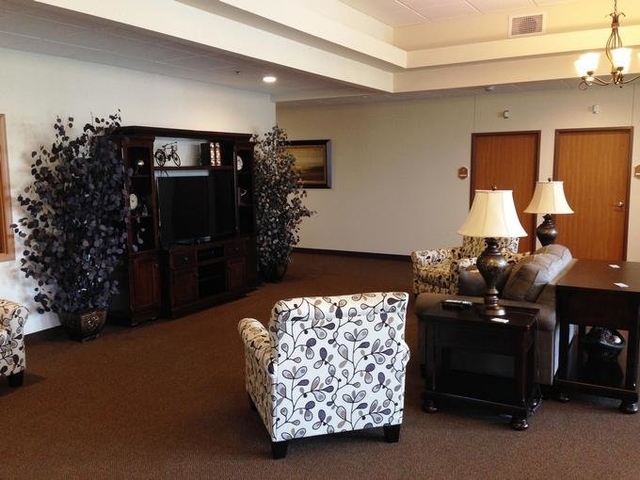
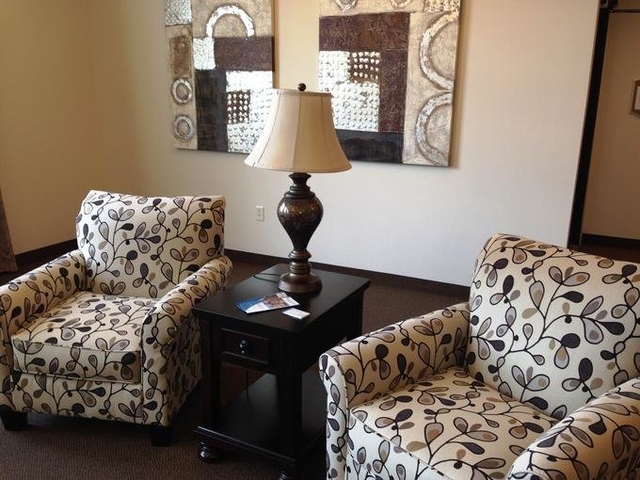
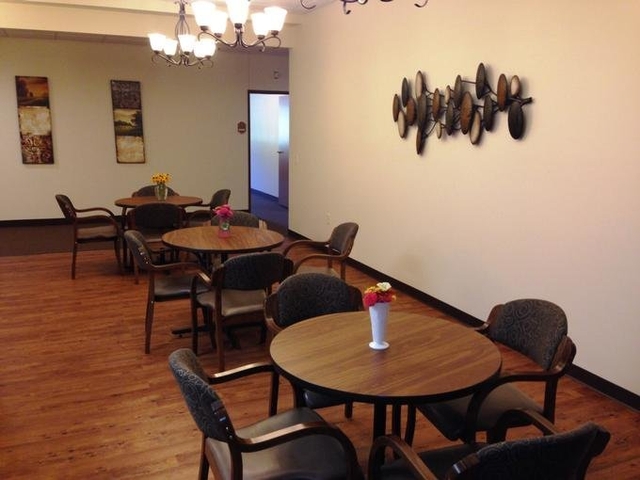
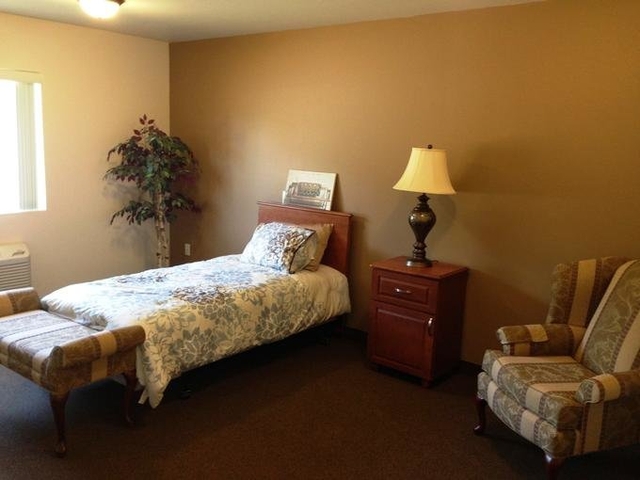
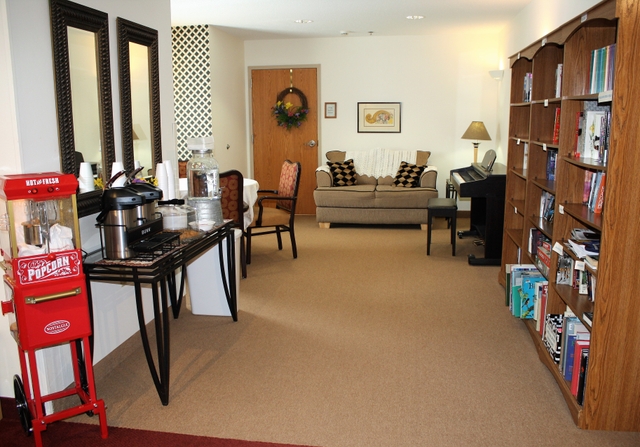
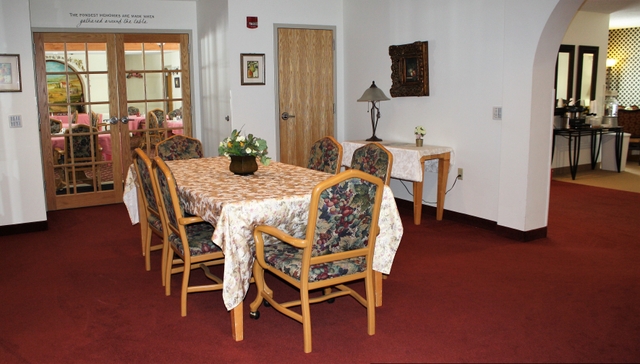
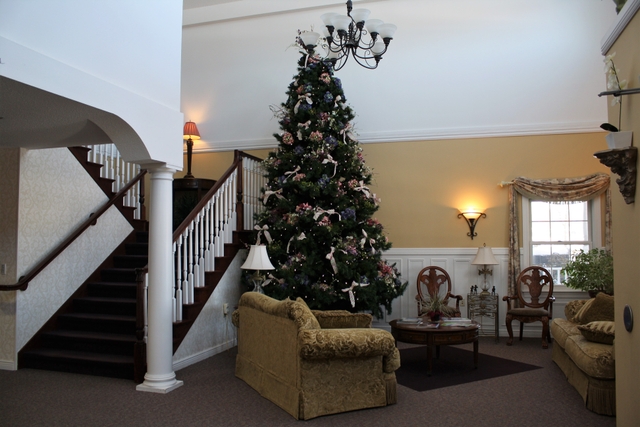
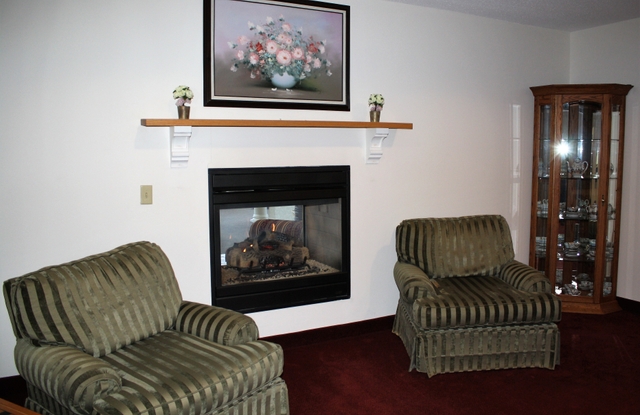
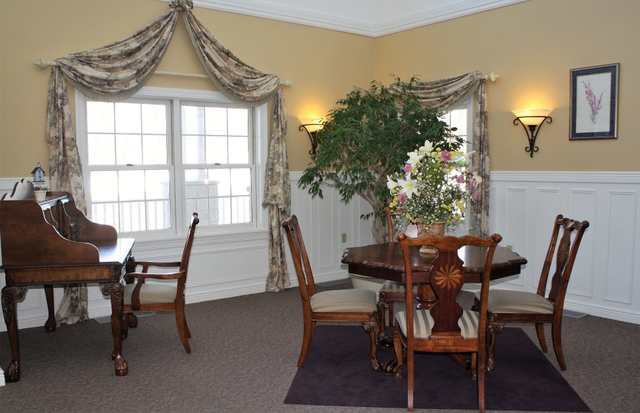
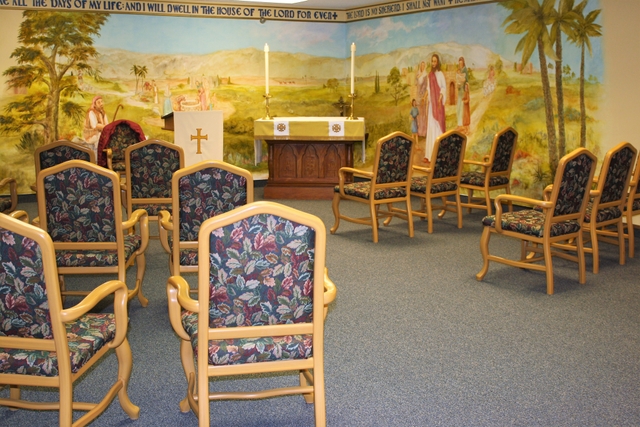
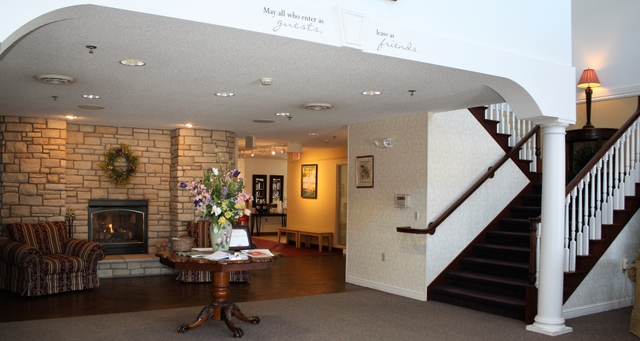
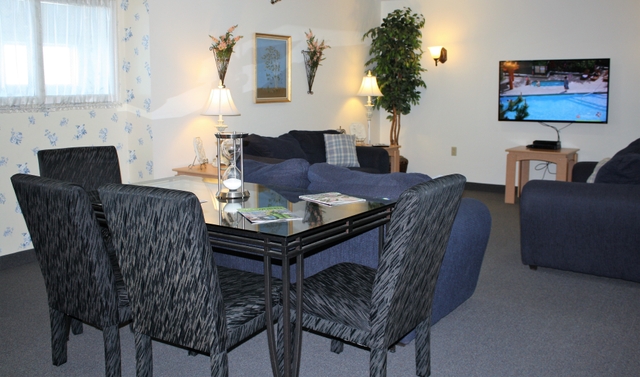
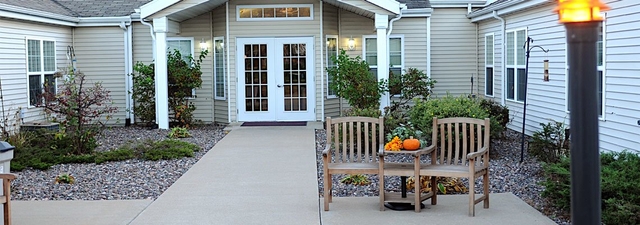
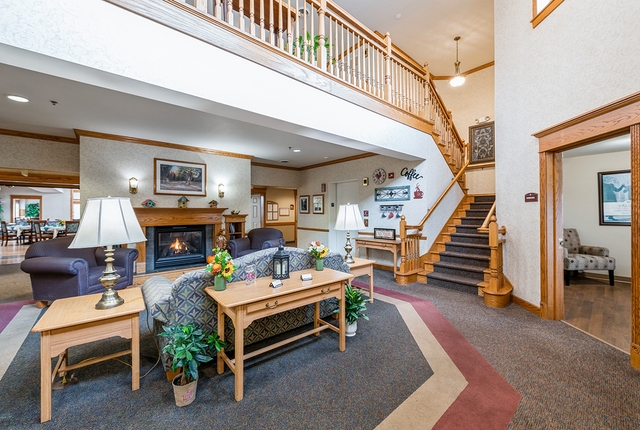
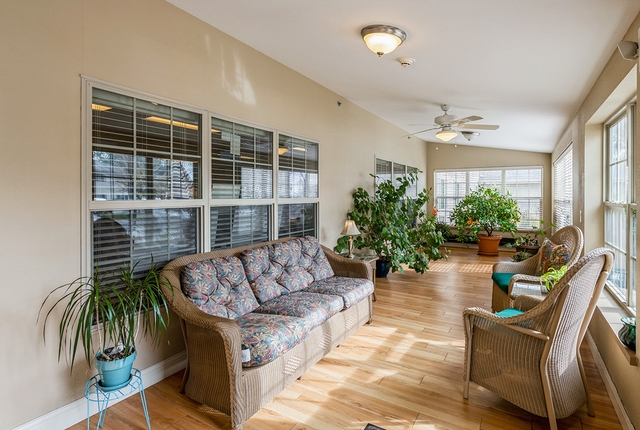
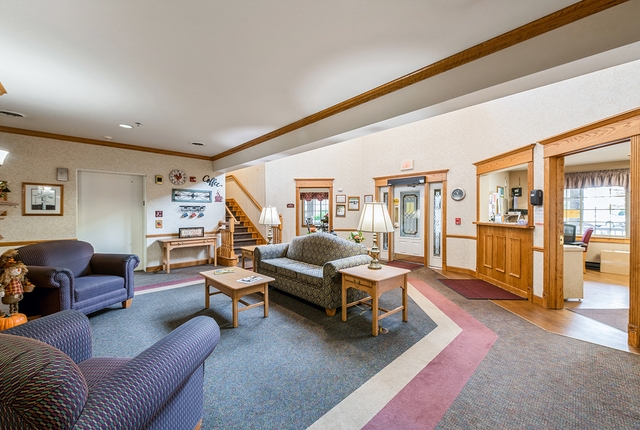
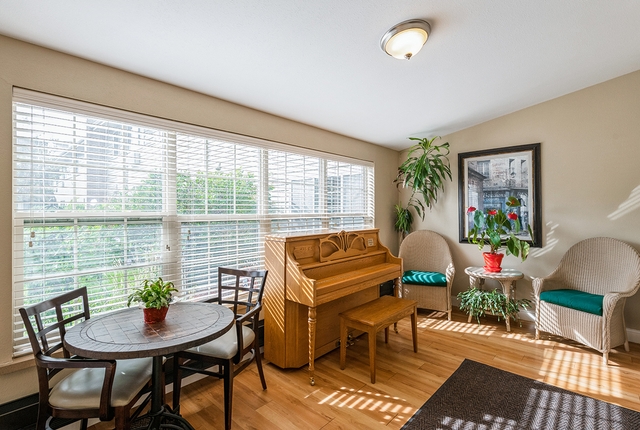
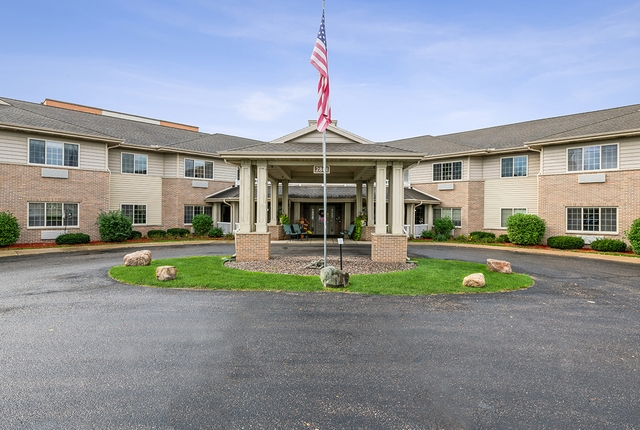
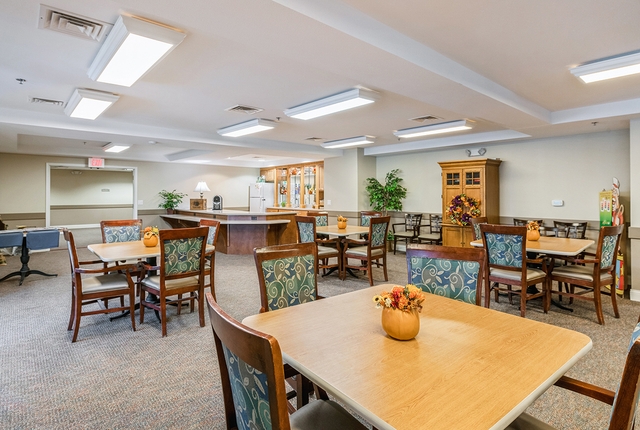
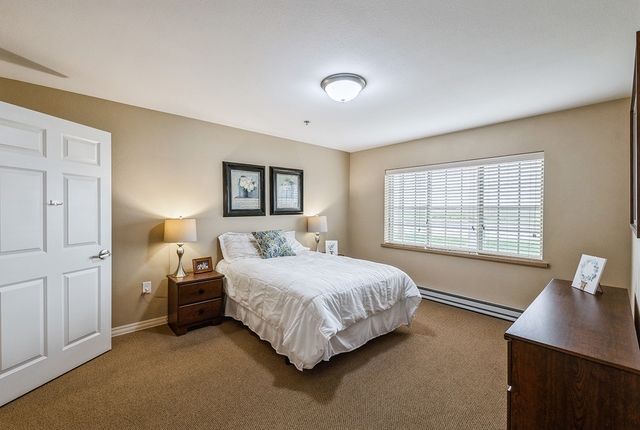
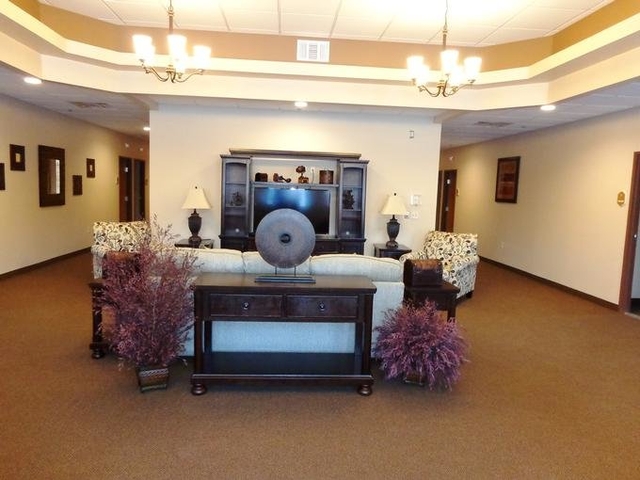
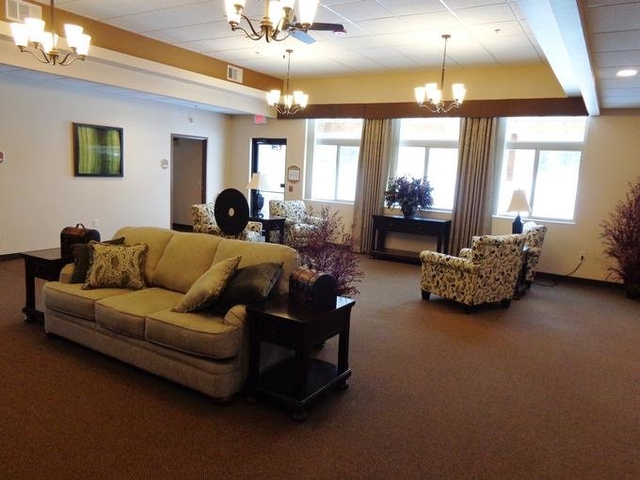
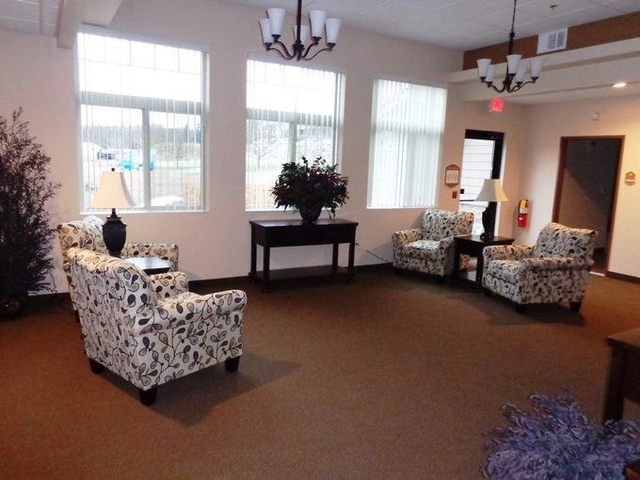
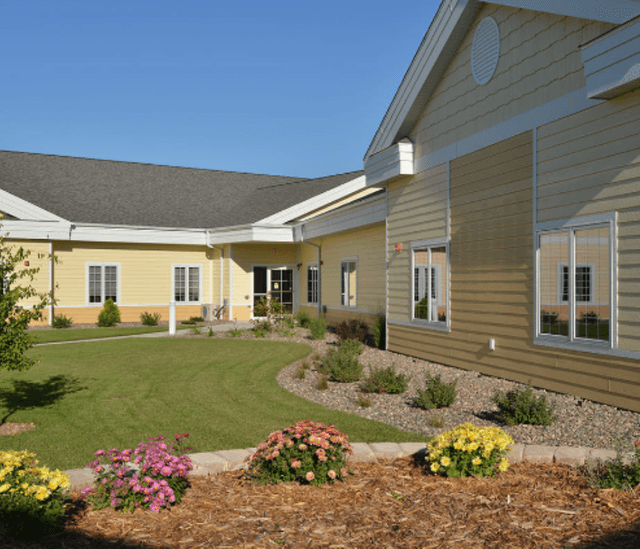
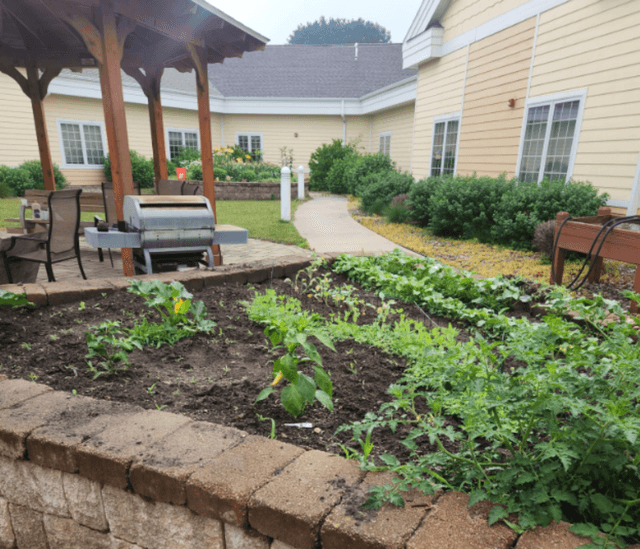
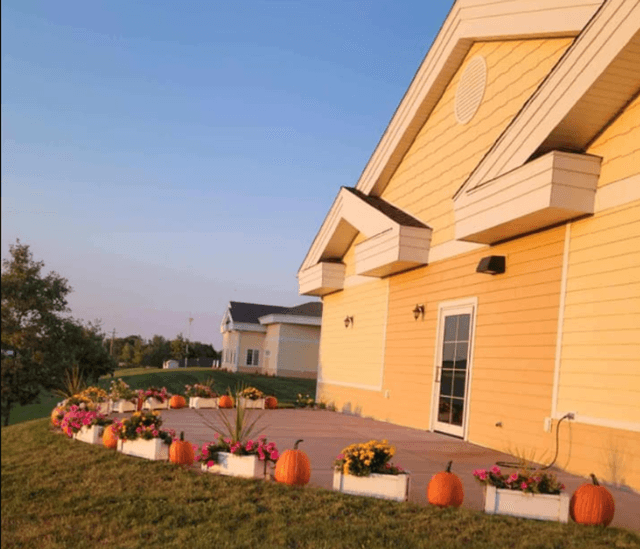
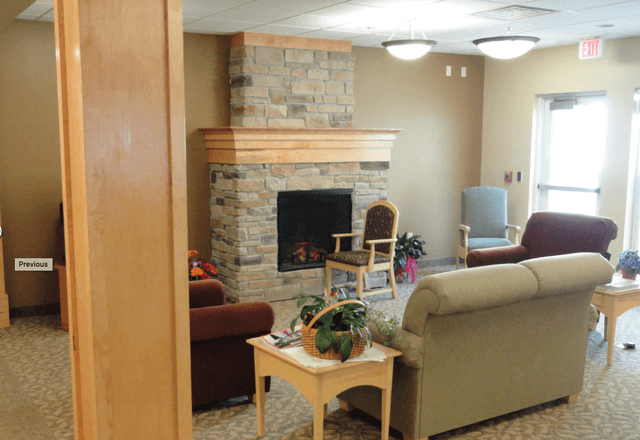
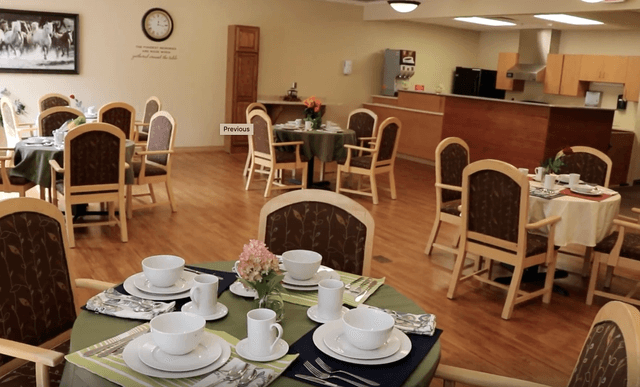
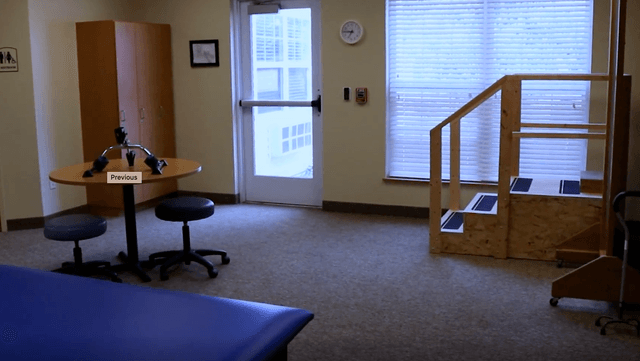
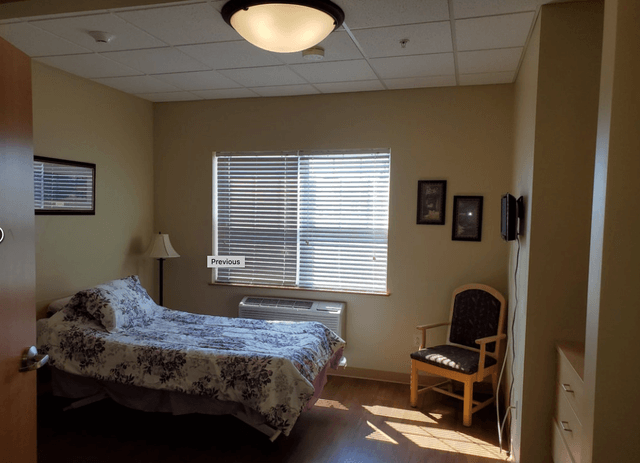
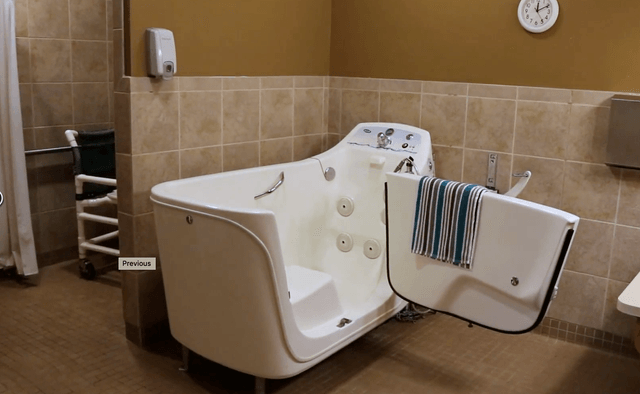
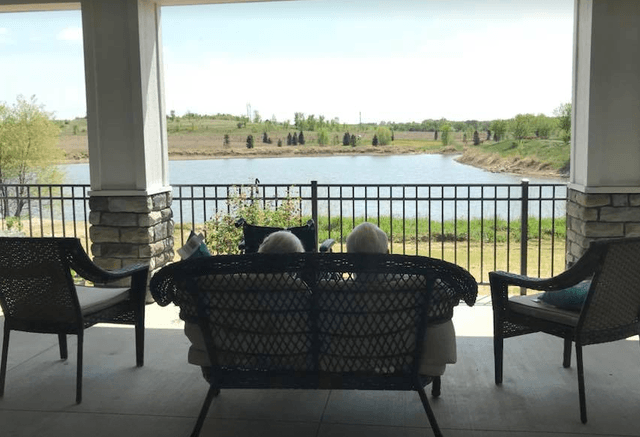
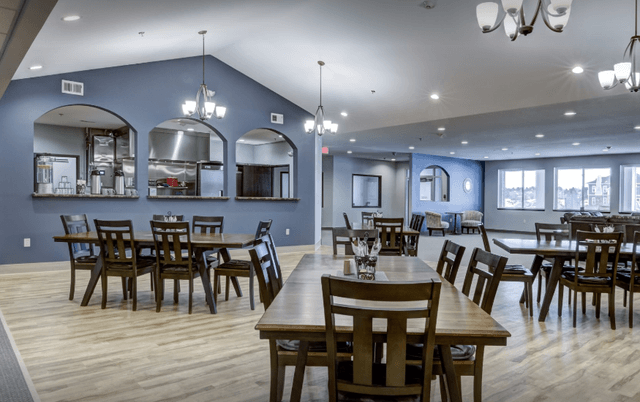
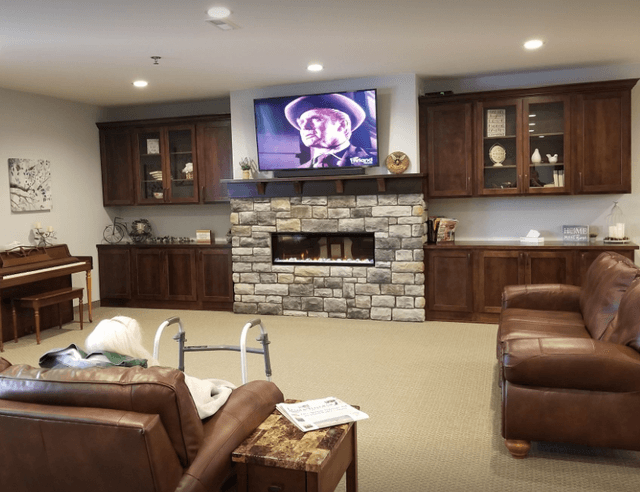
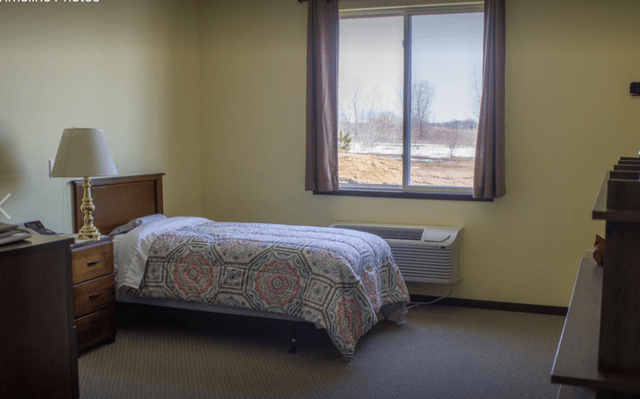
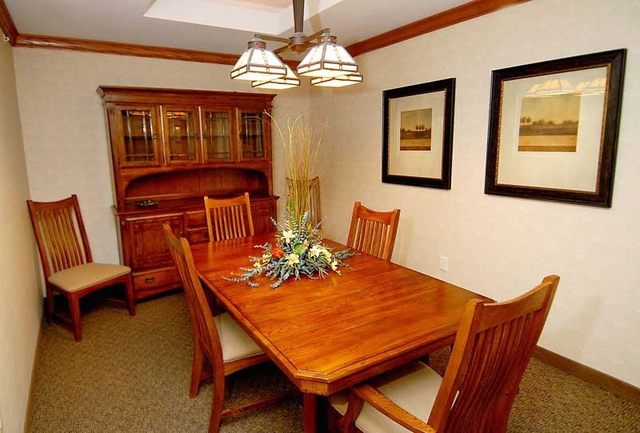
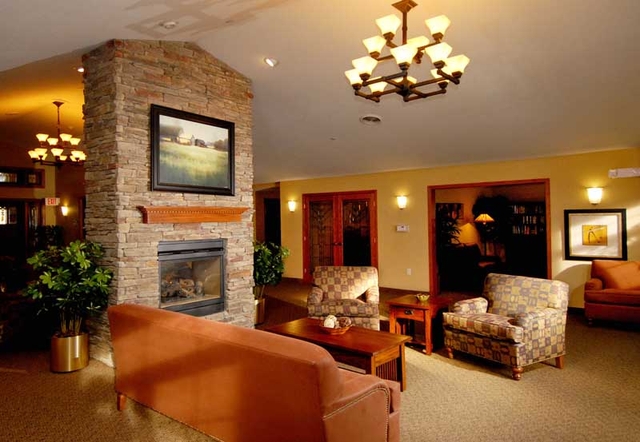
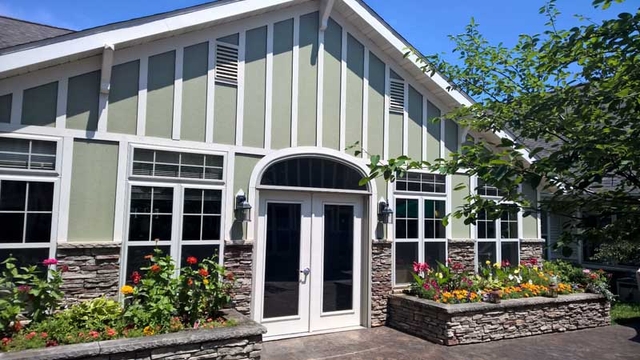
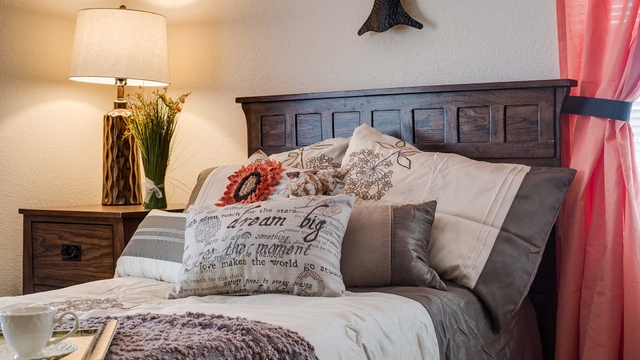
Oak Gardens Place
342 Twin Oak Drive, Altoona, WI, 54720
4.0
(4 reviews)
"Wonderful and caring staff/team. Was an ideal home for my Mother...."
READ MOREAlso serving communities of Strum, Osseo.
There are 26 Assisted Living Facilities in the Altoona area, with 3 in Altoona and 23 nearby.
The average cost of assisted living in Altoona is $4,486 per month. This is higher than the national median of $3,895. Cheaper rated regions include Chippewa Falls with an average starting cost of 2,888.
To help you with your search, browse the 69 reviews below for assisted living facilities in Altoona. On average, consumers rate assisted living in Altoona 4 out of 5 stars. Better rated regions include Eau Claire with an average rating of 4.29 out of 5 stars.
Caring.com has helped thousands of families find high-quality senior care. To speak with one of our Family Advisors about assisted living options and costs in Altoona, call (855) 948-3865.
26 Results
342 Twin Oak Drive, Altoona, WI, 54720
4.0
(4 reviews)
"Wonderful and caring staff/team. Was an ideal home for my Mother...."
READ MORE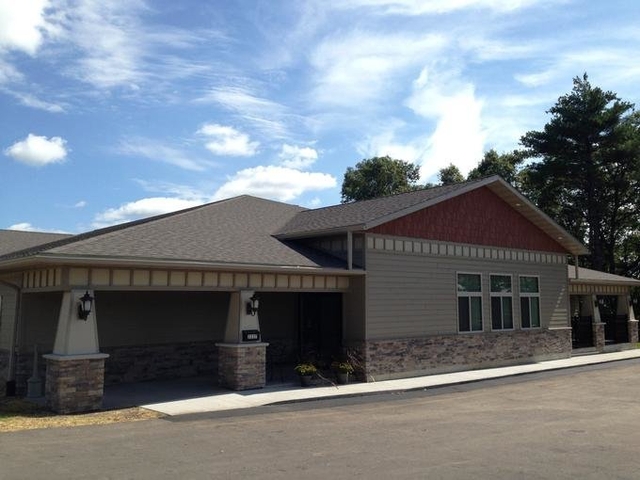
893 Briar Lane, Altoona, WI, 54720
"Care Partners Assisted Living in Altoona (893 Briar Lane) is a 20 bed assisted living facility that offers a secure and home-like environmen..."
READ MORE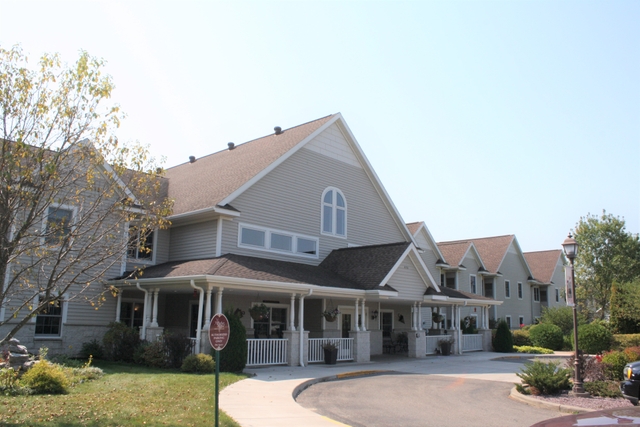
4510 Gateway Drive, Eau Claire, WI, 54701
4.6
(11 reviews)
"There was nothing that I didn't like about HeatherWood Assisted Living & Memory Care. They have a restaurant club where they either go out to eat occasionally or have food brought in, entertainment, and they do a lot of craft work. They sent a plate ..."
READ MORE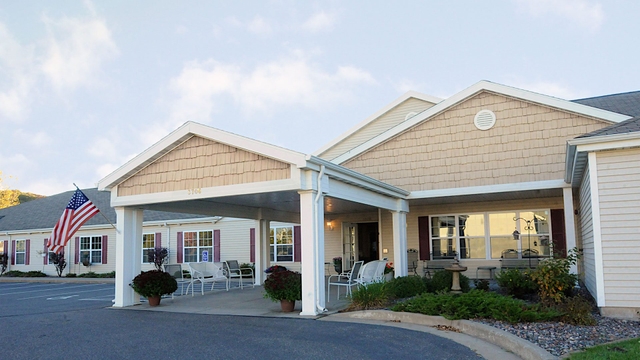
3706 Damon Steet, Eau Claire, WI, 54701
4.7
(10 reviews)
"Heritage at Oakwood Hills was very nice. It's small. It would have been our second choice but if there's a very bad dementia issue or needing to be lifted out of bed, then they can't do that. The staff during the tour was terrific. She was the direct..."
READ MORE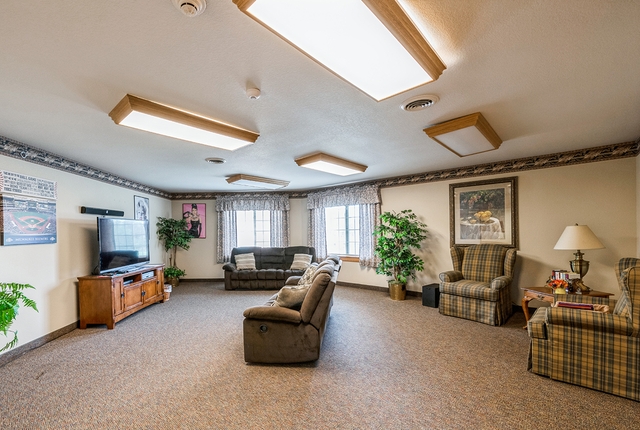
2801 County Hwy I, Chippewa Falls, WI, 54729
5.0
(3 reviews)
"I toured LakeHouse Chippewa Falls. The staff is very friendly and cooperative. The place was something that I can recommend. The place made you feel more like you're at home. Everything was clean and organized. They had an activity room, dining room,..."
READ MORECaring's Family Advisors are here to help you with questions about senior living and care options.
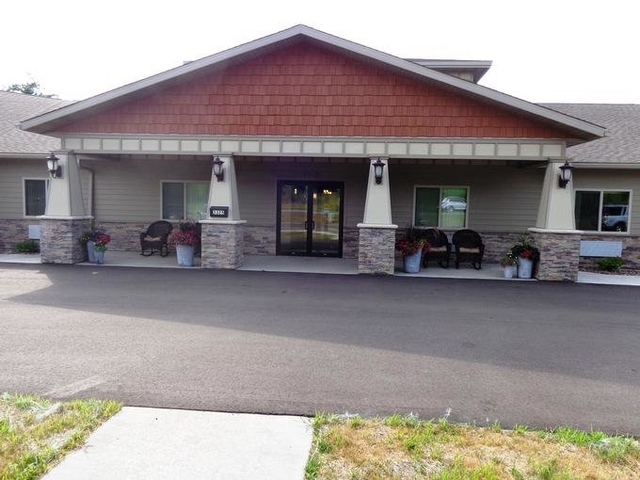
3325 Birch Street, Eau Claire, WI, 54703
4.0
(2 reviews)
"I visited Care Partners and they were very informative. They were good and the rooms were fine. They have activities. I went to their memory care unit and the staff was courteous. My sister-in-law was a resident. It was a good layout and everything w..."
READ MORE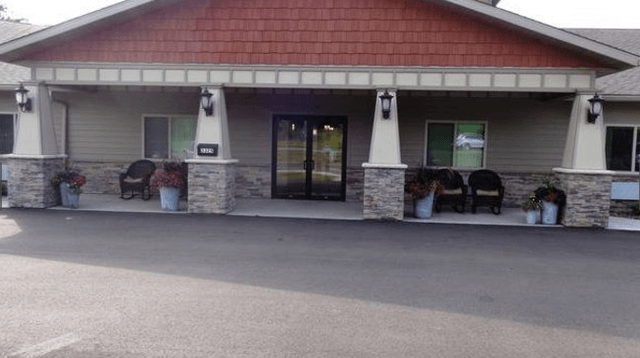
5110 Stonewood Drive, Eau Claire, WI, 54703
3.8
(4 reviews)
"We toured Care Partners Assisted Living and Memory Care. It's new, it's only a year old. It seemed very sensible, they were COVID conscious, but not COVID paralyzed. It's 60 beds. The rooms were smaller and more open, but that's OK with my mother's i..."
READ MORE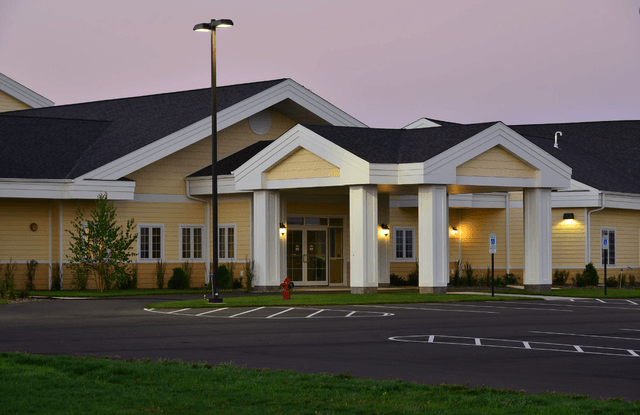
110 Park Drive, Colfax, WI, 54730
" At Colfax Senior Living, we offer seniors a range of choices when it comes to selecting the ideal living and care accommodation for your l..."
READ MORE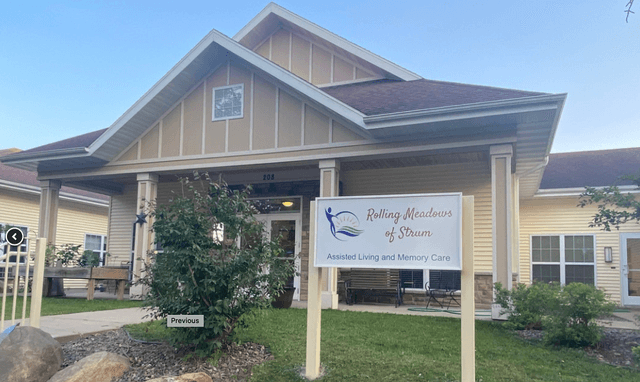
208 Elm Street, Strum, WI, 54770
"Peace of Mind - We respect the need for each person to feel purpose and success. Social engagement and a nurtured body allow the spirit to c..."
READ MORE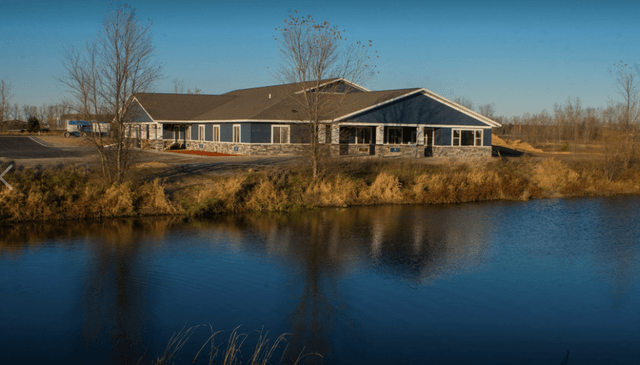
5075 Stonewood Drive, Eau Claire, WI, 54703
5.0
(3 reviews)
"The administrator staff at Beehive Homes of Eau Claire met me at the door, and they talked to me for two hours before even taking me on a tour, unlike other places Ive been to. I spent two and a half hours there. All the staff members seemed very ni..."
READ MORE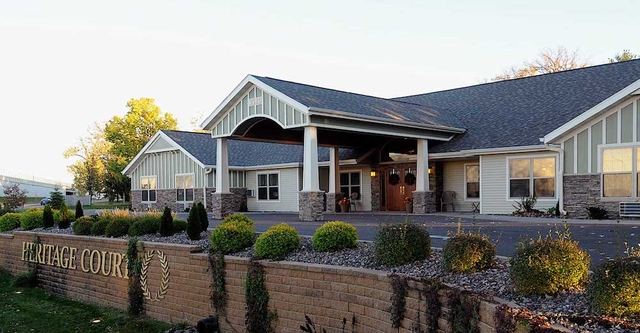
3515 E. Hamilton Ave, Eau Claire, WI, 54701
4.6
(7 reviews)
"My grandmother has lived at Heritage Court for a little over a year now, and we have had nothing but good experiences with them. She suffers from dimentia, and the staff at Heritage Court do a wonderful job of keeping her heathy in both body and min..."
READ MORE
4868 Otteson Lane, Eau Claire, WI, 54701
4.8
(4 reviews)
"I'm putting Mom in Grace Willowbrook. It has a lot of the amenities I was looking for. They have the walk-in tubs, a library with large print books, and an on-site physical therapy. They have nice apartments. I didn't eat there, but they're very prou..."
READ MORE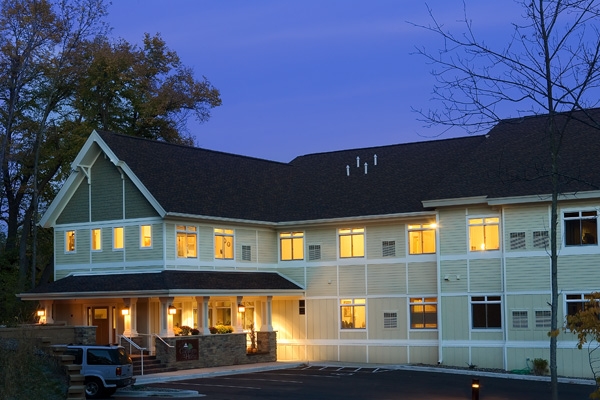
1224 Pumphouse Road, Chippewa Falls, WI, 54729
5.0
(1 reviews)
"Beautiful setting along the chippewa river. Assisted apartments. New memory care coming soon. No hidden fees. Great floor plans. ..."
READ MORE
1018 GRAHAM AVE, Eau Claire, WI, 54701
5.0
(1 reviews)
"Andrew M., owner, is a wonderful care provider! He is always there for his clients. He always keeps me updated on medical and social issues. He also takes her to doctor appointments when I am unable to do so. He is often seen out in the community wit..."
READ MORE13362 98th Avenue, Chippewa Falls, WI, 54729
5.0
(1 reviews)
"I chose Home Suite Home for my brother because they only have 11 residents, it's a new place, and it was the only available opening at the time. My brother's room is very nice; it is like a home. Every room opens out onto a deck on the back. The staf..."
READ MORE51019 Ridge View Road, Osseo, WI, 54758
5.0
(1 reviews)
"We found Dove Healthcare Osseo for my mom. She moved in last month. It's everything we needed for her; it is just a little assistance. She has a nice little apartment with a living/kitchen area, a bedroom, and a bathroom. She has three meals a day, a..."
READ MORE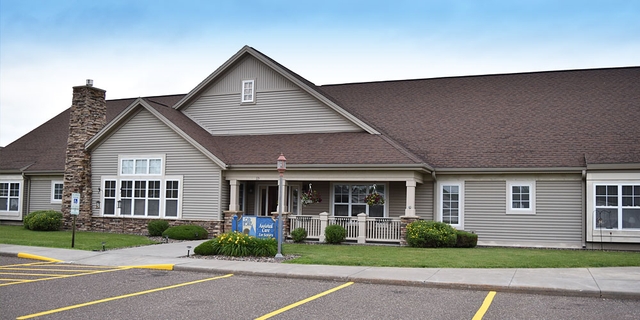
115 Marrs Street, Chippewa Falls, WI, 54729
4.6
(5 reviews)
"I loved coming and spending time with the residents before the covid issues. I miss spending time with them. The staff was always so nice and offered me a drink and a snack. I loved volunteering and doing activities with them. Cant wait for everythin..."
READ MORE1403 TRUAX BLVD, Eau Claire, WI, 54703
"We really liked the outside look of the Orchard Hills assisted living facility. While searching for a place for our aunt to live in the area, we decided to stop in. Despite not having an appointment, they very graciously gave us a tour. We could see ..."
READ MORE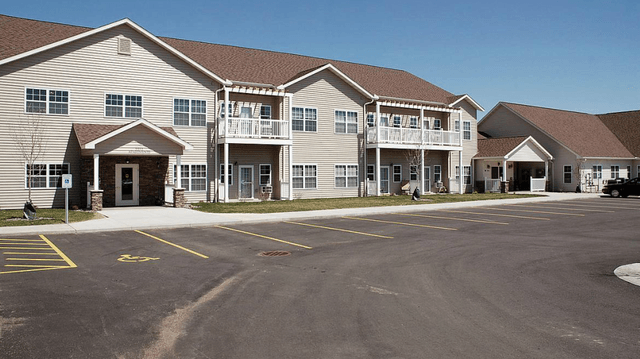
5512 Renee Drive, Eau Claire, WI, 54703
3.5
(8 reviews)
"Milestone Senior Living is a very good community. I'm really pleased that we made a move there. it's very nice from what I can tell. They're very cordial and they really work hard on meeting each resident's needs. It's a very nice, clean facility. Th..."
READ MOREAltoona is a small eastern suburb of Eau Claire, resting against the southern shore of Lake Altoona, an amoeba-shaped recreational area. Home to just 7,680 people, over 15.5 percent of Altoona's residents are seniors age 65 and over. For seniors who need an assisted living facility, there are three in Altoona and about 20 others in surrounding areas.
Assisted living communities in Altoona, as in the rest of the state, are licensed and inspected by the Wisconsin Department of Health Services Bureau of Assisted Living Division of Quality Assurance.
Assisted Living costs in Altoona start around $4,486 per month on average, while the nationwide average cost of assisted living is $4,000 per month, according to the latest figures from Genworth’s Cost of Care Survey.
It’s important to note that assisted living rates in Altoona and the surrounding suburbs can vary widely based on factors such as location, the level of care needed, apartment size and the types of amenities offered at each community.
Altoona
$4,486
Menomonie
$4,416
Eau Claire
$4,397
Stanley
$4,200
US
$4,000
Black River Falls
$3,755
Bloomer
$3,666
Chippewa Falls
$2,888
Altoona seniors who meet the federal income and asset guidelines for low-income citizens may be able to get help paying for some of the cost of assisted living through Wisconsin Medicaid.
Learn more about these programs, plus who’s eligible, on our Assisted Living in Wisconsin page.
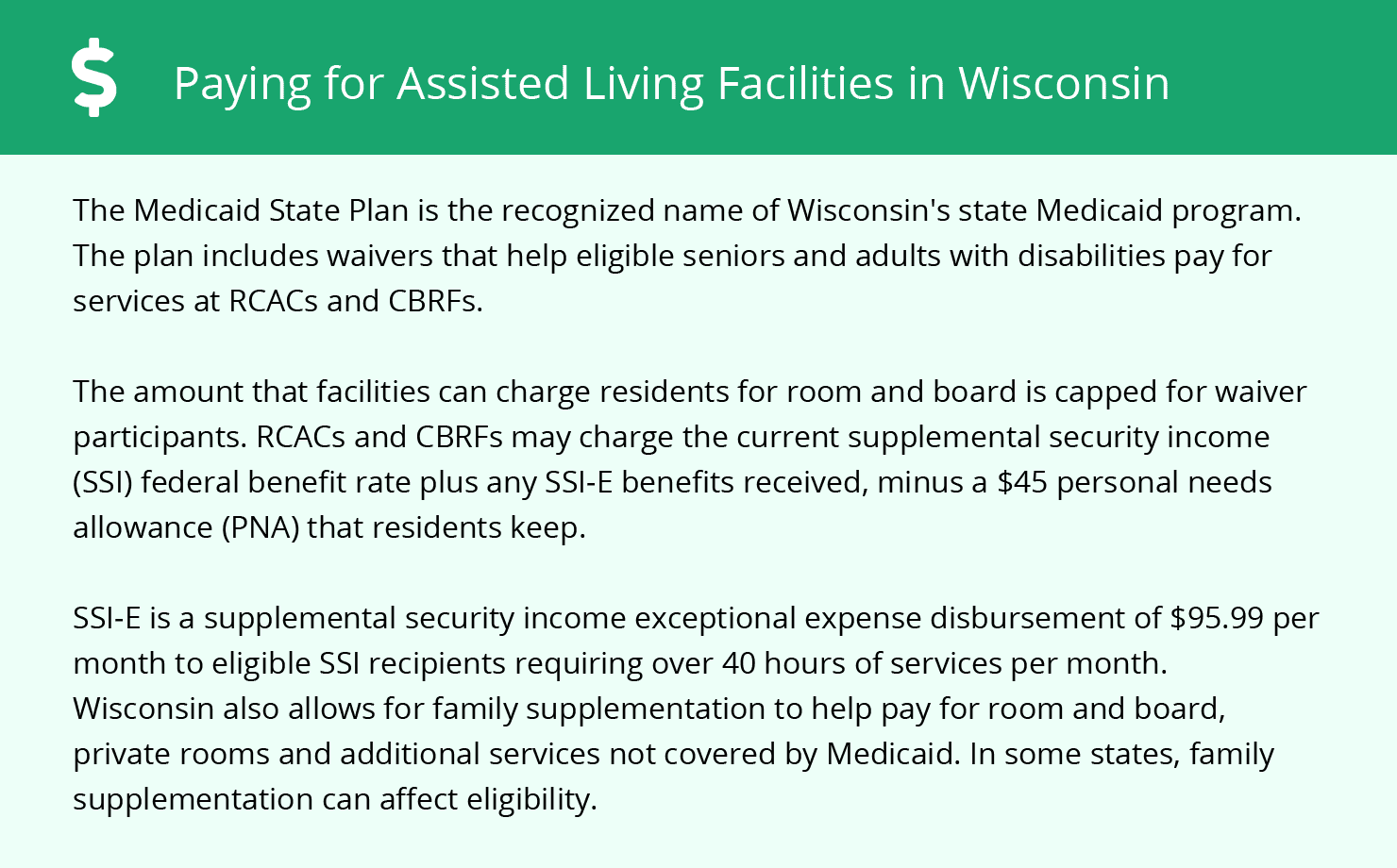
While many families use their own funds or personal assets to pay for assisted living, there are plenty of additional options to cover these costs. Some additional ways to finance assisted living costs include:
For more information about different ways to finance assisted living, visit our Assisted Living in Wisconsin page.
Altoona and the surrounding area are home to numerous government agencies and non-profit organizations offering help for seniors searching for or currently residing in an assisted living community. These organizations can also provide assistance in a number of other eldercare services such as geriatric care management, elder law advice, estate planning, finding home care and health and wellness programs.
To see a list of free assisted living resources in Altoona, please visit our Assisted Living in Wisconsin page.
Altoona-area assisted living communities must adhere to the comprehensive set of state laws and regulations that all assisted living communities in Wisconsin are required to follow. Visit our Assisted Living in Wisconsin page for more information about these laws.

Assisted Living
Teri
3
Review of Oak Gardens Place
I went to Oak Gardens Place. The tour was OK. I didn't like it as much as the other place. It used to be one big building but they split it in two, so it's kind of a weird layout. Half of the...
Assisted Living
Julie
4
Review of Oak Gardens Place
I liked Oaks Garden Place, but I didn't think the amount of assistance would be enough for my mom there. She's borderline between assisted living and memory care, and I didn't think that would be...
Assisted Living
blugold79
5
Review of Oak Gardens Place
Wonderful and caring staff/team. Was an ideal home for my Mother.