

How to Talk to Your Parents About Assisted Living
Last Updated: January 27, 2024
In 2021, the American Community Survey revealed that the U.S. had 55 million residents aged 65 or older, a statistic that emphasizes the increasing need for senior care as 1 in 5 Americans will reach retirement age by 2030. While it may be challenging, it is important to have early and thoughtful discussions about caring for aging relatives.
This guide provides respectful and tactful approaches to help you identify the right time to discuss senior care with your parents.
When Should You Talk To Your Parents About Assisted Living?
Dr. Michelle Feng, a geriatric psychology specialist and Chief Clinical Officer at Executive Mental Health, recommends initiating open discussions about senior care early on, even before physical or cognitive challenges arise. She also suggests linking the conversation to positive life events, such as buying a house or having grandchildren, to make it less intimidating. By doing so, you can frame it as a natural part of life’s journey and not as a crisis.
When planning this talk, it’s important to be alert to these signs that your parents might need assistance.
Increased Forgetfulness
As people age, changes in the brain make it more difficult to remember things. Forgetfulness is also a symptom of some medical and psychological conditions. It’s time to discuss senior care when a parent’s forgetfulness gets out of hand. Losing keys is one thing; forgetting to turn off the stove is another. If your parent’s forgetfulness risks their safety, start exploring senior care options immediately.
Signs of Isolation, Loneliness, and Depression
The National Institute on Aging notes that depression, while not a normal part of aging, is common among seniors, often due to significant life changes like retirement, health issues, or mobility-related hobby restrictions. Depression symptoms in older adults, such as moodiness, fatigue, insomnia, and behavioral changes, may not always be obvious. Moreover, heart disease, chronic conditions, and certain medications can exacerbate these symptoms. Although assisted living isn’t a universal solution for clinical depression, it can be beneficial for those whose depression stems from isolation and loneliness, as it offers a community environment to alleviate these stressors.
Recent Falls, Injuries or Other Incidents in the Home
Every year, over 3 million adults aged 65 and above are treated in emergency rooms for fall-related injuries, leading to roughly 800,000 hospitalizations. To safeguard aging parents, be vigilant for fall indicators like broken bones, bruises, or head injuries and a reduced engagement in usual activities due to fear of falling. Additionally, certain conditions heighten fall risks in seniors, such as vitamin D deficiency, vision impairments, and health issues affecting balance or lower body strength. Pay close attention to signs of falls if your parent has any of these conditions.
Noticeable, Sudden Weight Loss
Older people tend to need fewer calories as they age due to decreased physical activity levels, but noticeable, sudden weight loss may be a cause for concern. If your parent loses a lot of weight rapidly, it could be a sign of gastrointestinal disease, cancer or a psychiatric disorder.
Noticeable Lack of Hygiene
Physical and mental health problems can make it difficult for an older person to keep up with daily hygiene activities, including bathing, shampooing hair, brushing teeth, and changing clothes. Watch for signs of poor hygiene, such as body odor, bad breath, tangled hair, or ragged nails. When you visit, look for unwashed dishes, spoiled food, insect activity, and other signs that your parents cannot keep up with regular housekeeping activities.
Unexplained Bruises or Injuries
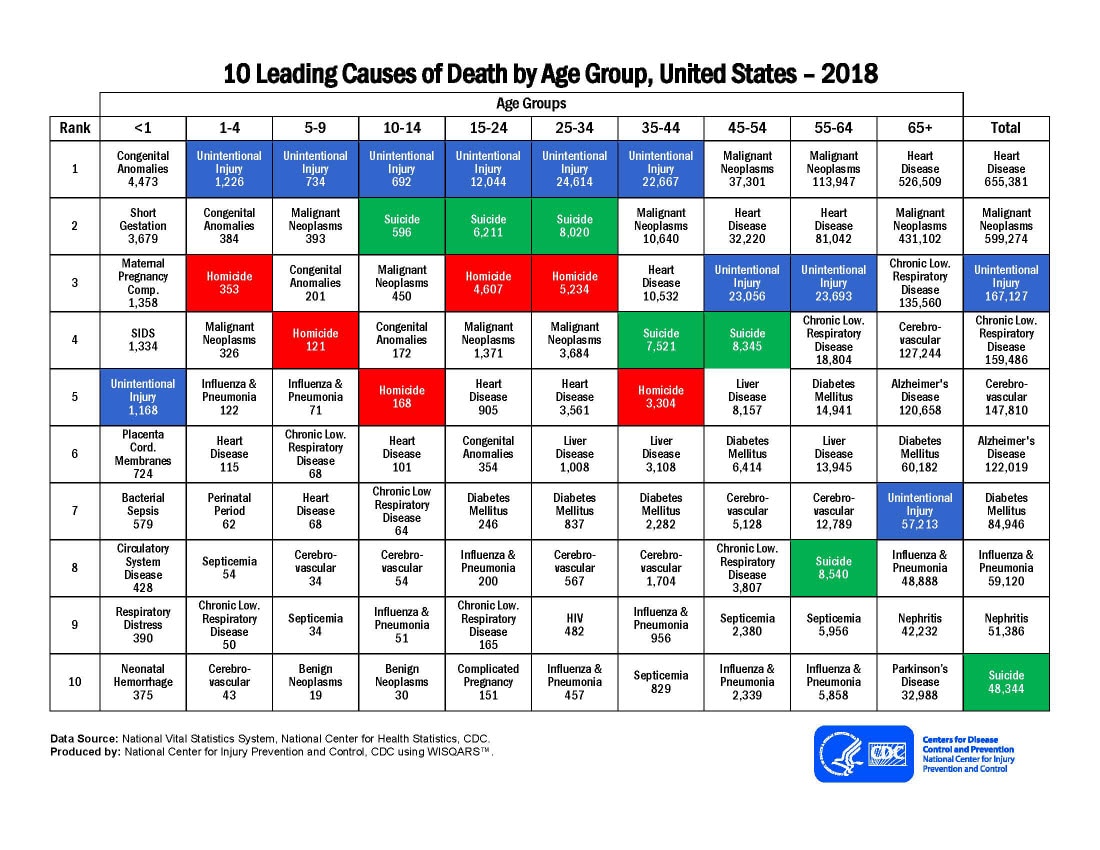
Falls aren’t the only cause of injuries in older adults. In 2020, unintentional poisonings and burns accounted for over 6,000 deaths among adults 65 and older. When visiting your loved one, look for visible signs of burns, such as red skin, scarring, blisters, and peeling skin. If you’re concerned about unintentional poisoning, ask your parents about abdominal pain, nausea, trouble breathing, vomiting, and other possible poisoning symptoms.
Mobility Problems
Arthritis, vision problems, and other medical conditions may make it difficult for older adults to move around. If you’re concerned about mobility loss, watch for signs such as difficulty walking, climbing stairs, and other basic movements.
Frequently Missing Appointments or Social Plans
If your parent have started missing appointments or canceling social plans, the behavior could be a sign of depression or mobility problems. Depression may cause some older adults to isolate themselves, damage their social relationships, and experience feelings of loneliness. Adults with mobility problems may desire to socialize, but their limited mobility and balance make it hard to get out of the house.
Tips For Talking To Your Parents About Assisted Living
When it comes to aging parents, it is vital to have difficult conversations regarding their loss of independence and leaving their long-time home. These conversations should start by addressing their health, safety, and challenges and allowing them to actively participate in planning their medical treatment, long-term care, and financial decisions. As such, how you approach these sensitive topics can make or break your attempt. To facilitate these discussions effectively, we provide several tips on how to approach these critical topics thoughtfully with your loved one.
Do Your Homework Before the Conversation
Before initiating a conversation about senior care, prepare by consulting medical experts or researching online. Dr. Feng advises using a relevant article as a starting point, such as mentioning one from Caring.com to engage your parents. You might say, “I read an article about senior care and want to understand your wishes so I can honor them. What are your thoughts?” This method is key to showing you’re prioritizing your parent’s interests and not deciding alone.
Be Patient
Patience and understanding are necessary for a productive conversation. Remember that aging can bring about physical and mental changes, such as forgetfulness and confusion, making it challenging for seniors to engage in detailed discussions about their needs. Try to put yourself in their shoes to better understand why they struggle with losing their independence or dealing with health issues. This empathetic approach can help you maintain your composure during difficult conversations. If you are frustrated, take a break and revisit the discussion when you feel calmer.
Let Your Loved One Take the Lead
Involving seniors in decision-making is a must, as it respects their independence and makes them more open to discussing long-term care and estate planning. As advised by Lisa Owens, RN, avoid making all decisions on your own and instead, present them with options and the freedom to choose. This approach empowers them and emphasizes that these conversations aim to maintain their health and independence. It is always better to proactively prepare and plan for good health than to wait for problems to occur.
Make It Clear That Their Well-Being Is Your Priority
When starting a tough conversation, let your parents know that your primary concern is their well-being, not making your life easier. Dr. Feng suggests conveying care with words like, “Mom, Dad, I love you and want you around as long as possible. Let’s talk about what matters to you now and in the future, so I can support your wishes.” Explain that planning for long-term care is about health and financial security and may someday prevent the need to sell their home or deplete their savings. Discuss the benefits of long-term care insurance, given the high costs of care, to protect their health and finances in the long run.
Frequently Asked Questions
Be honest. Tell your parent you’ve noticed signs that it isn’t safe for them to live alone anymore. Some of the most common signs it’s time for assisted living include not remembering to take medications, an increase in falls, inability to perform activities of daily living, a noticeable weight change, and a lack of housekeeping or personal hygiene.
How do I talk to my elderly parent about not driving?
If you’re concerned about your parent’s driving, have a frank discussion. Mention any recent accidents, traffic tickets or unsafe driving behaviors that you’ve observed. If you can’t get your parent to listen, consult a Certified Driver Rehabilitation Specialist. A CDRS can assess your parent’s driving skills and make unbiased recommendations. As you approach this topic, it’s important to come from a place of understanding and empathy for your parent, as giving up driving is a difficult transition for many seniors and can be perceived as a loss of independence.
How can I help my elderly parent stay at home?
To help your elderly parent stay at home, pool as many resources as possible. If you have siblings, set up a schedule so that someone checks on your loved one daily. Be sure to designate which sibling will take your parent to medical appointments or social activities. If you’re an only child, look for companies that offer home-based health services or assistance with personal care.
Do I need to hire outside help to talk to my parents about senior care?
You don’t need to hire outside help if it’s not in your budget. Depending on where you live, you may be able to get free advice from an Area Agency on Aging, state agencies or nonprofit organizations. If you need to discuss estate planning, some attorneys offer free consultations.
How do I help my parents adjust to needing senior care?
Give your parent a little time to adjust to the idea of moving to assisted living or a nursing facility. When the time comes to move, involve your loved one as much as possible. Allow them to participate in selecting which items to keep, sell, or donate before the move. If you use a moving company, let your parents oversee the loading process to help them feel more in control.
Works Cited
“The older population in the United States: 2019.” United States Census Bureau, April 29, 2020, https://www.census.gov/data/tables/2019/demo/age-and-sex/2019-older-population.html. Accessed June 12, 2021.
“Older people expected to outnumber children for the first time in history.” United States Census Bureau, March 13, 2018, https://www.census.gov/newsroom/press-releases/2018/cb18-41-population-projections.html. Accessed June 12, 2021.
“Do memory problems always mean Alzheimer’s disease?” National Institute on Aging, January 24, 2018, https://www.nia.nih.gov/health/do-memory-problems-always-mean-alzheimers-disease. Accessed June 12, 2021.
“Depression and older adults.” National Institute on Aging, May 1, 2017, https://www.nia.nih.gov/health/depression-and-older-adults. Accessed June 12, 2021.
“Facts about falls.” Centers for Disease Control and Prevention, February 10, 2017, https://www.cdc.gov/falls/facts.html. Accessed June 12, 2021.
“Nutrition for older adults.” MedlinePlus, April 6, 2021, https://medlineplus.gov/nutritionforolderadults.html. Accessed June 12, 2021.
“Unintentional weight loss in older adults.” American Academy of Family Physicians, May 1, 2014, https://www.aafp.org/afp/2014/0501/p718.html. Accessed June 12, 2021.
Pavlou, Maria P., & Lachs, Mark S. “Self-neglect in older adults: A primer for clinicians.” Journal of General Internal Medicine, November 23, 2008, https://www.ncbi.nlm.nih.gov/pmc/articles/PMC2585676/. Accessed June 12, 2021.
“Ten leading causes of death and injury – images.” Centers for Disease Control and Prevention, June 24, 2020, https://www.cdc.gov/injury/wisqars/LeadingCauses_images.html. Accessed June 12, 2021.
“What is poisoning?” American Academy of Family Physicians, March 2021, https://familydoctor.org/condition/poisoning/. Accessed June 12, 2021.
Donovan, Nancy J., & Blazer, Dan. “Social isolation and loneliness in older adults: Review and commentary of a National Academies report.” The American Journal of Geriatric Psychiatry, December 2020, https://www.ncbi.nlm.nih.gov/pmc/articles/PMC7437541/. Accessed June 12, 2021.
“Older adult drivers.” Centers for Disease Control and Prevention, December 7, 2020, https://www.cdc.gov/transportationsafety/older_adult_drivers/index.html. Accessed June 12, 2021.
“Older drivers.” National Institute on Aging, December 12, 2018, https://www.nia.nih.gov/health/older-drivers. Accessed June 12, 2021.
Lumpkins Walls, Barbara. “Haven’t done a will yet?” AARP, February 24, 2017, https://www.aarp.org/money/investing/info-2017/half-of-adults-do-not-have-wills.html. Accessed June 12, 2021.
“What’s the difference between a will and a trust?” Los Angeles County Office of the Assessor, 2018, https://assessor.lacounty.gov/real-estate-professionals-toolkit/12-will-and-trust/. Accessed June 12, 2021.
“Fast facts about long-term care.” ACSIA Partners, n.d., https://www.acsiapartners.com/consumers/ltc-fast-facts/. Accessed June 12, 2021.
“10 leading causes of death by age group, United States – 2018.” Centers for Disease Control and Prevention, June 24, 2020, https://www.cdc.gov/injury/images/lc-charts/leading_causes_of_death_by_age_group_2018_1100w850h.jpg. Accessed June 12, 2021.
Ni, Preston. “How to communicate with difficult seniors and older adults.” Psychology Today, December 7, 2014, https://www.psychologytoday.com/us/blog/communication-success/201412/how-communicate-difficult-seniors-and-older-adults. Accessed June 12, 2021.
Levine, David. “How to pay for nursing home costs.” U.S. News & World Report, November 3, 2020, https://health.usnews.com/best-nursing-homes/articles/how-to-pay-for-nursing-home-costs. Accessed June 12, 2021.
“CDRD vs. DRS.” The Association for Driver Rehabilitation Specialists, n.d., https://www.aded.net/page/230. Accessed June 12, 2021.
- Assisted Living in Las Vegas, NV
- Assisted Living in Boise, ID
- Assisted Living in Castle Rock, CO
- Assisted Living in Fairfax, VA
- Assisted Living in Tracy, CA
- Assisted Living in Florence, SC
- Assisted Living in Effingham, IL
- Assisted Living in Hemet, CA
- Assisted Living in Denham Springs, LA
- Assisted Living in Brooklyn, NY
- Assisted Living in Medford, OR
- Assisted Living in Meridian, ID
- Assisted Living in Huntsville, AL
- Assisted Living in Davis County, UT
- Assisted Living in Russellville, AR